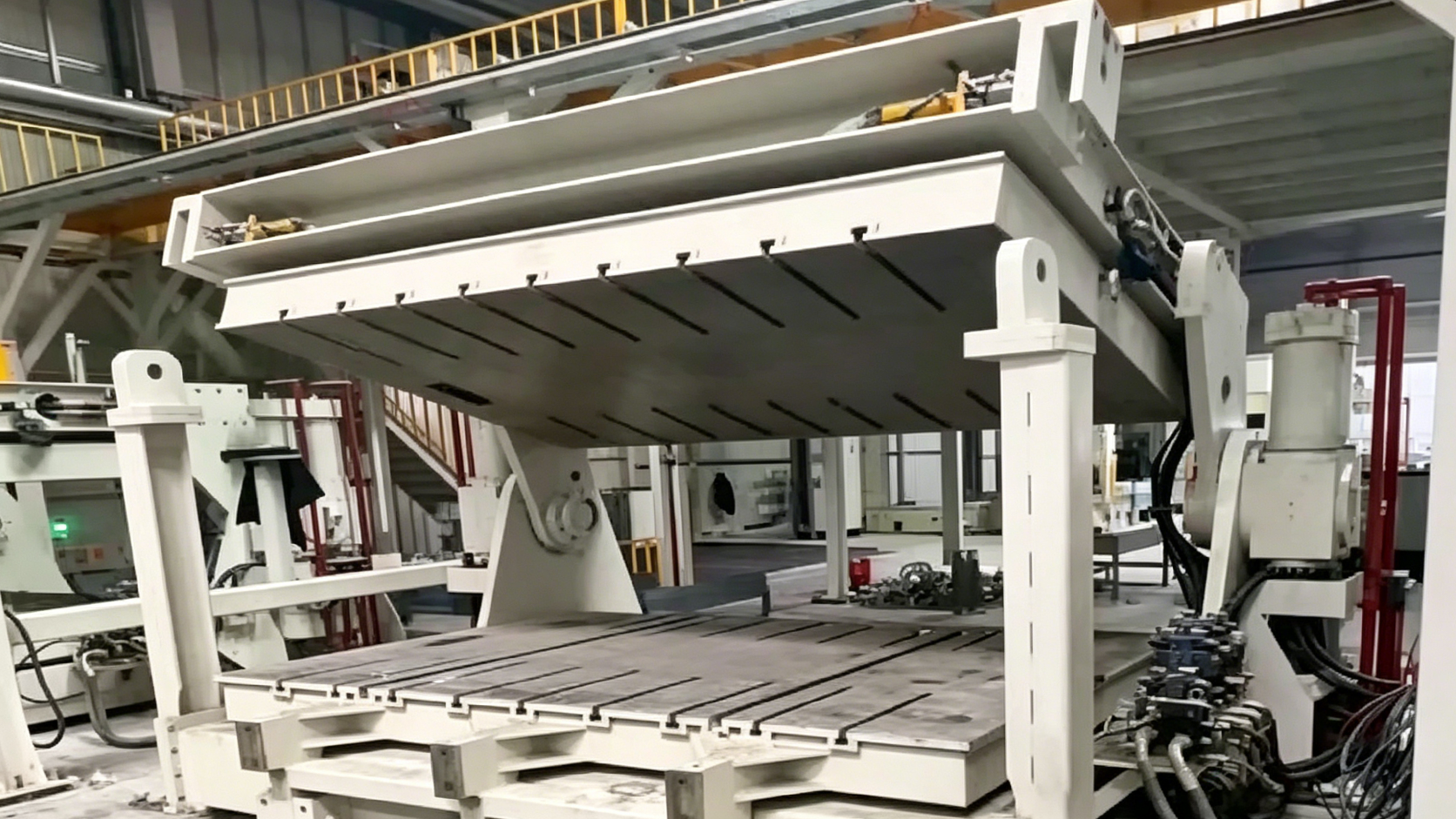
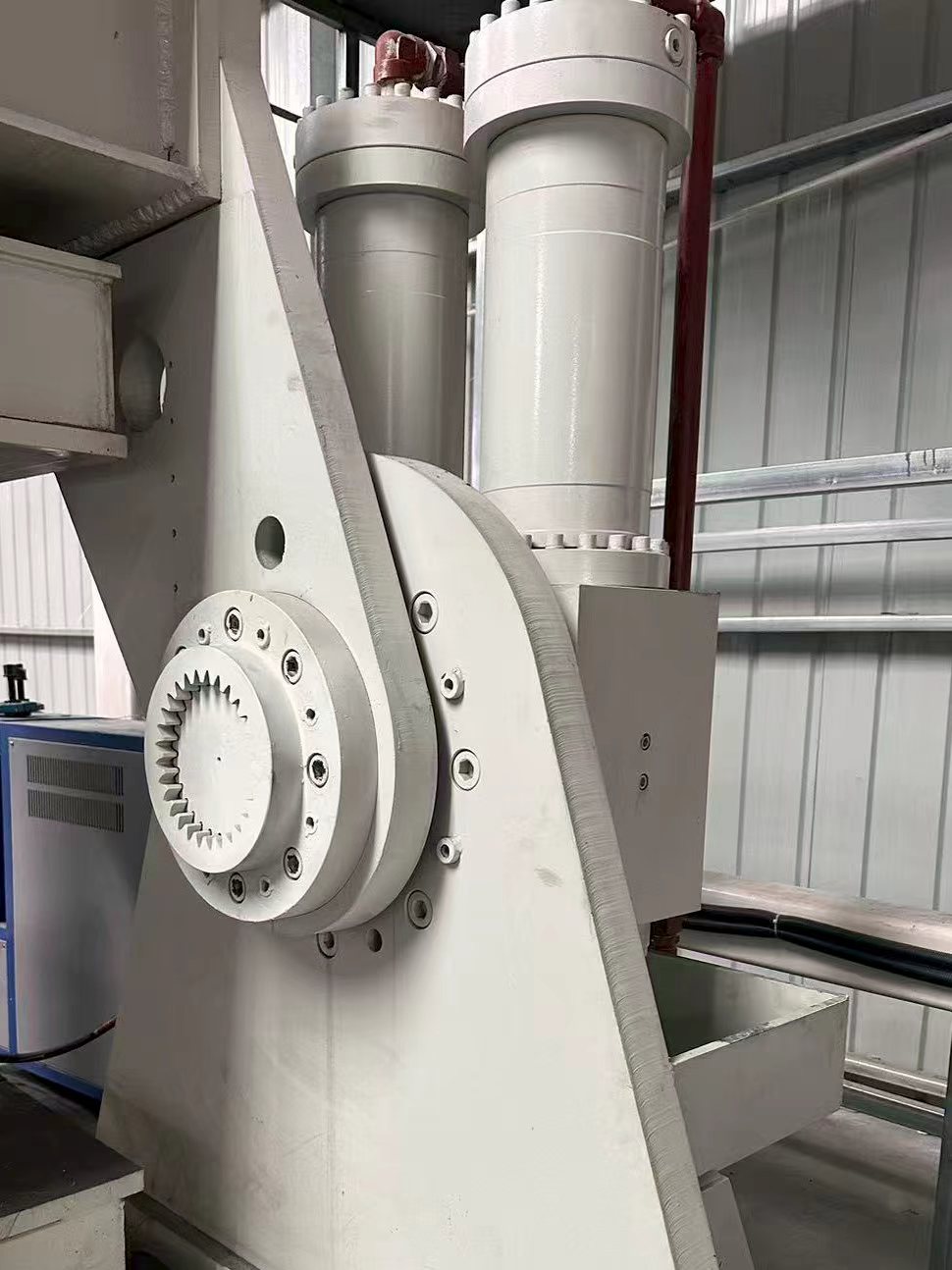
In heavy-duty industrial applications, such as metallurgical turning or large-scale valve actuation, the demand for torque can be immense. As seen in the recent project shown in the image, a rack and pinion rotary actuator designed for a 72,688 N·m output and 180° rotation is a true engineering marvel.
However, generating that much power is only half the battle. The real challenge lies in the connection structure. When you are dealing with over 70,000 Newton-meters of force, standard connections will fail. This case study explores the design essentials that make this high-torque beast a reliable industrial asset.
The Core Challenge: Managing 72,688 N·m
At this extreme torque level, several "pain points" can threaten the safety and efficiency of the machine:
-
Torque Transmission: How do you move 72,688 N·m from the actuator to the load without snapping bolts?
-
Shear Resistance: The connection must resist massive "cutting" forces that try to slide the actuator off its base.
-
Anti-Overturning: During a 180° swing, the heavy load creates a tilting force that can cause misalignment and oil leaks.
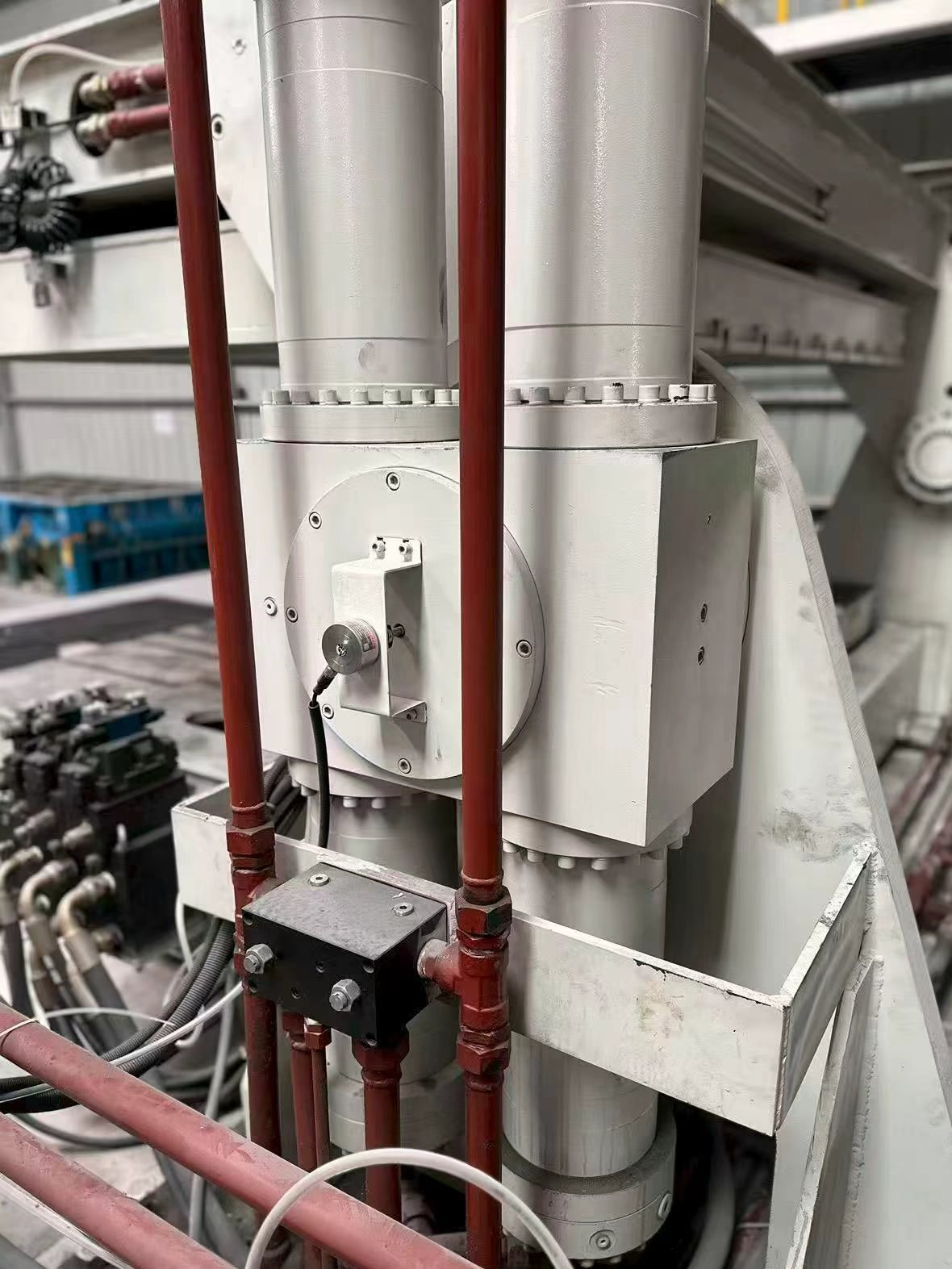
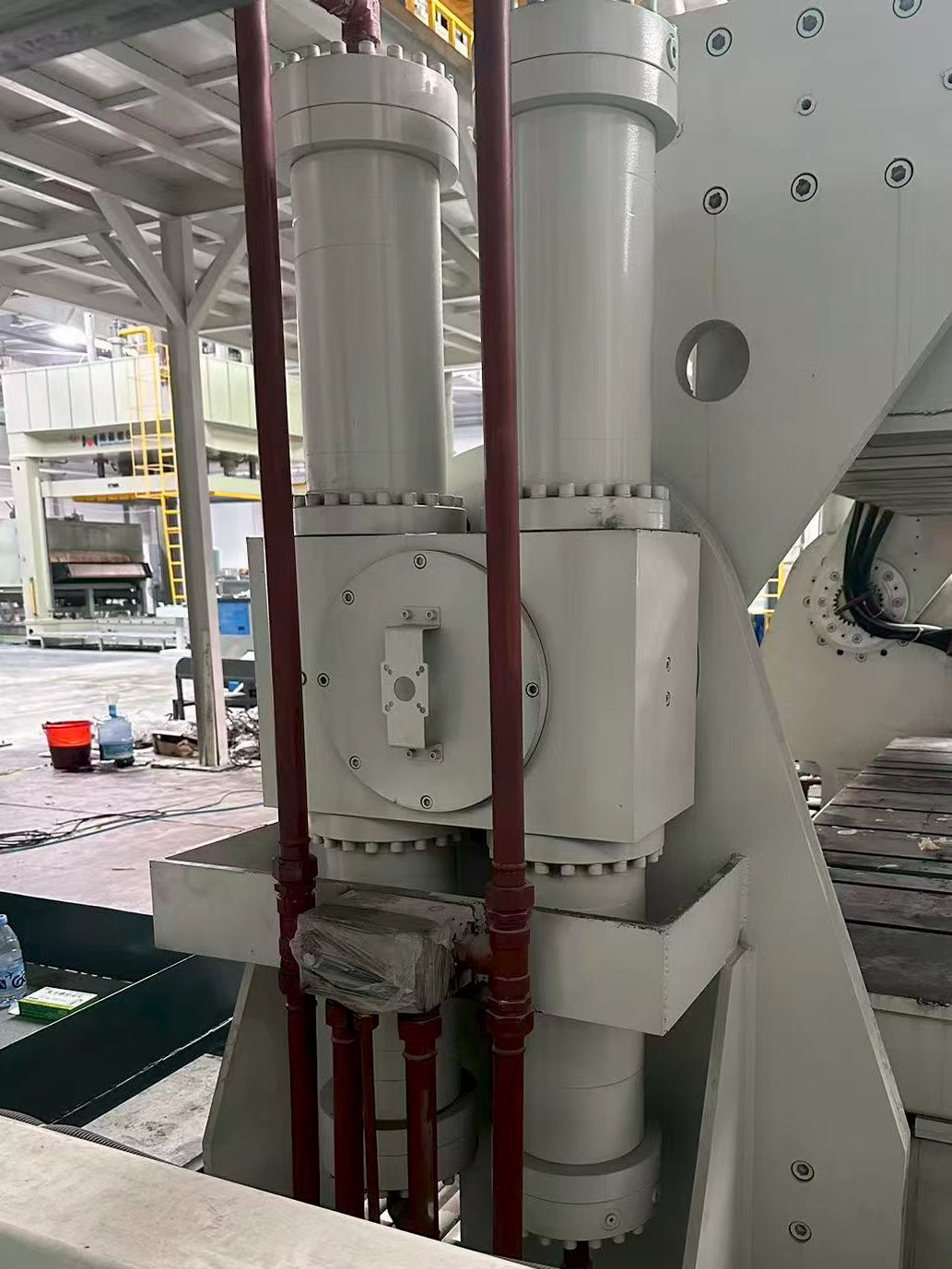
The solution to these problems is not a standard catalog part. It is an oversized flange design.
 |
 |
 |
Why an Oversized Flange is a Necessity
Standard flanges are designed for general use, but they lack the leverage needed for 70,000+ N·m. Here is why an oversized design is mandatory:
1. Increased Bolt Distribution Radius
By making the flange diameter larger than the cylinder body, we can place the mounting bolts further from the center. This increases the "lever arm," which drastically reduces the shear load on each bolt. This is the primary defense against bolt breakage.
2. Enhanced Structural Rigidity
An oversized flange is significantly thicker than a standard one. This prevents the plate from "bowing" or warping under high-pressure cycles, ensuring the gear alignment inside remains perfect during the entire 180° rotation.
3. Precision Positioning Boss
In high-torque setups, we don't rely on bolts to handle the shear force. Instead, we use a thickened and deepened positioning spigot (boss). This metal-on-metal fit handles the radial force, while the bolts simply keep the surfaces pressed together.
Shellppon Solutions: Engineering for Reliability
At Shellppon, we specialize in the "heavy lifting" of the B2B industrial world. We understand that our components are the heart of your production line.
Case Study: High-Torque Metallurgical Ladle Tilting
A client in the steel industry needed a 180° rotary actuator to tilt heavy ladles. Their previous standard units were suffering from "return clearance" issues—where the actuator would wobble slightly at the end of its swing—causing accuracy problems.
The Shellppon Intervention: We provided a custom rack and pinion rotary actuator featuring the oversized flange connection. We used 12.9 grade high-strength bolts and precision-milled the contact surfaces to ensure 100% flatness. We also integrated an internal buffering device to reduce the shock load during the 180° reversal.
The Results:
-
Zero Bolt Failures: The increased bolt circle diameter eliminated shear stress issues.
-
Zero Backlash: The rigid flange and deepened spigot kept the ladle perfectly steady during the entire pour.
-
Extended Life: The system has survived over 5,000 high-load cycles with no signs of deformation or leakage.
Technical Summary of the 180° Rotary Actuator
To ensure long-term heavy-duty performance, the following design points must be strictly followed:
-
High-Grade Fasteners: Use Grade 10.9 or 12.9 bolts arranged in a uniform circular pattern.
-
Double Insurance: Combine a heavy-duty keyway with the oversized flange for dual-path torque transmission.
-
Base Reinforcement: The machine's mounting base must be thickened to match the rigidity of the oversized flange.
Conclusion
A rack and pinion rotary actuator capable of 72,688 N·m is a powerful tool, but its strength is only as good as its connection. By choosing the oversized flange solutions from Shellppon, you ensure that every bit of that power is transmitted safely and accurately.
Visit shellpponhydraulic.com today to see how our precision engineering can solve your most demanding high-torque challenges.


