
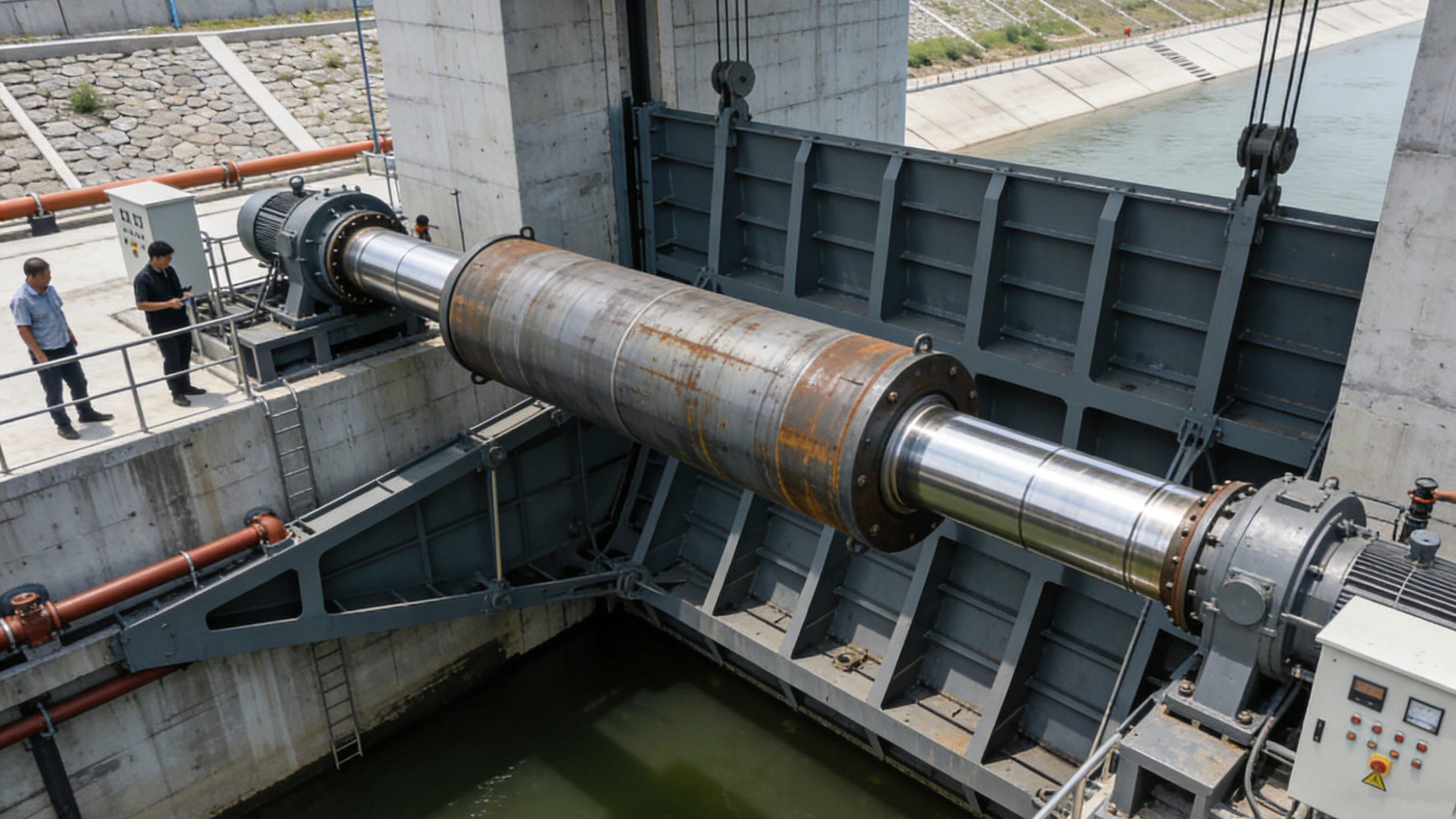
Hydraulic cylinders are core power components in construction machinery and industrial equipment. Their performance directly affects equipment efficiency, operational reliability, and service life. When a hydraulic cylinder malfunctions, correct disassembly and maintenance procedures are essential. As a professional hydraulic cylinder manufacturer, we have compiled key guidelines for B2B clients to safely and efficiently carry out engineering hydraulic cylinder disassembly and maintenance.
1. Pre-Disassembly Preparation: Leak Prevention and Clean Environment
Before disassembling a hydraulic cylinder installed on the host machine, ensure that all inlet and outlet ports are equipped with sealed gaskets and properly tightened to prevent oil leakage. Perform disassembly in a clean, dust-free environment to prevent contaminants from entering the cylinder, which could affect subsequent repair and performance.
2. Protect Components: Piston Rod Handling
During disassembly, slender parts such as the piston rod are prone to bending or deformation. Always use wooden supports or balanced stands to hold the cylinder, preventing damage to the piston rod threads, oil threads, cylinder bore, and piston rod surface. Proper handling ensures that critical components remain intact for reuse.
3. Follow the Correct Disassembly Sequence
The disassembly sequence may vary depending on the type and size of the engineering hydraulic cylinder. Generally, the recommended steps are:
-
Drain hydraulic oil from both cylinder chambers.
-
Remove the cylinder head, piston, and piston rod sequentially.
When removing cylinder heads, use specialized tools for keyways or retaining rings. Avoid using pry bars or flat tools. For flange-end caps, use a torque wrench to unscrew according to standard torque specifications, and do not use hammers to prevent component damage.
4. Avoid Forceful Operations
Do not pull out the piston or piston rod forcefully before identifying the cause of any obstruction. Forceful removal may damage seals, cylinder body, or other internal components. Always diagnose the issue first to ensure safe disassembly.
5. Inspect and Categorize Components
After disassembly, inspect all components carefully. Determine which parts are reusable, which can be repaired, and which must be replaced. This step is critical to ensuring the long-term reliability of hydraulic cylinder maintenance.
6. Cleaning and Reassembly
Before reassembling, thoroughly clean all parts to prevent contamination from affecting cylinder performance. Tighten all threaded connections with a torque wrench according to standard specifications. During piston and piston rod assembly, check coaxiality and straightness to ensure they are within tolerance. After assembly, the piston should move smoothly without uneven resistance or obstruction, ensuring stable cylinder operation.
Manufacturer Tips: Proper disassembly and reassembly procedures are essential for extending hydraulic cylinder service life and minimizing equipment downtime. B2B clients should strictly follow operational guidelines and consult professional hydraulic cylinder manufacturers for technical support to ensure their equipment runs reliably and efficiently.


