In modern automated manufacturing, machines often need to turn parts at a specific angle. While standard hydraulic cylinders move in a straight line, a mechanical gearbox or standard electric motor can sometimes be too bulky. This is where a rotary hydraulic cylinder becomes the perfect solution. Also known as a hydraulic swing actuator, this component changes fluid energy into a limited-angle twisting force.
Unlike continuous hydraulic motors, a rotary cylinder moves back and forth within a set range of degrees. Because of this clever design, it offers massive turning force in a very compact package. This guide explains how these units work, their main styles, and how to select the best option for your factory machines.
How Does a Hydraulic Swing Actuator Work?
The core operation of a rotary hydraulic cylinder is quite simple. High-pressure oil enters the chamber and pushes an internal piston linearly. Then, a mechanical mechanism inside the body immediately converts this straight movement into rotational torque at the output shaft. When you switch the oil flow direction, the shaft simply spins backward.
Engineers use three main internal designs to create this turning action:
-
Rack and Pinion: The shifting piston moves a flat row of gear teeth (the rack). This rack meshes directly with a circular gear (the pinion) to turn the main shaft. It provides the highest torque and can spin up to a full 360 degrees.
-
Helical Spline: The piston rod has tiny guide pins that slide along curved spiral grooves inside the housing. As the piston pushes forward, the grooves force the rod to twist. This style is incredibly precise and is most popular for 90-degree movements.
-
Vane Style: High-pressure oil presses directly against a flat internal paddle (or vane), forcing it to swing around a central hub. It has fewer moving parts and reacts very fast, but it cannot handle ultra-high pressures.
Main Types of Rotary Cylinders Found in Factories
Depending on your installation space and the weight of your machine parts, you will generally choose from these four commercial styles:
Vane Type Actuators
These units usually offer a turning range of 270 degrees or less. They are small, lightweight, and react very quickly. You will mostly find them on automatic sorting lines, small packaging machines, and light assembly fixtures.
Rack and Pinion Rotary Actuators
This style can easily handle a full 360-degree rotation. They are the undisputed choice for heavy industrial work because they can handle massive operating pressures and heavy external shocks.
Helical Spline Cylinders
These are standard 90-degree turning units. They have zero gear play (backlash) and offer perfect positioning accuracy. This makes them ideal for CNC machine tool clamps and high-end robotic arms.
Hollow Rotary Cylinders
These specialized units feature a large open hole running straight through the center of the turning shaft. Machine builders install them on automatic lathes because the hollow core allows long raw steel bars to feed directly into the cutting chuck.
Four Main Benefits for B2B Manufacturing Lines
Why do industrial engineers specify a heavy duty hydraulic rotating cylinder over other mechanical links? The answer comes down to four strong design advantages:
-
High Torque Density: They generate thousands of Newton-meters of force inside a tiny steel housing, making them perfect for tight spaces.
-
Zero Backlash Precision: They connect directly to the load, eliminating loose mechanical joints and ensuring perfect repeat accuracy.
-
Excellent Structural Rigidity: The fully sealed steel body protects internal gears from flying factory dust, high moisture, and heavy physical hits.
-
Reliable Position Locking: By maintaining fluid pressure in the lines, the cylinder can hold a heavy load suspended at an exact angle for hours without drifting.
Common Industrial Application Scenarios
You can spot these versatile rotating components working across almost every major heavy industry:
-
Tooling Fixtures: Flipping and clamping car parts 90 degrees out of the way on automated welding lines.
-
Construction Equipment: Controlling the rapid bucket tilt on heavy excavators or spinning log-grapple attachments.
-
CNC Machine Tools: Driving automated chuck jaws, indexing rotary work tables, and tilting tool storage magazines.
-
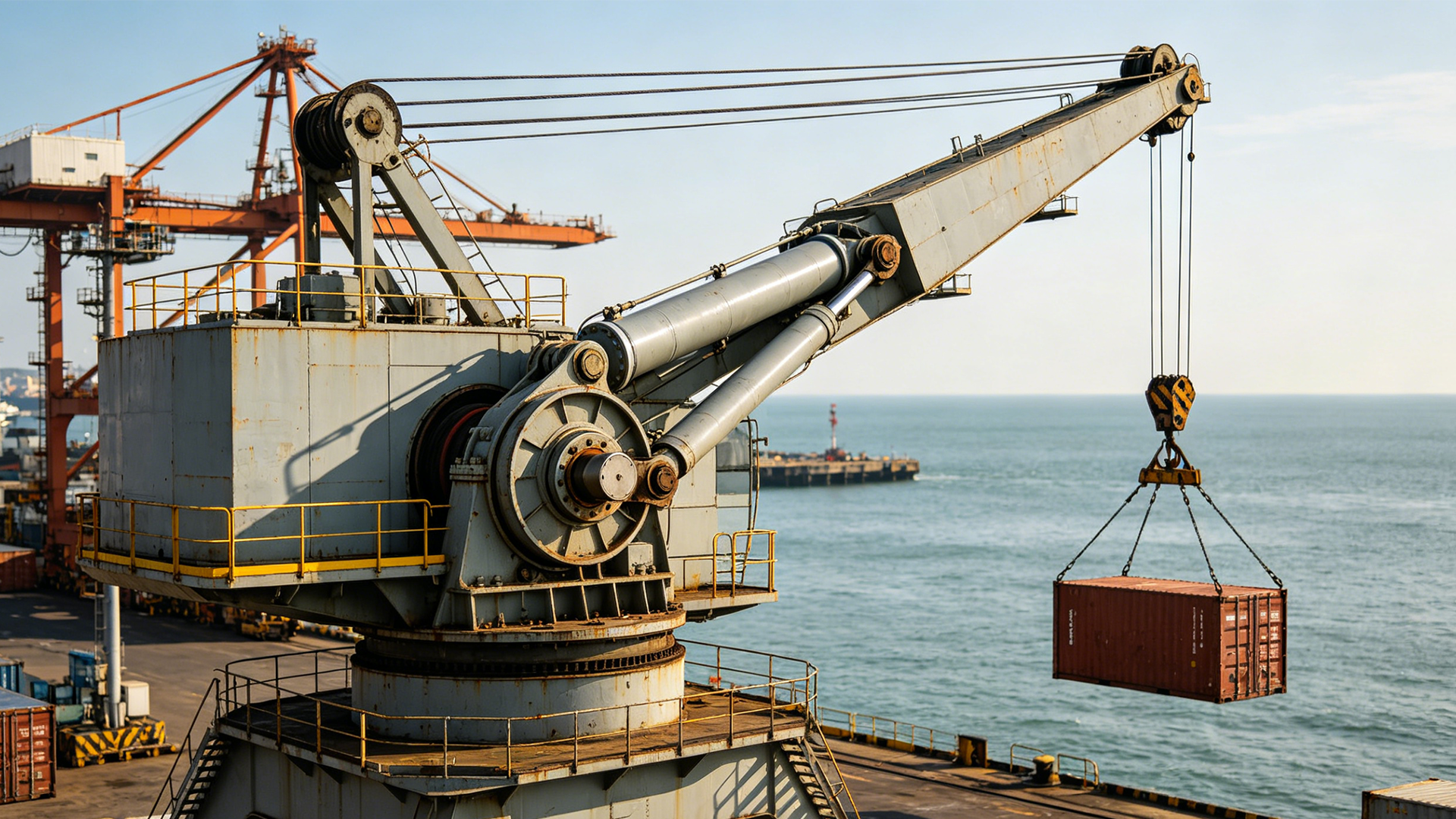
Marine and Ships: Operating giant deck cranes, heavy steering rudders, and high-pressure underwater valve systems.
Shellppon Solutions: Precision Indexing for Automation
At Shellppon, we manufacture reliable rack and pinion rotary cylinder assemblies for high-speed automated production lines. We understand that precision alignment is the key to preventing tool breakage.
Case Study: Automotive Welding Line Upgrade
A Tier-1 automotive parts supplier was facing frequent calibration errors on their robotic welding jig. The old electric rotating table kept slipping out of alignment due to the heavy weight of the steel chassis frames, leading to poor weld quality.
The Shellppon Intervention: We re-engineered the cell using a custom heavy-duty hydraulic swing actuator featuring a zero-backlash helical spline design. We utilized premium #45 forged steel for the outer housing and equipped the internal chamber with high-end imported seals to guarantee steady pressure holding.
The Results:
-
Perfect Repeat Accuracy: The hydraulic unit held the heavy car chassis completely steady without a millimeter of drift.
-
Resisted Welding Spatter: The fully sealed steel body kept hot metal sparks and dust completely away from the internal moving parts.
-
Zero Maintenance Downtime: The production line achieved continuous three-shift operation, helping the plant hit its monthly delivery goals easily.
Core Technical Sourcing Parameters
Before you place an order with a component supplier, make sure your engineering team compiles these four essential metrics:
-
Pressure Rating: Most heavy industrial setups require a rated pressure between 21 MPa and 31.5 MPa.
-
Exact Turning Angle: Common standard options are 90°, 180°, 270°, or 360°.
-
Torque Output: Calculate the total weight and inertia of your machine load to find the required Newton-meters (N·m).
-
Mounting Requirements: Choose whether your frame layout needs an upper flange, a lower flange, or a simple block mount.
Conclusion
A high-performance rotary hydraulic cylinder is a fantastic tool for converting raw fluid power into precise, high-torque angular rotation. By replacing fragile external linkages with a compact, sealed swing actuator, you reduce machine footprint and eliminate costly maintenance breakdowns.
If you are developing a new automated fixture or upgrading a piece of heavy port machinery, Wuxi Shibang Machinery is ready to help. Visit shellpponhydraulic.com today to connect with our fluid power experts and secure a rugged rotating solution engineered for your success.


Copyright © 2026 无锡市世邦机械制造有限公司 Ltd. All Rights Reserved. POWERED BY WEIMOBTRADE
