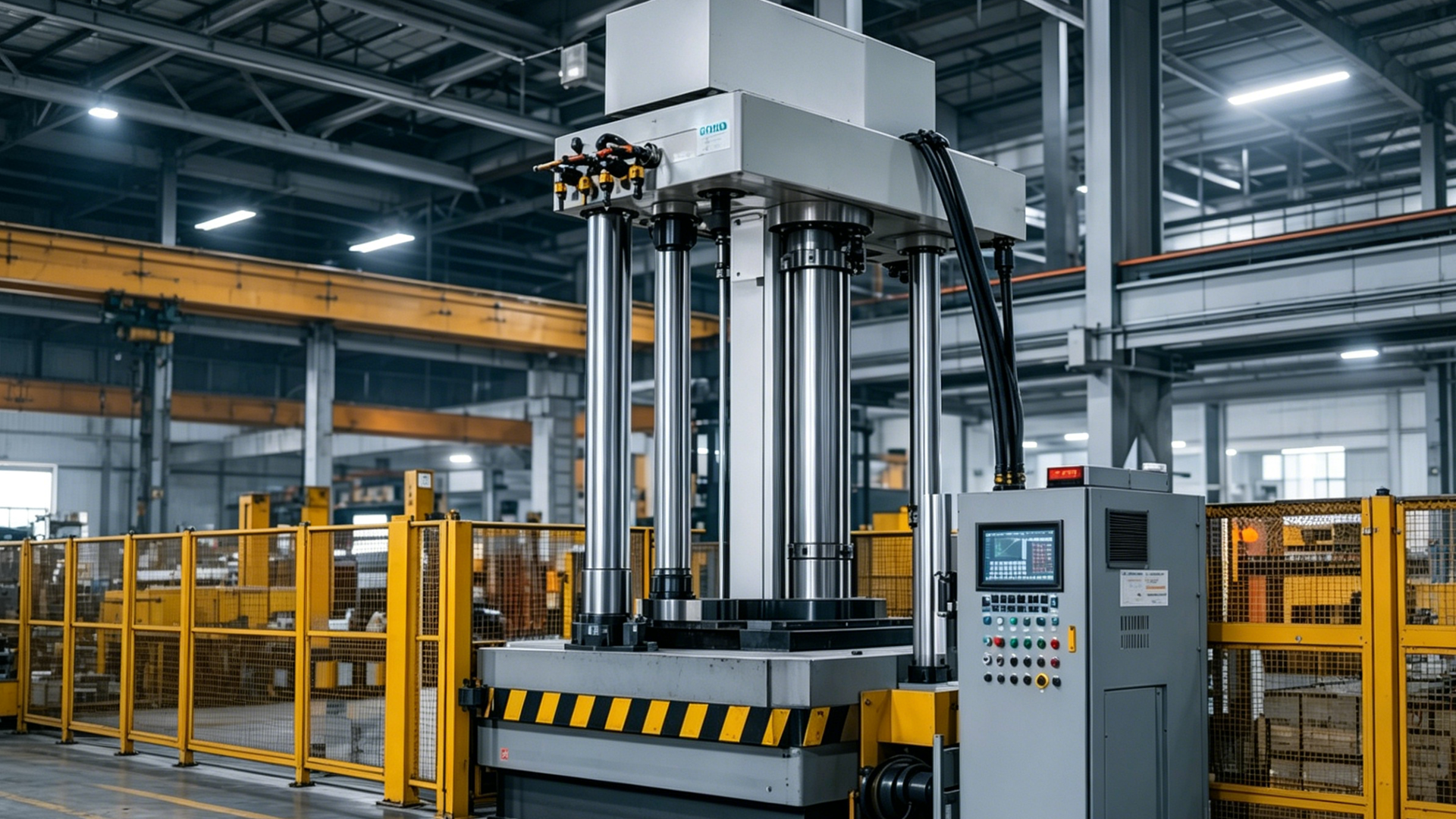
Hydraulic cylinders are critical components of heavy machinery in industries such as steel production, mining, construction, marine engineering, and manufacturing. They operate under high pressure daily, so regular maintenance and timely repairs are necessary to ensure safe and efficient operations.
When a hydraulic cylinder fails, downtime can be costly. Oil leaks, bent rods, worn seals, and damaged pistons can halt an entire production line. That is why having the right hydraulic cylinder repair tools is extremely important.
Professional repair work does not only rely on experience. It also depends on using the correct hydraulic cylinder tools and hydraulic repair equipment. Proper tools enhance repair quality, reduce downtime, and help extend the service life of cylinders.
In this guide, we will explain the most important hydraulic cylinder repair tools, how they are used, and how Shellppon provides comprehensive hydraulic repair solutions for demanding industries.
Hydraulic Cylinder Tools: Why the Right Tools Matter
Hydraulic cylinders are precision-engineered products. Repairing them without proper tools can cause more damage than the original issue.
For example, using the wrong wrench may damage the gland nut. Poor seal installation can lead to leakage. Incorrect rod handling might scratch the chrome surface and shorten its service life.
Professional hydraulic cylinder tools help technicians:
- Improve repair speed
- Prevent installation errors
- Protect expensive components
- Reduce labor costs
- Enhance maintenance safety
This is particularly crucial for large industrial cylinders such as AGC hydraulic cylinders used in rolling mills, where repair precision directly impacts production quality.
Hydraulic Cylinder Repair Tools for Disassembly
The first step in cylinder maintenance is safe and correct disassembly. This requires robust and reliable tools.
Gland Nut Wrenches
Gland nuts secure the rod assembly inside the cylinder barrel. They are often very tight due to high-pressure operation.
Special gland nut wrenches are designed to remove them safely without damaging the surface.
These tools help:
- Prevent thread damage
- Reduce repair time
- Improve technician safety
For large cylinders, hydraulic-powered gland nut tools are often required.
Cylinder Pullers
Cylinder pullers are used to remove the piston rod assembly from the barrel.
Without proper pullers, technicians may damage the rod, piston, or seals during removal.
This tool is especially useful for:
- Large bore cylinders
- Heavy industrial cylinders
- Long-stroke hydraulic cylinders
Lifting Equipment
Large hydraulic cylinders are heavy and difficult to handle manually.
Repair workshops often use:
- Overhead cranes
- Chain hoists
- Hydraulic lifting tables
These tools improve both safety and efficiency during disassembly and reassembly.
Hyd Cylinder Tools for Inspection and Diagnosis
After disassembly, inspection is the next important step. Accurate diagnosis prevents repeated failures.
Bore Gauges
Bore gauges measure the inside diameter of the cylinder barrel.
They help identify:
- Internal wear
- Ovality
- Surface damage
- Tolerance issues
A damaged barrel can quickly ruin new seals, so proper measurement is essential.
Micrometers and Calipers
Micrometers and calipers are used to measure:
- Rod diameter
- Piston size
- Seal groove dimensions
- Bearing clearances
Even small measurement errors can lead to poor sealing and performance loss.
Surface Roughness Testers
Rod and barrel surfaces must remain smooth for seals to function correctly.
Surface testers help technicians determine if polishing or re-chroming is needed.
This is very important in high-pressure systems where seal life depends on surface finish.
Hyd Cylinder Repair Tools for Seal Replacement
Seal replacement is one of the most common hydraulic repairs.
However, incorrect installation is also one of the main causes of early failure.
Seal Installation Tools
Seal installation tools help place seals into grooves without twisting, cutting, or overstretching them.
These tools protect:
- Rod seals
- Piston seals
- Wiper seals
- O-rings
- Backup rings
Using simple screwdrivers instead of professional tools often causes hidden seal damage.
Seal Sizing Tools
Correct seal size is critical. Seal sizing tools help technicians confirm the right dimensions before installation.
This reduces:
- Leakage risk
- Pressure loss
- Repeat maintenance
Shellppon often recommends full seal kits matched to exact cylinder specifications for better long-term reliability.
Hydraulic Repair Tools for Rod and Surface Repair
Piston rods are exposed to dust, water, impact, and corrosion. Surface damage is common in heavy industries.
Rod Polishers
Small scratches on rods can damage seals quickly.
Rod polishing tools help restore smooth surfaces and improve sealing performance.
Minor damage can often be repaired without full rod replacement.
Chrome Repair Equipment
For deeper damage, re-chroming may be necessary.
Professional hydraulic repair equipment for chrome restoration improves:
- Corrosion resistance
- Wear resistance
- Seal performance
This is common in marine hydraulic cylinders and steel mill applications.
Hydraulic Repair Equipment for Pressure Testing
After repair, testing is necessary before the cylinder returns to service.
Hydraulic Test Benches
Hydraulic test benches check whether the repaired cylinder can safely handle working pressure.
They test:
- Internal leakage
- External leakage
- Pressure holding
- Stroke performance
- Load capacity
Share to:
Complete Guide to Hydraulic Seals, Rod Seals, and Hydraulic Cylinder Piston Seals
Hydraulic Cylinder Components: Complete Guide to Hydraulic Cylinder Parts, Seals, Repair, and Rebuild Kits