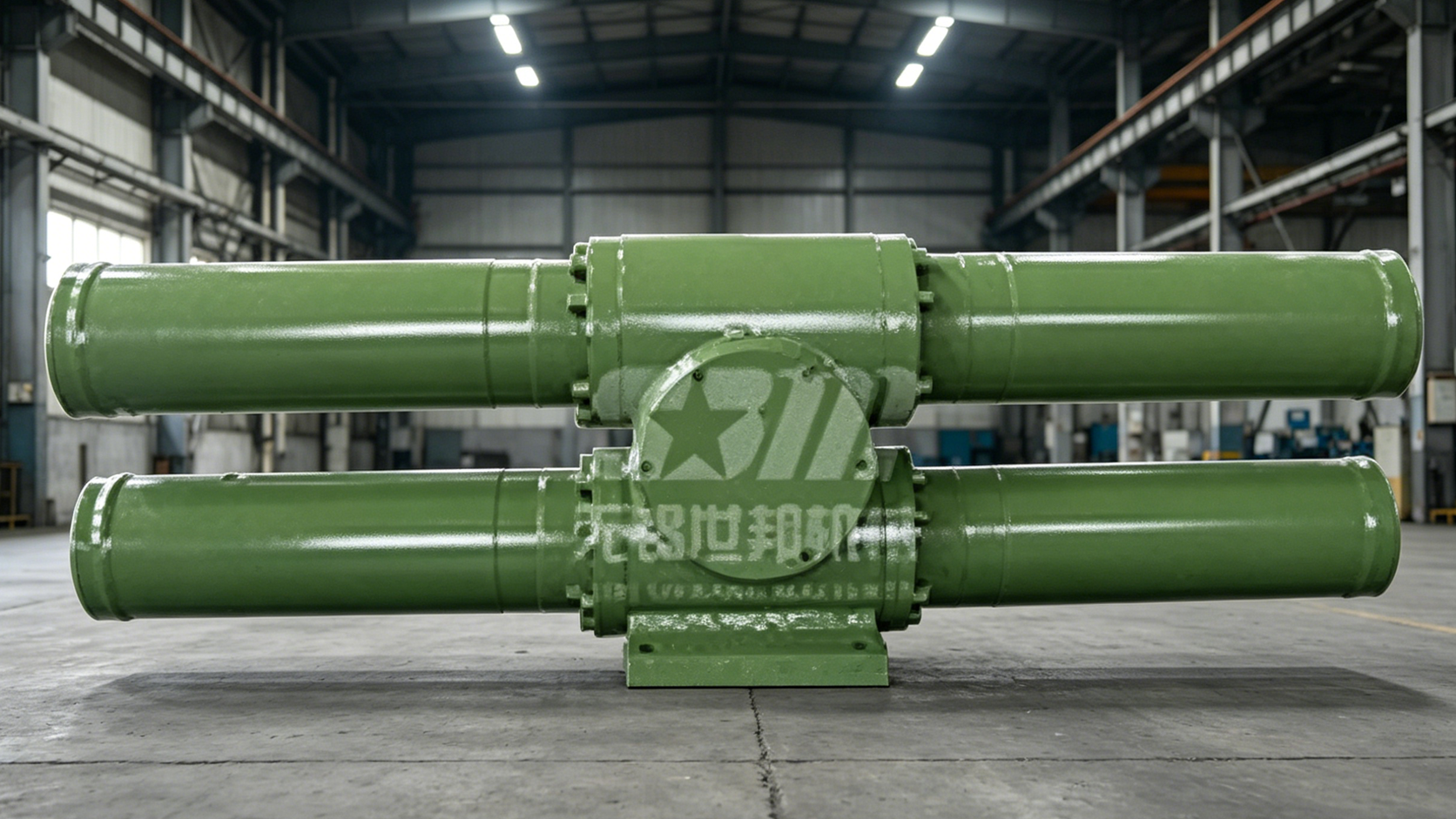
In the world of industrial machinery, the hydraulic pump station serves as the vital "power plant" for your equipment. Whether you are managing a warehouse or a manufacturing line, understanding how this system works is essential for broadening your technical knowledge and ensuring operational success.
To get the most out of your investment, you must treat every aspect of the pump station with care. In this guide, we will explore the critical requirements for suction flow and the practical steps to build a high-performance lift platform.
The Balance Between Purchasing and Usage
When dealing with a hydraulic pump station, a common question is whether the initial purchase or the daily usage is more important. The reality is that there is no comparison between the two—they are equally vital.
-
Product Selection: Choosing the right specifications ensures the station matches your work load.
-
Proper Usage: Correct operation prevents premature wear and keeps the system safe.
Focusing on one while ignoring the other is counterproductive. To achieve long-term reliability, both stages must be handled with the same level of professional attention.
How to Build a Lift Platform Using a Pump Station
Transforming a hydraulic pump station into a functional lift platform involves clear technical steps. By using the right executive components, you can achieve smooth vertical movement.
1. Identify the Execution Devices
To build the platform, you must use electromagnetic valves and hydraulic cylinders. The cylinder (often referred to as a press cylinder) acts as the main actuator that physically moves the load.
2. Control the Movement Direction
A switch is used to operate the electromagnetic valve. This valve then dictates the direction of oil flow into the hydraulic cylinder. By controlling this flow, you can precisely manage the lifting and lowering motion of the platform. For complex setups, drawing a professional circuit diagram is highly recommended to avoid installation errors.
The Importance of Suction Port Flow Velocity
In a hydraulic pump station, the flow velocity at the suction port is a critical value that must be set correctly. If the suction flow is not suitable, it can lead to severe consequences for the entire system.
-
Efficiency: Proper velocity ensures the pump is always adequately fed with oil.
-
Preventing Damage: Incorrect values can cause cavitation or noise, leading to pump failure and poor lifting performance.
Maintaining the correct suction port velocity is the only way to guarantee the normal operation and long-term effectiveness of your hydraulic machinery.
Shellppon Case Study: Precision Lifting Solutions
At Shellppon, we help global clients overcome complex engineering challenges by matching the right pump station to high-quality cylinders.
Case Study: High-Stability Industrial Lift
A manufacturing client needed to build a custom lift platform but struggled with "shaking" during the descent phase. Their original pump station was not correctly synchronized with the control valves.
The Shellppon Solution: We provided a high-pressure press cylinder paired with a precision-tuned hydraulic pump station. We specifically calculated the suction port flow velocity to ensure consistent oil delivery. Furthermore, we designed a custom circuit diagram using a high-response electromagnetic valve for better directional control.
The Results:
-
Smooth Motion: The shaking issue was completely eliminated.
-
Operational Stability: The system has maintained peak performance for over two years with minimal maintenance.
-
Safety: The clear wiring and valve setup ensured a safe working environment for the factory staff.
Conclusion
A hydraulic pump station is a sophisticated piece of equipment that requires a deep understanding of its components and flow requirements. By paying close attention to suction flow velocity and using professional-grade valves and cylinders, you can build a lift platform that is both powerful and reliable.
If you are looking for expert advice or high-performance hydraulic components, visit shellpponhydraulic.com today. Let our experts help you design a system that maximizes your productivity and safety.


