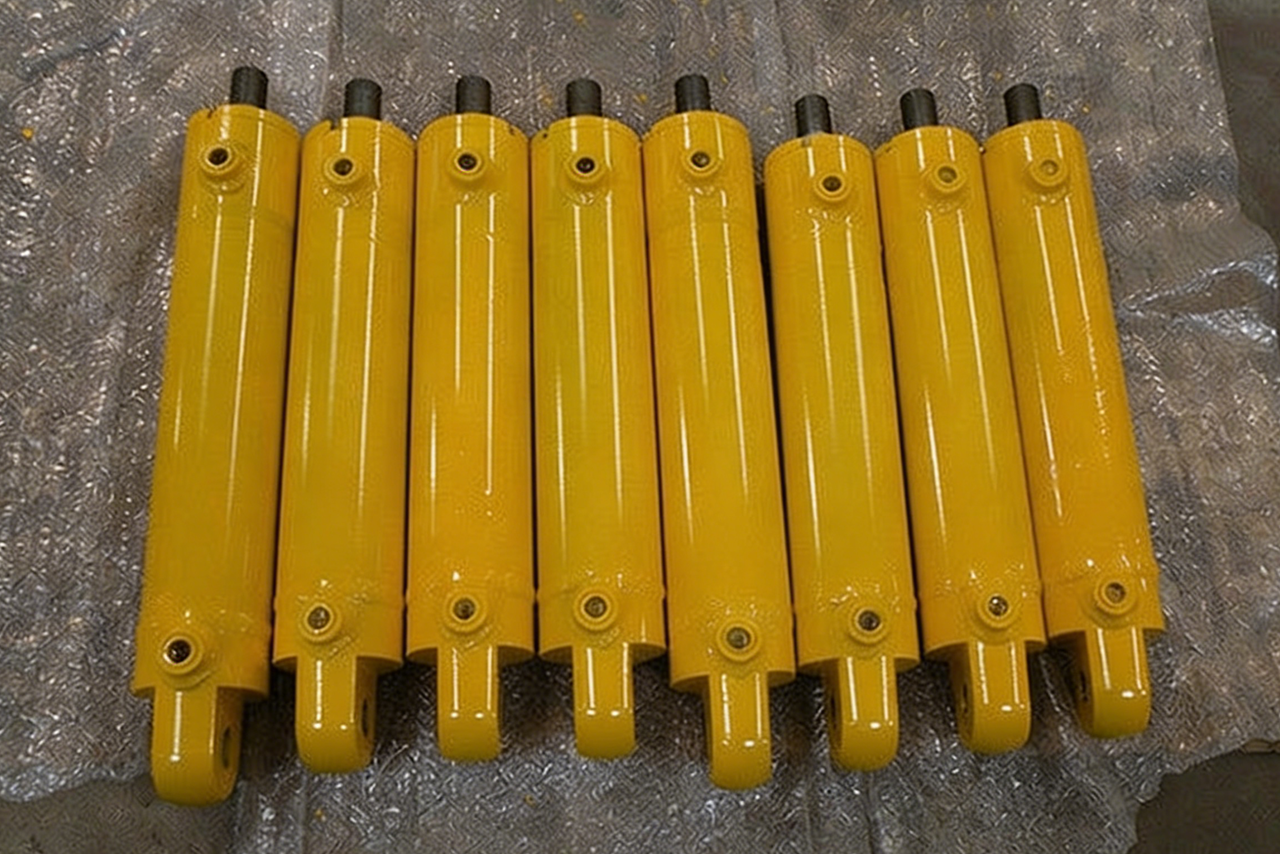
The hydraulic cylinder manufacturing industry is witnessing a significant technological advancement in bore finishing processes. Roller burnishing has emerged as a superior alternative to traditional grinding methods, offering substantial improvements in surface quality, production efficiency, and component longevity. This comprehensive analysis explores the technical advantages of roller burnishing technology and its implications for manufacturers seeking to enhance their competitive position in the market.
Understanding the Critical Role of Hydraulic Cylinders in Mining Operations
The Essential Function of Hydraulic Cylinders in High-Pressure Environments
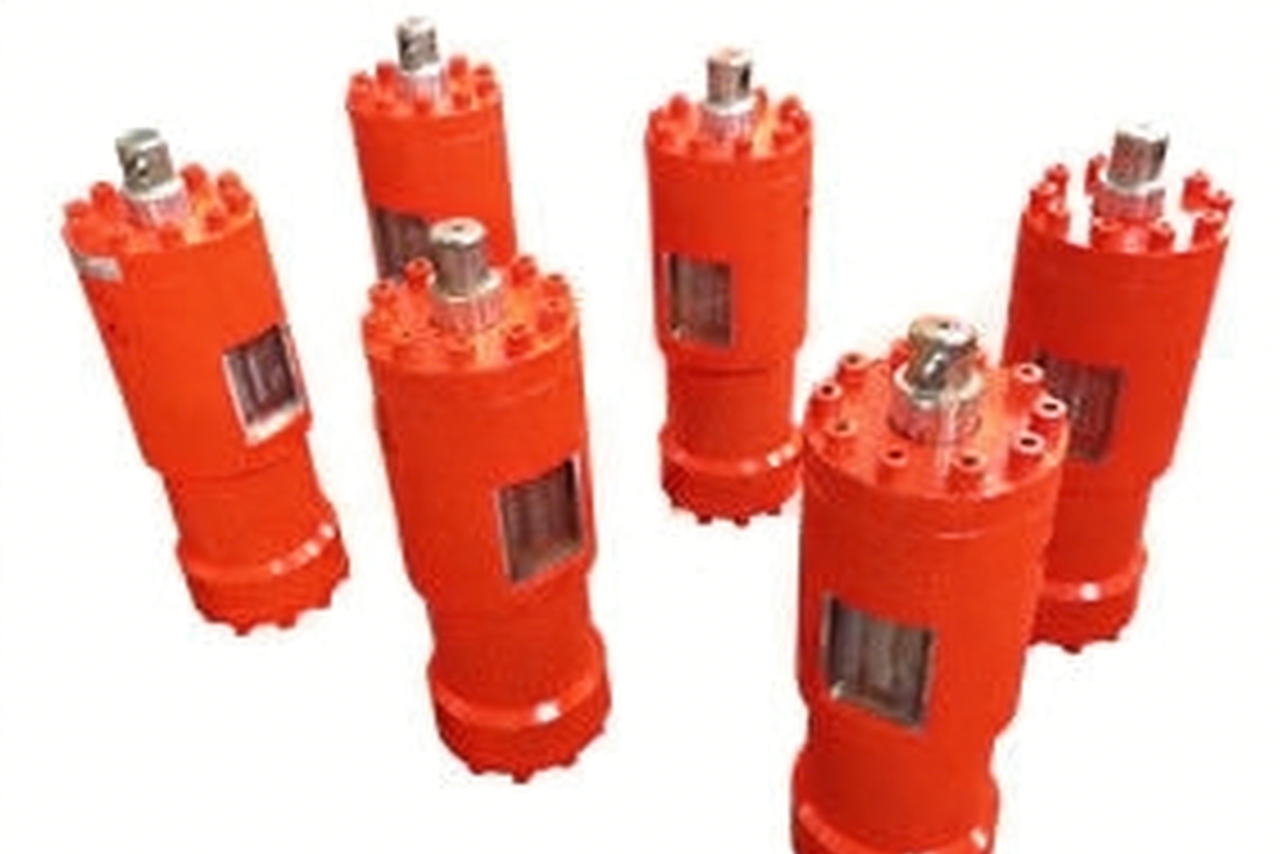
Hydraulic cylinders serve as the backbone of critical machinery in mining and mineral processing operations, particularly in high-pressure roller press systems. These sophisticated mechanical assemblies must withstand extreme operating conditions while maintaining precise control over heavy equipment movements.
In the context of roller press applications, hydraulic cylinders continuously perform micro-adjustments to accommodate varying material feed sizes. When processing ore with inconsistent particle sizes, the cylinders must dynamically respond to resistance changes while maintaining consistent pressure through accumulator systems. This demanding operational environment places tremendous stress on cylinder components, making manufacturing quality absolutely paramount.
Technical Requirements for Cylinder Barrel Manufacturing
The cylinder barrel represents one of the most critical components in any hydraulic cylinder assembly. As the primary structural element housing the piston and sealing system, its manufacturing specifications are exceptionally demanding. Industry standards require inner surface roughness values between Ra0.4 and 0.8 micrometers, along with strict tolerances for concentricity and wear resistance.
These stringent requirements exist because even microscopic surface imperfections can compromise seal performance, accelerate wear rates, and ultimately lead to system failures. The consequences of such failures extend beyond component replacement costs to include production downtime, safety risks, and potential environmental hazards.
Traditional vs. Advanced Manufacturing: A Comparative Analysis
The Conventional Approach: Grinding-Based Finishing
Traditional cylinder barrel manufacturing has relied on a three-stage process: rough boring, finish boring, and precision grinding. While this methodology has served the industry for decades, it presents several inherent limitations that become increasingly problematic in modern high-volume production environments.
Grinding operations generate significant heat at the tool-workpiece interface, risking thermal damage to the machined surface. The process also tends to create tensile residual stresses in the surface layer, which can promote crack initiation under cyclic loading conditions. Additionally, grinding consumables represent substantial ongoing costs, and achieving consistent results across production batches requires extensive operator expertise.
The Advanced Solution: Roller Burnishing Technology
Modern roller burnishing technology offers a fundamentally different approach to surface finishing. The process replaces traditional grinding with a plastic deformation method that cold-works the surface layer, creating beneficial compressive residual stresses while achieving exceptional surface finishes.
The roller burnishing workflow consists of three stages: rough boring, finish boring, and roller burnishing. By eliminating grinding entirely, manufacturers can achieve superior results while simultaneously reducing production costs and environmental impact.
Quantifiable Performance Improvements
Surface Roughness Enhancement
One of the most significant advantages of roller burnishing lies in its ability to achieve exceptional surface finishes consistently. Testing demonstrates that properly burnished cylinder barrels exhibit roughness values of Ra0.4 to 0.8 micrometers, representing a dramatic improvement from pre-burnish values of Ra3.2 to 6.3 micrometers.
This surface quality improvement directly translates to enhanced sealing performance, reduced friction losses, and extended service life for the entire hydraulic system.
Surface Hardness and Fatigue Strength Improvements
Beyond geometric surface quality, roller burnishing fundamentally alters the metallurgical properties of the machined surface. The cold working action increases surface hardness by approximately 30%, creating a more wear-resistant outer layer.
Equally important, the process enhances fatigue strength by approximately 25%. This improvement results from the beneficial compressive residual stresses introduced during the plastic deformation process, which effectively counteract tensile stresses encountered during operation.
Dramatic Efficiency Gains
Production efficiency represents another area where roller burnishing demonstrates clear advantages over traditional grinding. Comparative studies indicate that boring-burnishing workflows achieve approximately three times the throughput of boring-grinding processes.
These efficiency gains stem from several factors: faster cycle times, reduced tool changeover requirements, elimination of wheel dressing operations, and decreased need for in-process inspection. For manufacturers facing increasing price pressure, these productivity improvements can mean the difference between profit and loss.
Component Longevity Benefits
When evaluating manufacturing processes, total cost of ownership must consider component service life. Analysis indicates that cylinder barrels finished using roller burnishing exhibit service lives two to three times longer than those finished with grinding methods.
This longevity improvement results from the combination of superior surface quality, enhanced hardness, beneficial residual stress states, and the elimination of heat-affected zones. The practical implication is fewer replacements, reduced maintenance requirements, and improved system reliability.
Technical Advantages of Roller Burnishing
Beneficial Residual Stress States
Traditional grinding introduces tensile residual stresses in machined surfaces, creating conditions favorable for crack initiation and propagation. Roller burnishing reverses this situation by introducing compressive residual stresses that actively resist crack formation and growth.
These compressive stresses also help surface micro-cracks, preventing the ingress of corrosive media and extending component service life in challenging environments.
Cold Work Hardening Effects
The plastic deformation occurring during burnishing creates a surface layer with increased hardness and strength. This cold-worked layer provides excellent resistance to abrasive wear, reducing the rate of surface degradation during extended service.
Additionally, the work-hardened surface demonstrates improved resistance to adhesive wear mechanisms, further contributing to extended component life.
Elimination of Heat-Affected Zones
Grinding generates substantial heat that can cause metallurgical changes in sensitive materials, including re-hardening, over-tempering, and residual stress redistribution. Roller burnishing operates at much lower temperatures, preserving the intended metallurgical structure of the base material.
This thermal advantage becomes particularly important when processing heat-treated steels or specialty alloys designed for specific mechanical properties.
Improved Corrosion Resistance
The combination of beneficial residual stresses and work-hardened surfaces creates conditions that actively resist corrosion mechanisms. Compressive stresses inhibit crack propagation, while the hardened surface layer provides a more stable substrate for protective coatings.
Field experience confirms that burnished components demonstrate superior corrosion performance compared to ground components in identical service conditions.
Implementation Considerations for Manufacturers
Process Integration and Equipment Requirements
Transitioning from grinding to burnishing requires careful planning and appropriate equipment investment. Manufacturers must evaluate their existing machine tool capabilities and determine whether additional equipment purchases are necessary.
Modern CNC machining centers can often accommodate burnishing operations with minimal modification, as the process requires only modest spindle power and rigid chucking conditions. However, proper tooling selection remains critical to achieving optimal results.
Quality Control and Process Monitoring
Establishing effective quality control procedures is essential for successful burnishing implementation. While burnishing generally produces more consistent results than grinding, appropriate in-process monitoring and final inspection procedures remain necessary.
Key quality parameters to monitor include surface roughness, surface hardness, residual stress levels, and dimensional accuracy. Statistical process control techniques help ensure consistent quality across production batches.
Operator Training and Skill Development
Although roller burnishing is generally easier to master than precision grinding, proper operator training remains important. Key skills include correct tooling setup, appropriate parameter selection, and recognition of abnormal conditions that might indicate process problems.
Investing in comprehensive training programs helps maximize the benefits of the new technology while minimizing the learning curve for production personnel.
Industry Trends and Future Outlook
Integration with Digital Manufacturing Technologies
The future of cylinder barrel manufacturing lies in the integration of burnishing technology with digital manufacturing systems. Smart process monitoring, adaptive parameter control, and automated quality verification represent key development areas.
Manufacturers who embrace these digital capabilities will gain competitive advantages through improved consistency, reduced scrap rates, and enhanced documentation for quality assurance purposes.
Sustainability and Environmental Considerations
As manufacturing industries face increasing pressure to reduce environmental impact, roller burnishing offers significant sustainability advantages. The process generates no grinding swarf, requires no cooling fluids, and consumes less energy per finished part.
These environmental benefits align with broader industry trends toward sustainable manufacturing practices and can help companies meet increasingly stringent regulatory requirements.
Market Demand and Competitive Dynamics
Growing awareness of roller burnishing advantages is driving increased adoption across the hydraulic cylinder manufacturing sector. As more manufacturers implement the technology, market expectations for component quality continue to rise.
Companies that fail to adopt advanced manufacturing techniques risk losing competitive position to more progressive competitors. Conversely, early adopters can leverage their technological advantages to capture market share and command premium pricing.
Conclusion
Roller burnishing technology represents a significant advancement in hydraulic cylinder barrel manufacturing, offering compelling advantages over traditional grinding methods. The demonstrated improvements in surface quality, hardness, fatigue strength, production efficiency, and component longevity make this technology increasingly attractive for manufacturers seeking competitive advantages.
For companies currently using grinding-based finishing processes, transitioning to roller burnishing requires careful planning and appropriate investment. However, the substantial benefits achieved—combined with growing market expectations for quality—suggest that this transition represents a sound strategic decision for most manufacturers.
The continued development of burnishing technology, particularly in combination with digital manufacturing systems, positions this finishing method to remain at the forefront of precision machining for the foreseeable future.


