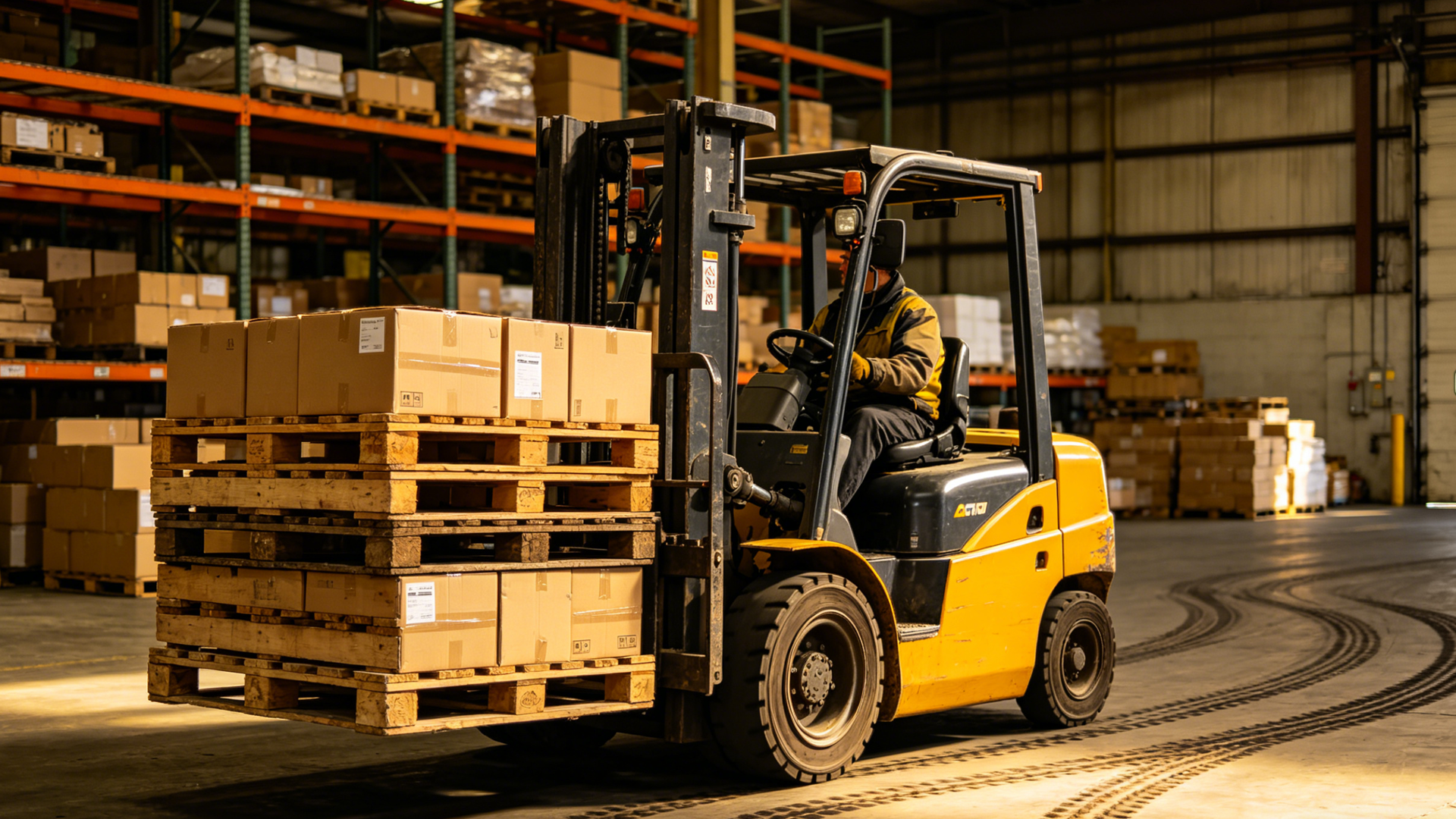
In the material handling world, the forklift hydraulic cylinder is often called the "heart" of the machine. Just like a human heart, if it fails, the entire system stops. Because these cylinders handle heavy loads and constant movement, choosing the right one and maintaining it carefully is a top priority for any business.
Whether you are managing a warehouse or a construction site, understanding how to protect this vital component can save you from expensive repairs and dangerous accidents. In this guide, we will look at what makes a cylinder "forklift-ready" and how to keep it running for years.
How to Choose the Right Forklift Hydraulic Cylinder
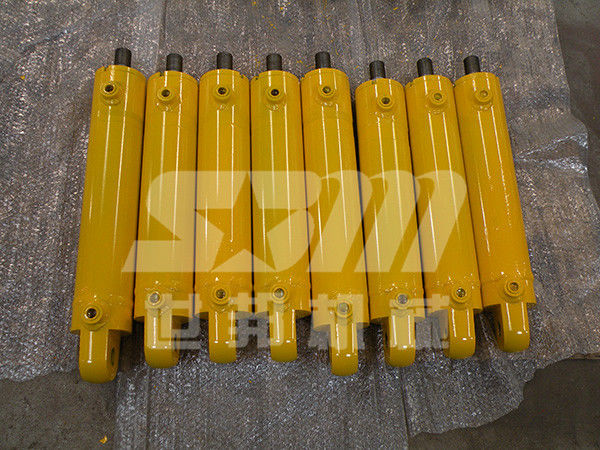
Not all cylinders are built equal. A high-quality forklift hydraulic cylinder must be designed to handle specific pressures and movements. Here are a few things to look for:
- Precise Fit and Clearances: For smooth movement, the fit between the piston rod and the guide sleeve should be tight but not restrictive. Professionals often use an H8/f8 fit to ensure stability without excessive friction.
- Effective Internal Buffering: Safety is key. An internal buffering device slows the cylinder down as it reaches the end of its stroke. This prevents sudden jarring and protects the forklift frame from stress.
- High-Quality Sealing: The seal grooves must be machined to exact tolerances. If a seal is too tight, it creates friction; if it's too loose, it leaks. Proper "V-ring" or specialized U-cup seals are essential for holding heavy loads.
The Secret to Long Life: Prevention is Better Than Repair
Maintaining a forklift hydraulic cylinder requires a proactive approach. Since "curing" a broken cylinder is difficult, you must focus on "prevention."
1. Fight Against Rust
The piston rod extends outside the cylinder during work. This exposes the metal to oxygen, moisture, and acidic gases in the air. To prevent the rod from corroding and eventually snapping under a heavy load, you must apply a thin layer of protective grease regularly.
2. Regular Oil Changes
Over time, tiny bits of metal or dirt enter the system. This creates friction, which grinds down the internal parts. Furthermore, hydraulic oil has a limited lifespan. Old oil can become acidic and eat away at your seals. Changing the oil and cleaning the tank is a simple way to protect the cylinder's "innards."
3. Control Your Speed
To protect the internal seals and mechanical parts, try to keep the cylinder's movement speed under 2m/s. Moving too fast increases heat and pressure, which can lead to early failure.
Solving Common Performance Issues
If your forklift hydraulic cylinder is struggling to move or feels weak, here is how to troubleshoot the problem:
- Resistance is Too High: Check for mechanical jams or "wedging" in the lifting mast. Ensure the guide rails are well-lubricated.
- Low Oil Pressure: Check the entire system for leaks. If the pressure won't reach the required level, your pump or pressure valve might be failing, or the internal seals may be worn out.
- Oil is Not Flowing: Check the hoses and connectors for clogs. Sometimes, a dirty relief valve or a burnt-out solenoid coil in the control valve can stop the oil from reaching the cylinder entirely.
Achieving Synchronized Lifting
In a hydraulic system, pressure moves equally in all directions. However, if you have two cylinders lifting a single load, the one with the lightest load will move first. This can cause the forks to tilt and drop the cargo.
To achieve synchronized lifting, where both cylinders move at the exact same speed, you must use a flow control valve or a synchronized lifting system. This ensures that no matter where the weight sits on the forks, the lift is perfectly level and safe.
Shellppon Solutions: Keeping the "Heart" Beating
At Shellppon, we specialize in the precision engineering required for high-cycle machines like forklifts. We understand that a B2B client needs reliability above all else.
Case Study: Warehouse Fleet Optimization
A logistics company was facing frequent downtime due to leaking tilt cylinders on their forklift fleet. The dust in their facility was destroying the seals every few months.
The Shellppon Solution: We provided custom-designed forklift hydraulic cylinders with enhanced wiper seals and induction-hardened rods. We also optimized the seal groove depth to reduce friction-based heat.
The Results:
- 60% Reduction in Maintenance: The new cylinders lasted three times longer than the original parts.
- Smoother Operation: The improved fit eliminated the "shaking" movement during high lifts.
- Zero Rust: Our specialized coating protected the rods even in humid loading dock environments.
Conclusion
The forklift hydraulic cylinder is the engine of your productivity. By focusing on rust prevention, regular oil changes, and using synchronized control systems, you can ensure your warehouse remains safe and efficient.
Whether you need a standard replacement or a custom-engineered lifting solution, Shellppon has the expertise to keep your equipment moving. Visit our website today to learn more about our professional hydraulic components.


Shi Bang Machinery benefits from a superior, convenient location that enables smooth transportation. Guided by its "Credibility First, Customers Supreme" mission, it provides qualified products. Backed by full-process quality control, the enterprise upholds its commitment to reliable quality, timely delivery, reasonable pricing, and excellent service while working to establish an influential industry brand.
Copyright © 2026 无锡市世邦机械制造有限公司 Ltd. All Rights Reserved. POWERED BY WEIMOBTRADE
