Hydraulic Cylinder Repair vs Replacement: A Decision Framework for Plant Managers
News Details
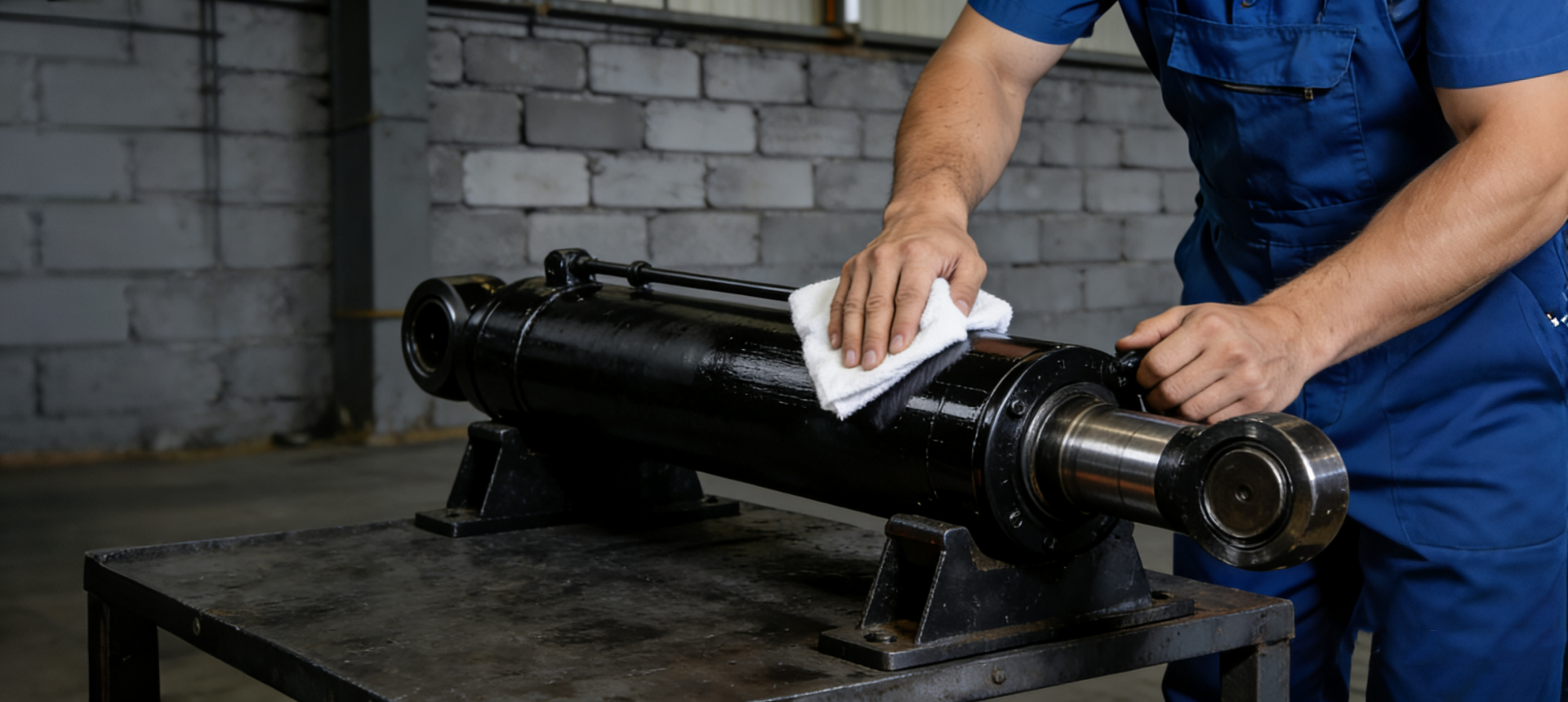
When a hydraulic cylinder fails on a key machine, work stops fast. Plant managers face an immediate challenge to get production moving again without wasting money. The choice comes down to one question: Should you repair the cylinder or replace it?
Making the right call on hydraulic cylinder repair vs replacement protects your plant from repeat breakdowns and keeps maintenance costs low. This simple framework helps you evaluate damage, limit unit cost, and choose the best path forward.
Calculating the True Cost of Cylinder Downtime
Many plant leaders look only at the line item cost of a new cylinder or a repair kit. However, direct repair costs are often small compared to the cost of lost output.
Unplanned cylinder downtime can cost thousands of dollars per hour in lost production, idle labor, and missed shipping deadlines. A cheap, temporary repair that takes five days to complete might cost far more in lost throughput than buying a brand-new unit delivered in two days.
To find the true financial impact, add these factors together:
-
Direct cost of parts and labor for repair or new supply
-
Hours of lost production multiplied by hourly line value
-
Emergency labor fees or expedited shipping costs
-
Risk of damage to downstream components if a quick repair fails
If repair time stretches out too long, replacement is almost always the smarter economic choice.
Evaluating Cylinder Damage and Wear Patterns
Before choosing a path, inspect the failed unit carefully. Some failures are easy fixes, while others mean the unit has reached the end of its working life.
When Repair Makes Sense
Repair is ideal when the core structure remains sound and wear is light. You can safely rebuild the unit if you find:
-
Minor rod seal or wiper seal leaks
-
Light surface scratches on the chrome piston rod
-
Piston seal bypass caused by normal seal age
-
Worn O-rings or external fluid leaks near ports
In these situations, replacing seals, honing the barrel lightly, or repolishing the rod restores the unit quickly at a fraction of the price of a new component.
When Replacement Is Required
Repair is rarely cost-effective when critical structural parts suffer major damage. You should replace the cylinder if you notice:
-
Severe scoring, pitting, or deep rust inside the barrel
-
Bent or cracked piston rods from overload
-
Cracked end caps, fractured welds, or warped mounting flanges
-
Heavy metal particle contamination throughout the hydraulic circuit
Trying to weld or machine deeply damaged parts often weakens the metal, leading to sudden failure under high pressure.
The 50% Rule for Repair Budgets
A simple industry standard for maintenance teams is the 50% rule.
If the total cost to repair a cylinder—including parts, shop labor, machining, and testing—exceeds 50% of the cost of a new unit, buying a replacement is the better investment.
Repaired cylinders keep their older, fatigued structural components. Paying more than half the price of a new unit to fix an old frame rarely makes financial sense, especially when a brand-new unit includes a fresh factory warranty.
Working with a Reliable Replacement Hydraulic Cylinder Manufacturer
When replacement is the clear answer, speed and product quality become your main priorities. Working directly with a proven replacement hydraulic cylinder manufacturer ensures you receive exact fit replacements that match your original mounting dimensions, pressure ratings, and stroke lengths.
A quality supplier helps you reduce long-term risk by offering:
-
Precision-machined components made to high pressure standards
-
Custom rod coatings to fight rust in harsh factory environments
-
Pre-tested assemblies ready for quick installation
-
Direct technical help to prevent future cylinder failures
Replacing an aging unit with a heavy-duty model extends operating life and shields your facility from unexpected line stops.
Making Your Final Decision
To keep your factory running smoothly, follow these clear steps during every breakdown:
-
Assess the physical damage to the rod, barrel, and mounts.
-
Calculate the exact cost of production loss during repair lead time.
-
Apply the 50% rule to compare total shop costs against a new purchase.
-
Choose the path that offers the fastest start and long-term durability.
Taking a quick, structured approach ensures your machinery stays active, keeps your crew safe, and protects your operational bottom line. If you need expert advice on choosing the right components for your equipment, feel free to Contact Us to speak with a technical expert today.


