Hydraulic Cylinder Seal Failure: 9 Causes and What the Wear Pattern Reveals
News Details
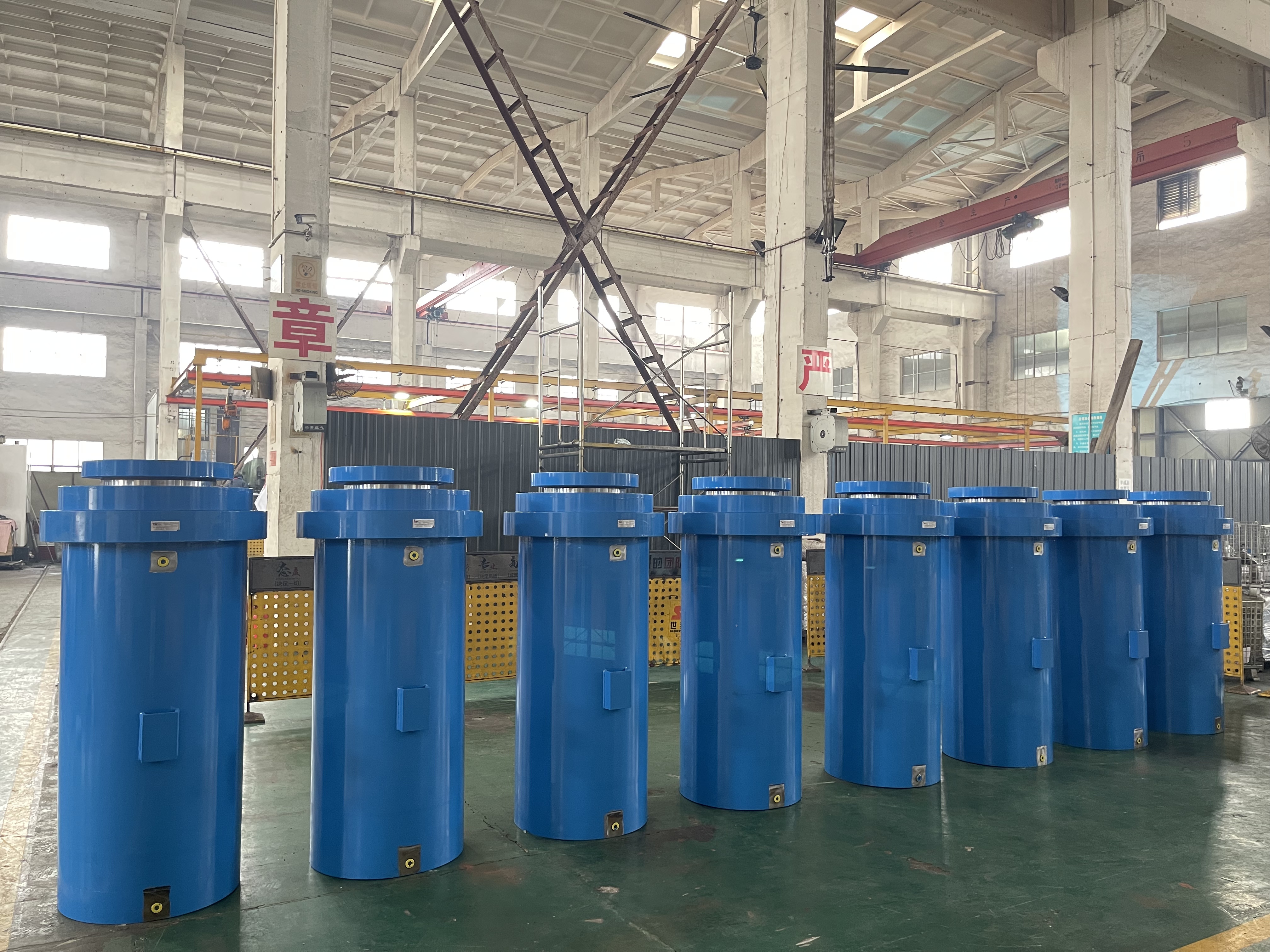
A hydraulic cylinder leaking fluid is one of the most frustrating issues maintenance teams face. Fluid leaks cause pressure loss, slow machine speed, waste expensive oil, and create major workplace hazards.
In most cases, fluid leaks trace back to damaged seals. However, replacing a blown seal without fixing the underlying problem guarantees it will fail again. Fortunately, damaged seals leave distinct wear patterns behind. By learning how to read these patterns, you can identify the exact hydraulic cylinder seal failure causes and stop repeat breakdowns.
Here is a simple breakdown of the nine most common causes of seal failure and what their physical wear patterns reveal.
1. Contamination and Abrasion
Fluid contamination is the leading cause of premature seal damage. When dirt, metal flakes, or debris circulate through the system, fine particles grind against the seal lips.
-
Wear Pattern: You will see fine scratches, pitting, or dynamic wear along the sealing edge. The lip often looks rounded or shaved down rather than sharp.
-
Solution: Flush system fluid regularly, install finer filtration, and check that dust wipers function properly.
2. Excessive Heat and Thermal Degradation
Hydraulic systems operating above recommended temperature limits quickly cook standard elastomer seals.
-
Wear Pattern: The seal material turns hard, brittle, and cracked. In severe cases, the rubber charred or flat-spots permanently, losing its elasticity.
-
Solution: Install oil coolers, check relief valves, and ensure proper seal material selection (such as switching from standard Nitrile to Fluorocarbon/Viton for high-heat environments).
3. High Pressure and Extrusion
Operating beyond design pressure ratings forces soft seal materials into the tiny clearance gaps between internal metal parts.
-
Wear Pattern: The back edge of the seal looks nibbled, tattered, or chewed away. Small pieces of the seal lip may actually break off into the fluid.
-
Solution: Add anti-extrusion back-up rings or lower peak operating pressure.
4. Chemical Compatibility Issues
Using hydraulic fluids that react badly with your seal polymer leads to rapid degradation.
-
Wear Pattern: The seal swells significantly, becomes soft or gummy, or disintegrates entirely into a sticky sludge.
-
Solution: Re-evaluate your seal material selection to make sure your polymer matches the specific hydraulic fluid or synthetic ester in use.
5. Piston Rod Surface Damage and Roughness
Seals rely on a micro-smooth metallic surface to hold fluid pressure while sliding. If the piston rod gets nicked, pitted, or scratched, it turns into a file that shreds seal lips.
-
Wear Pattern: Deep longitudinal grooves or cuts appear straight across the dynamic sealing surface.
-
Solution: Replace damaged shafting with premium components. Using high-grade High-Precision Hard Chrome Plated Piston Rods ensures proper surface finish, optimal oil film retention, and high scratch resistance to protect seal lifespans.
6. Incorrect Installation
Using sharp tools, forcing seals over un-chamfered metal edges, or twisting seals during assembly causes immediate damage before the cylinder even starts running.
-
Wear Pattern: Clean cuts, small tears, or localized notches along the lip edge or heel of the seal.
-
Solution: Use proper fitting tools, smooth all shaft chamfers, and lubricate seals well prior to assembly.
7. Side Loads and Misalignment
When a cylinder faces unaligned forces or heavy side loads, the piston rod pushes sideways against the gland.
-
Wear Pattern: Uneven wear concentrated heavily on one side of the seal, while the opposite side shows little to no contact.
-
Solution: Check machine alignment, inspect guide bushings, and correct mechanical mounting geometry.
8. Dieseling and Explosive Decompression
Air trapped inside hydraulic fluid compresses rapidly under high pressure, causing localized hot spots that burn tiny holes into seals.
-
Wear Pattern: Small, burnt pits, tiny craters, or charred micro-fissures on the high-pressure side of the seal.
-
Solution: Bleed air from the system during initial setup and prevent air suction in pump suction lines.
9. Hydraulic Shock (Pressure Spikes)
Sudden load drops or rapid valve shifts create extreme pressure spikes that far exceed maximum design limits.
-
Wear Pattern: Fractured seal bodies, blown-out lips, or completely split seals.
-
Solution: Install shock valves, adjust system ramp times, or upgrade to heavy-duty polyurethane seals.
Stop Leaks Before They Cause Downtime
Understanding seal wear patterns gives maintenance managers a clear roadmap to solve fluid leaks for good. Choosing the right seal material, keeping fluid clean, and maintaining precise rod surface quality will drastically extend cylinder service life.
At Shellppon Hydraulic, we supply precision-finished piston rods and hydraulic components built to protect seal integrity and perform under tough industrial conditions.
If you are dealing with persistent seal failures or need technical guidance on cylinder components, Contact Us today to speak with our engineering team.


