How to Specify and Order Custom Non-Standard Heavy-Duty Hydraulic Cylinders
News Details
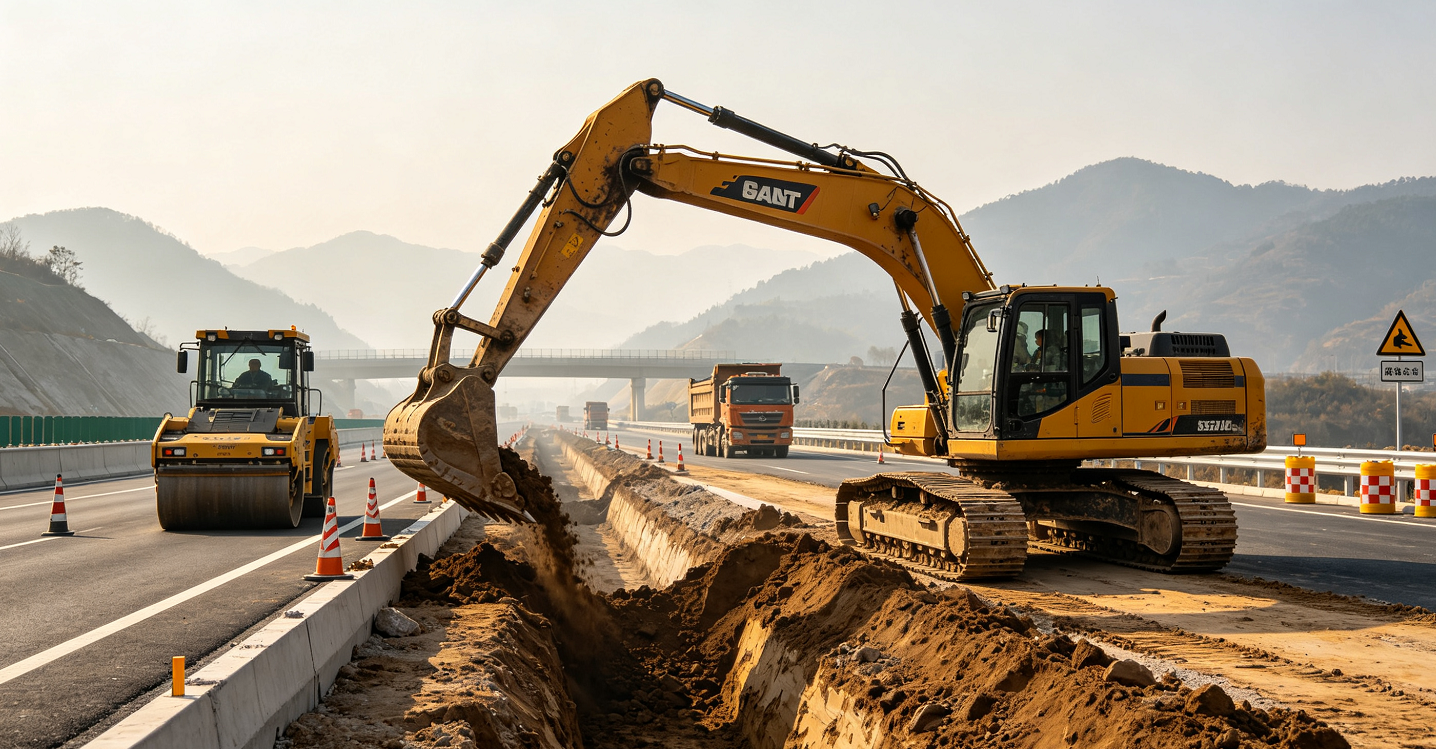
Standard, off-the-shelf components work well for basic industrial tasks. However, heavy mining equipment, offshore platforms, and massive presses require specialized power solutions. Standard parts simply fall short when high loads, harsh weather, and unusual mountings come into play.
That is where Custom Hydraulic Cylinders step in. Ordering custom actuators requires clear planning. If you get one detail wrong, you face high downtime, lost money, and safety hazards.
This guide walks you through defining engineering specs for custom non-standard cylinders and ordering them directly from experienced manufacturers.
1. Define Operating Conditions and Load Demands
Before you choose a single component, evaluate where and how your cylinder will work. Heavy machinery puts immense stress on internal seals and steel walls.
Calculate Load and Pressure
First, calculate the maximum force your system needs to push or pull. Large Tonnage Cylinders operate under extreme pressure, often over 5,000 PSI. As a result, you must know both the normal working load and the peak surge pressure.
Map the Work Environment
Next, assess the environment surrounding the machine:
-
Temperature extremes: Hot foundries require heat-resistant seals, while icy sub-zero sites need special low-temp fluid and steel.
-
Corrosive elements: Marine and offshore applications demand specialized coatings like double-chrome plating or nickel-chrome treatments to stop rust.
-
Dirt and debris: Dust, sand, and flying gravel require extra rod wipers and external guards to protect the internal seals.
2. Lock Down Critical Physical Specs
Once you know the environment, start mapping out the physical attributes. Precision is crucial when ordering Non-Standard Hydraulic Cylinders.
| Technical Spec | Why It Matters | What to Define |
| Bore Size | Determines total force output | Measure internal tube diameter based on required pressure |
| Rod Diameter | Prevents bending under heavy load | Match rod thickness to stroke length to avoid buckling |
| Stroke Length | Sets the travel distance | Define exact start and end points of movement |
| Mounting Style | Dictates mechanical alignment | Choose clevis, flange, trunnion, or foot mounts |
In addition, consider stroke cushions. Fast-moving loads can slam into the end caps, damaging the machine. Internal cushions slow down the piston gently right before full extension or retraction.
3. Focus on Heavy-Duty Custom Hydraulic Cylinder Design Features
Heavy machinery needs extra care during the engineering phase. Standard seals and thin wall tubing fail under severe stress. Therefore, work closely with specialized high-tonnage hydraulic cylinder manufacturers to refine these core details:
Choose High-Yield Steel
Heavy-duty applications demand high tensile steel for both the barrel and the rod. Thick-walled seamless tubing stops the barrel from expanding under high pressure, which extends seal life.
Upgrade the Seal Package
Seals keep high-pressure fluid inside while keeping dirt out. Instead of standard rubber rings, opt for multi-stage polyurethane seals, step seals, and heavy-duty wear bands to handle sudden shock loads.
4. Prepare Your Technical Package for the Manufacturer
To get an accurate quote and avoid delays, gather your technical documents before contacting a supplier.
Your documentation package should include:
-
2D CAD drawings or 3D models with tight tolerances.
-
Hydraulic fluid details (standard mineral oil, water-glycol, or synthetic fluids).
-
Operating duty cycle (how many times per minute or hour the cylinder cycles).
-
Desired built-in features, such as integrated position sensors or load-holding valves.
5. Partner with the Right High-Tonnage Hydraulic Cylinder Manufacturers
Selecting the right partner is just as critical as getting the engineering right. You need a team with deep experience in custom manufacturing, strict quality checks, and raw material traceability.
At Shellppon Hydraulic, we specialize in building heavy-duty, high-tonnage hydraulic solutions tailored to your exact application. Our engineers partner with you from initial CAD design all the way through hydrostatic testing.
Ready to build your next custom cylinder? Contact Us today to send over your specs and request a technical quote.


