

Product Introduction
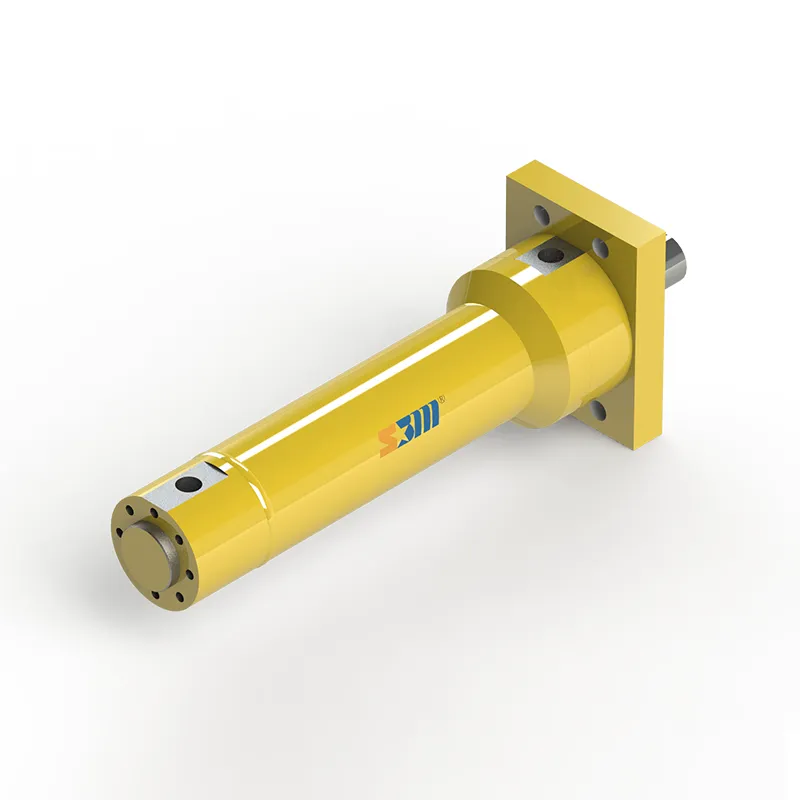
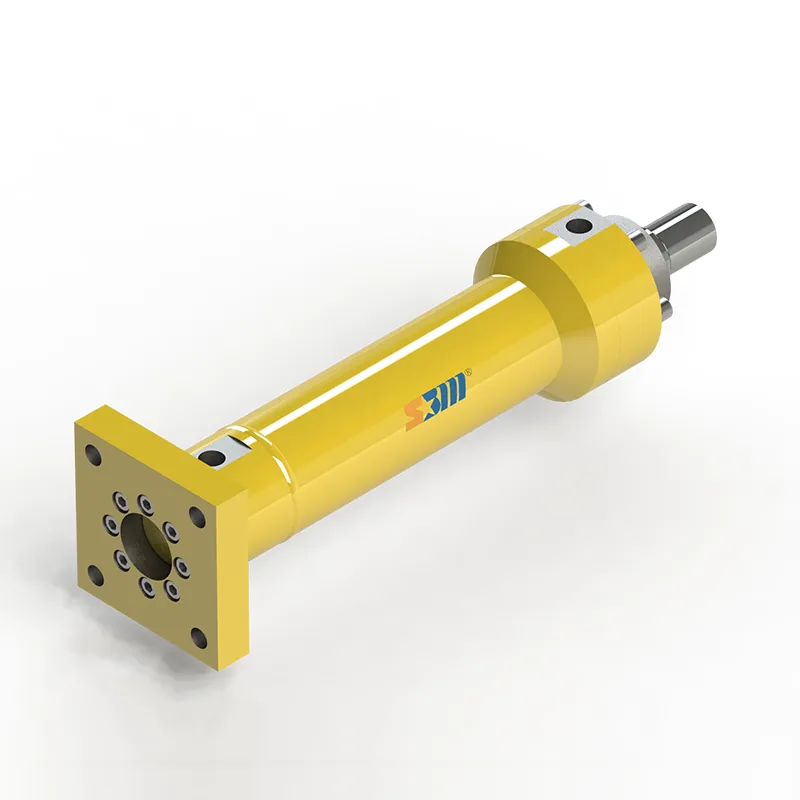
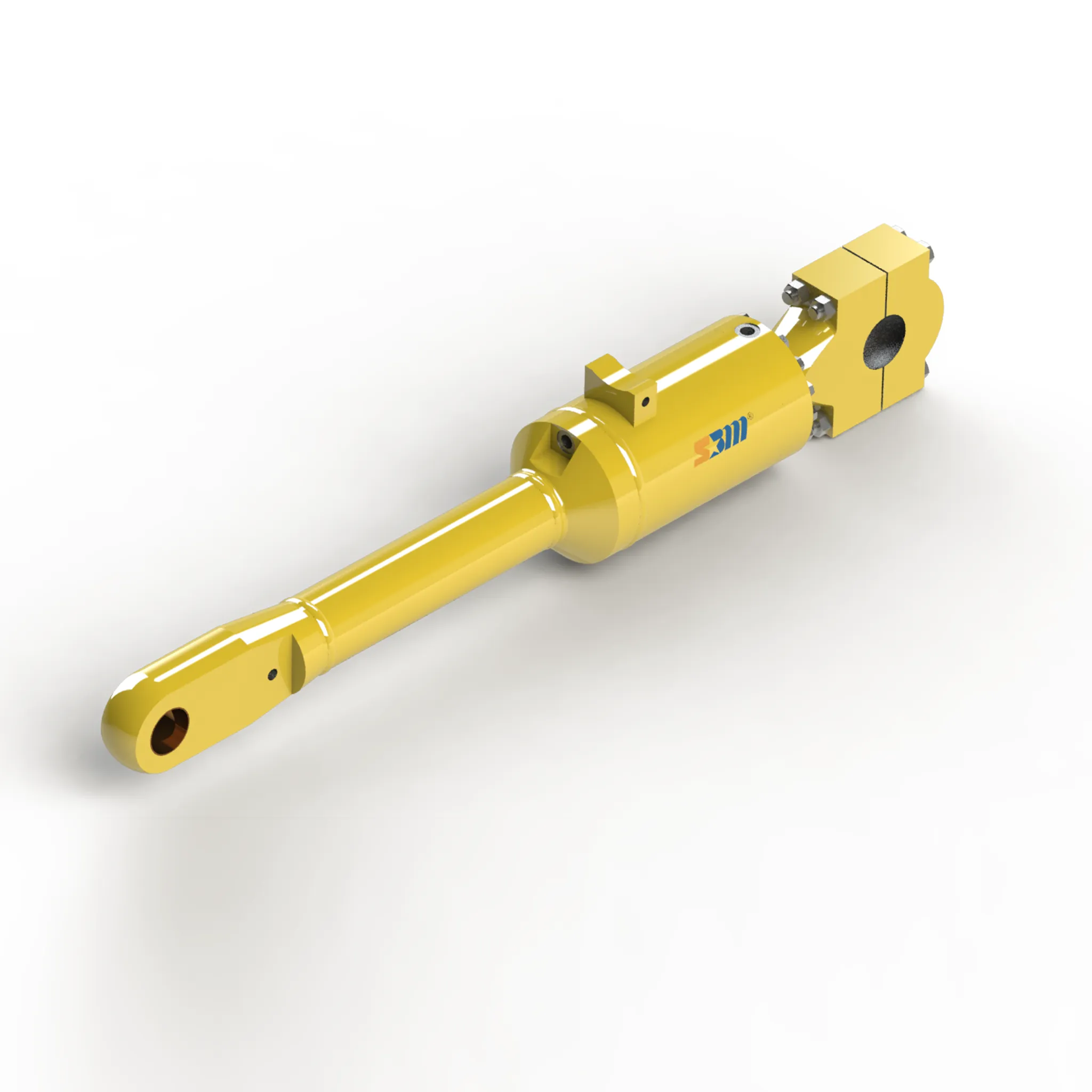
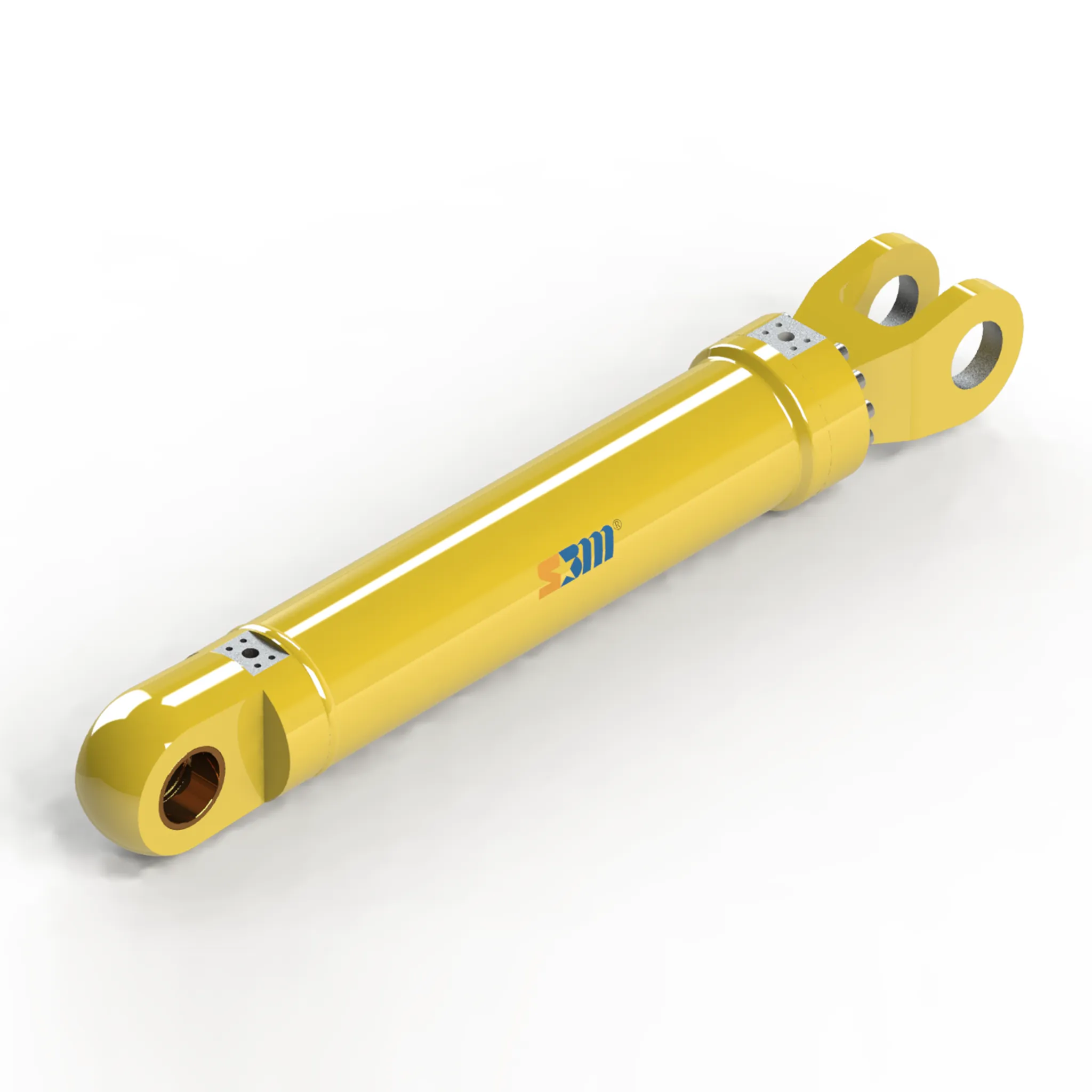
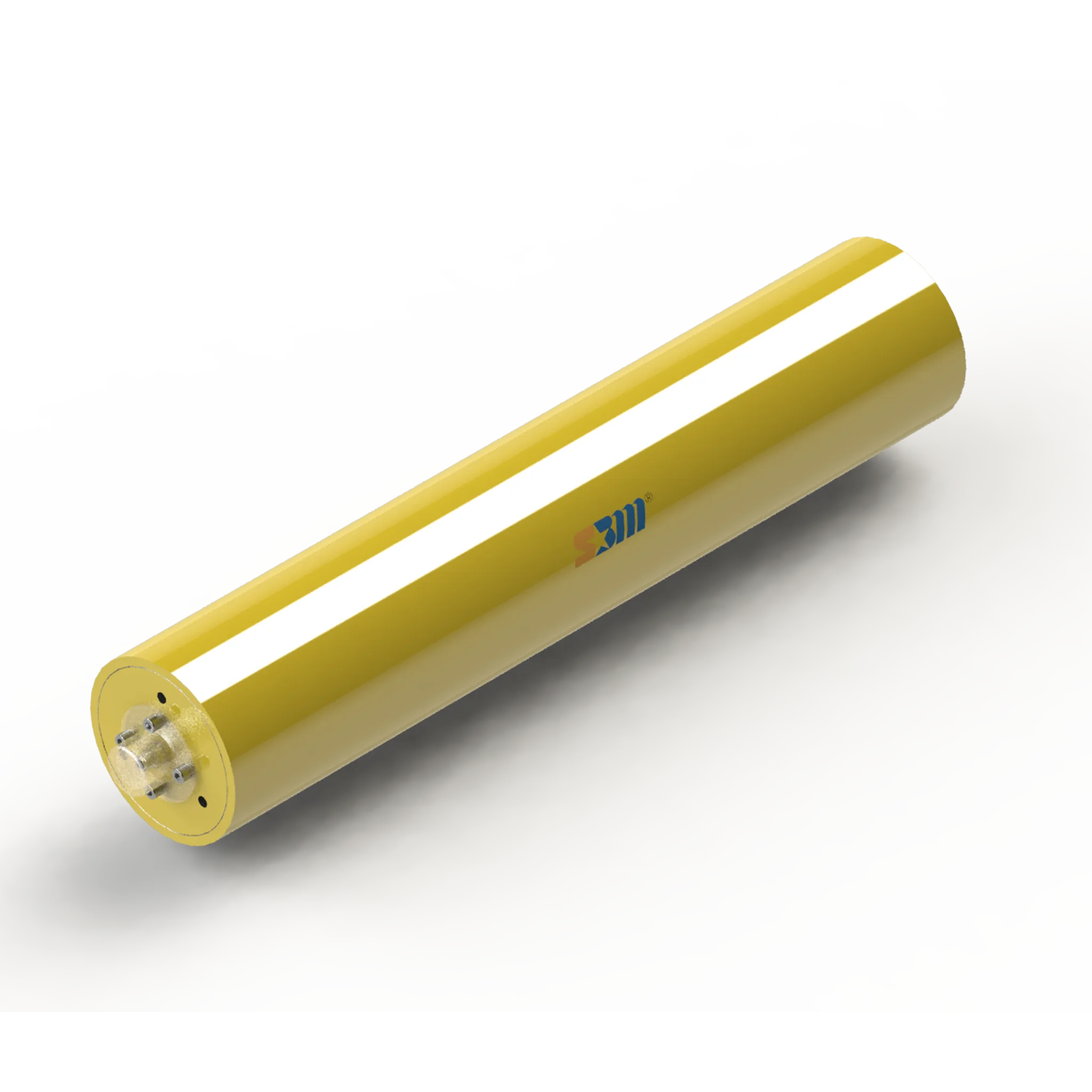
The AGC hydraulic cylinder, short for Automatic Gauge Control hydraulic cylinder, serves as the primary executive component on modern steel and non-ferrous rolling production lines. It is widely used to support cold rolling mills, hot rolling mills, and medium/thick plate mill machinery.
By delivering high-frequency dynamic responses and ultra-precise micro-gap tracking, this heavy-duty servo cylinder adjusts the roller gap in real time to maintain perfectly stable sheet thickness. Engineered to withstand the extreme temperatures, immense loads, and continuous high-frequency reciprocating strokes typical of modern steel mills, it safeguards both finished sheet accuracy and continuous factory production.
Core Performance Parameters
| Parameter | Specification Details |
| Applicable Equipment | Cold tandem rolling mills, hot tandem rolling mills, skin-pass mills, plate forming lines, aluminum foil mills, stainless steel, and silicon steel processing lines. |
| Working Pressure Range | 28 MPa to 35 MPa |
| Output Thrust Capacity | 500 tons to 1,000 tons |
| Effective Stroke Length | 20 mm to 70 mm |
| Position Control Precision | Micron-level error tolerance (±5-10μm) |
| Response Dynamic Speed | High-frequency closed-loop response up to 15 Hz for mill speeds of 7 to 10 mm/s |
| Sensor Configuration | Integrated, embedded magnetostrictive linear displacement sensor |
Technical Advantages & Features
1. Ultra-High Strength Cylinder Body
The cylinder housing is machined from a single solid block of thick-walled forged steel (such as 42CrMo or 18MnMoNb alloy steel). It undergoes advanced quenching and tempering treatments to maximize structural stiffness, allowing it to handle thousands of tons of crushing force without physical stretching or deformation.
2. Embedded Precision Position Sensor
Every unit comes equipped with a built-in magnetostrictive position tracking sensor (such as the RD-M0160 series) featuring a 1 μm resolution and $\pm$0.01% FS non-linear error. Being completely embedded inside the cylinder rod shields it from flying metal scale, intense radiant heat, and airborne oil mist, providing stable closed-loop feedback directly to your control system.
3. Dual Valve Interface Configuration
Our design features integrated dual electro-hydraulic servo valve block ports. This redundant layout ensures highly responsive oil supply control, lowers structural component failure rates during continuous mass production runs, and speeds up dynamic response loops.
4. Advanced Shock-Absorbing Buffers
The internal assembly includes specialized hydraulic cushions at both stroke limits. This dampens the immense mechanical shocks generated when the front edge of a cold steel plate enters the roller gap, preventing structural cracking and extending the operational life of the entire mill frame.
5. Specialized Multi-Stage Seals
The piston configuration utilizes low-friction, multi-stage sealing kits designed to run smoothly with clean, high-grade hydraulic fluids. These materials offer exceptional resistance to high temperatures, heavy fluid friction, and oil contamination, ensuring zero internal oil leakage and keeping sliding resistance to an absolute minimum.
Typical Industrial Applications
These advanced rolling mill servo cylinders operate at the heart of heavy-duty sheet forming machinery, including:
-
High-speed cold-rolled and hot-rolled strip steel production lines.
-
Heavy-duty industrial plate forming machines, levelers, and straighteners.
-
Specialized manufacturing lines for carbon steel, stainless steel, high-precision copper strips, and thin aluminum foils.
Sourcing Inquiry Checklist
To get a rapid, precise quote from our engineering center, please verify these four points before contacting us:
-
Required Tonnage: Define your peak separating force and target system operating pressure.
-
Mounting Dimensions: Confirm if your housing frame requires an upper flange, lower flange, or embedded layout.
-
Sensor Signal: Specify your automated PLC feedback requirement (e.g., 4-20mA analog output).
-
Operating Environment: Note any extreme ambient temperatures or specific fluid safety requirements.