
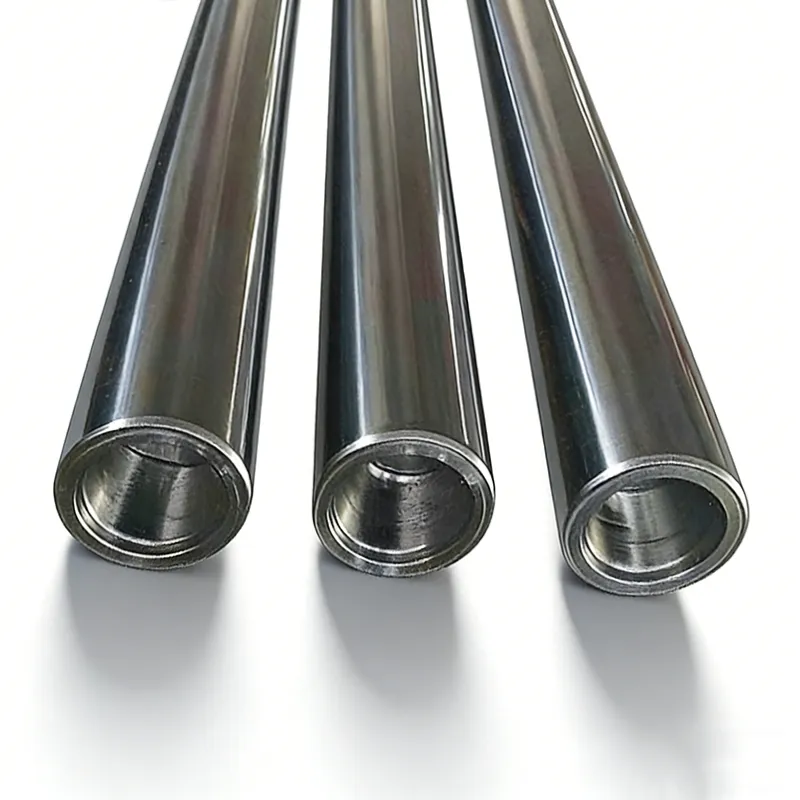
Hollow Piston Rod Hydraulic Cylinder
A dedicated replacement spare part for hydraulic cylinder maintenance, featuring roller-burnished and hard chrome–plated surfaces for excellent wear resistance, corrosion resistance, and long service life. Designed for smooth operation, low seal wear, and high-load applications.


The guide rod is a critical connecting and supporting component of a hydraulic cylinder. It is widely used in hydraulic and pneumatic actuators and is characterized by high-frequency motion and stringent technical requirements, making it a precision motion component.
Taking a hydraulic cylinder as an example, it mainly consists of a cylinder barrel, piston rod, piston, and end caps. The machining quality of the piston rod directly affects the service life and operational reliability of the entire cylinder.
Piston rods require high-precision machining. The specified surface roughness is Ra 0.4–0.8 μm, with strict requirements for coaxiality and wear resistance. Structurally, the piston rod is a slender shaft component, which makes machining particularly challenging and has long posed difficulties for manufacturing engineers.
Surface Strengthening by Roller Burnishing
Surface treatment processes are applied to enhance the corrosion resistance of the piston rod and to delay the initiation and propagation of fatigue cracks, thereby improving fatigue strength. Through roller burnishing, a cold work-hardened layer is formed on the surface. This process reduces elastic and plastic deformation at the contact surface, significantly improving surface wear resistance, while also eliminating grinding burn defects commonly caused by conventional grinding processes. After burnishing, the reduced surface roughness improves fit accuracy and lowers friction between the piston rod and seals or sealing rings during reciprocating motion. This minimizes seal wear and extends the overall service life of the hydraulic cylinder. Roller burnishing is therefore recognized as a high-quality and reliable surface finishing process in piston rod manufacturing. Piston Rod Technical Specifications
Guide Rod Tolerance Grade: F7–F9
Guide Rod Surface Roughness: Ra 0.3–0.6 μm
Guide Rod Surface Hardness: HRC 58–64 Hardened Layer Depth (Piston Rod Surface): 1–3 mm
Machining Accuracy (Radial Runout): 0.02–0.05 mm
Straightness: ≤ 5 μm per 100 m
Chrome Plating Thickness: 0.025–0.035 mm
Surface treatment processes are applied to enhance the corrosion resistance of the piston rod and to delay the initiation and propagation of fatigue cracks, thereby improving fatigue strength. Through roller burnishing, a cold work-hardened layer is formed on the surface. This process reduces elastic and plastic deformation at the contact surface, significantly improving surface wear resistance, while also eliminating grinding burn defects commonly caused by conventional grinding processes. After burnishing, the reduced surface roughness improves fit accuracy and lowers friction between the piston rod and seals or sealing rings during reciprocating motion. This minimizes seal wear and extends the overall service life of the hydraulic cylinder. Roller burnishing is therefore recognized as a high-quality and reliable surface finishing process in piston rod manufacturing. Piston Rod Technical Specifications
Guide Rod Tolerance Grade: F7–F9
Guide Rod Surface Roughness: Ra 0.3–0.6 μm
Guide Rod Surface Hardness: HRC 58–64 Hardened Layer Depth (Piston Rod Surface): 1–3 mm
Machining Accuracy (Radial Runout): 0.02–0.05 mm
Straightness: ≤ 5 μm per 100 m
Chrome Plating Thickness: 0.025–0.035 mm
Recommended products
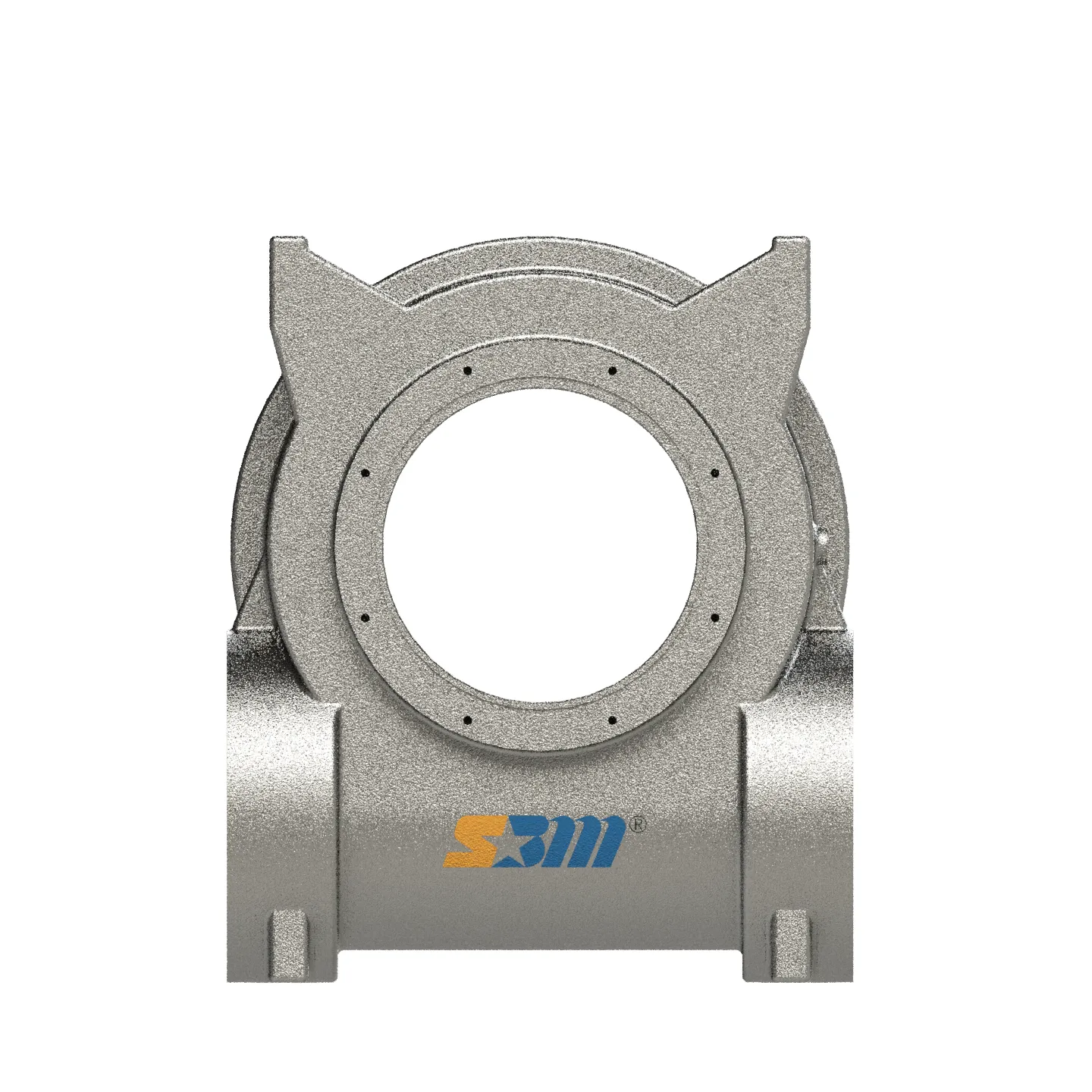
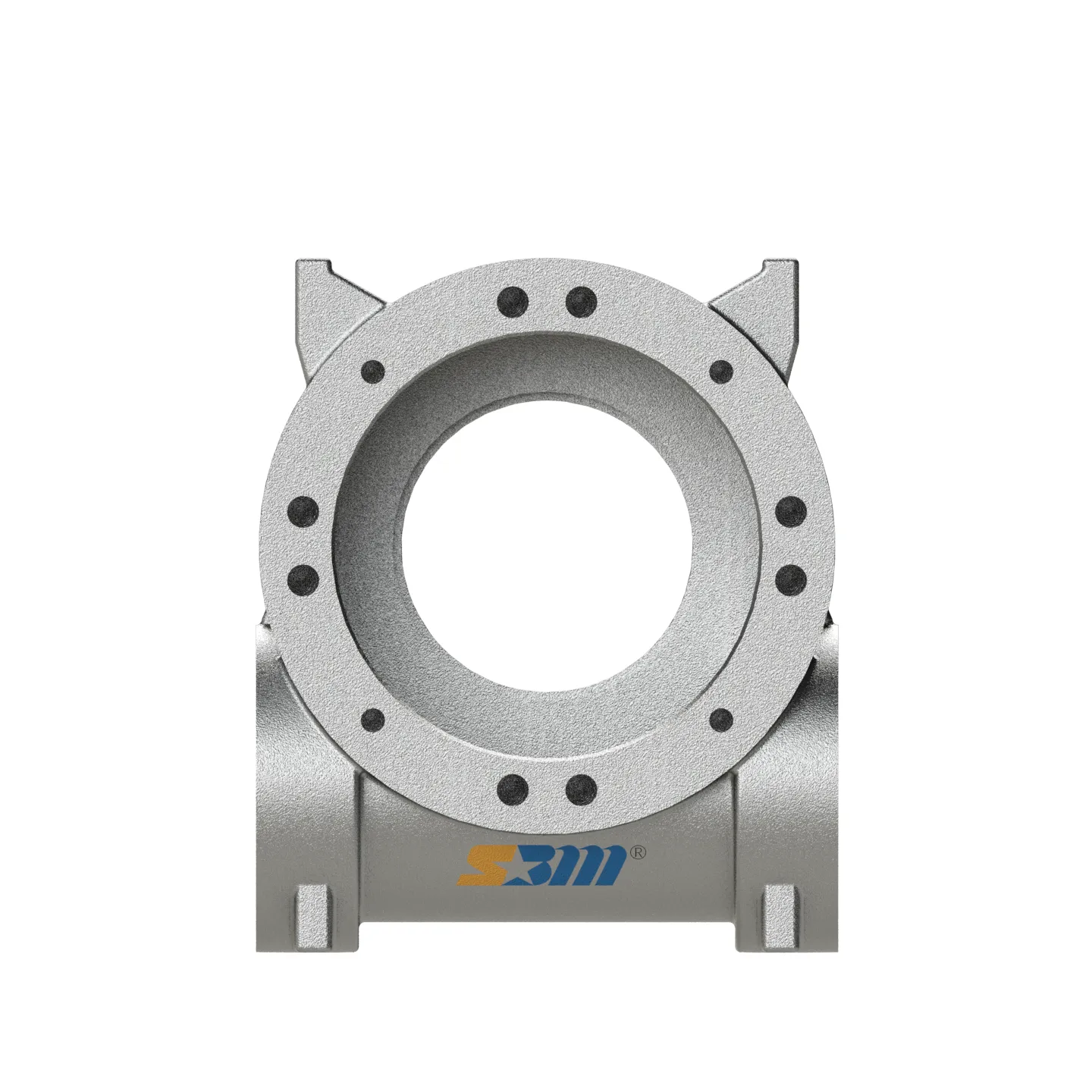
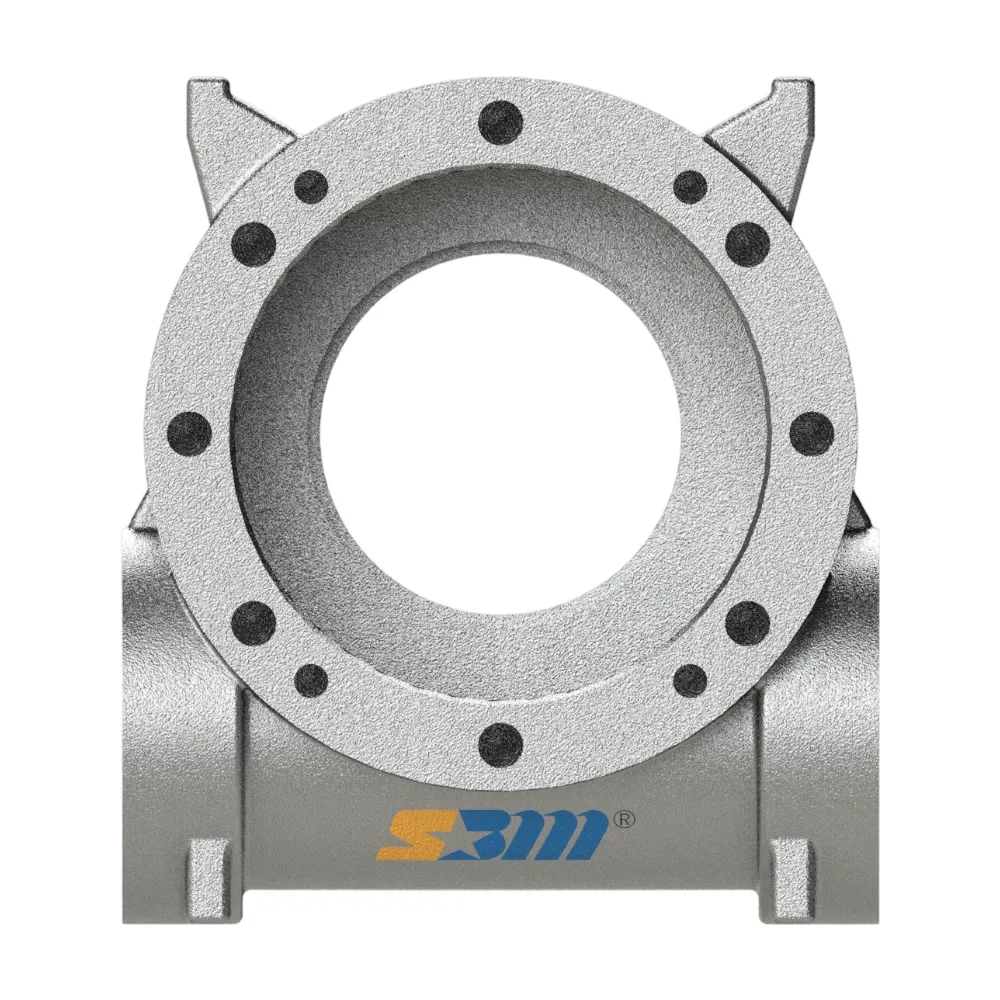
S180 Rotary Actuator Housing | High-Torque QT500 Lost Foam Casting
Looking for a heavy-duty S180 rotary actuator housing? Discover Shellppon’s premium QT500-7 ductile iron gear-rack shells cast using advanced EPC technology.
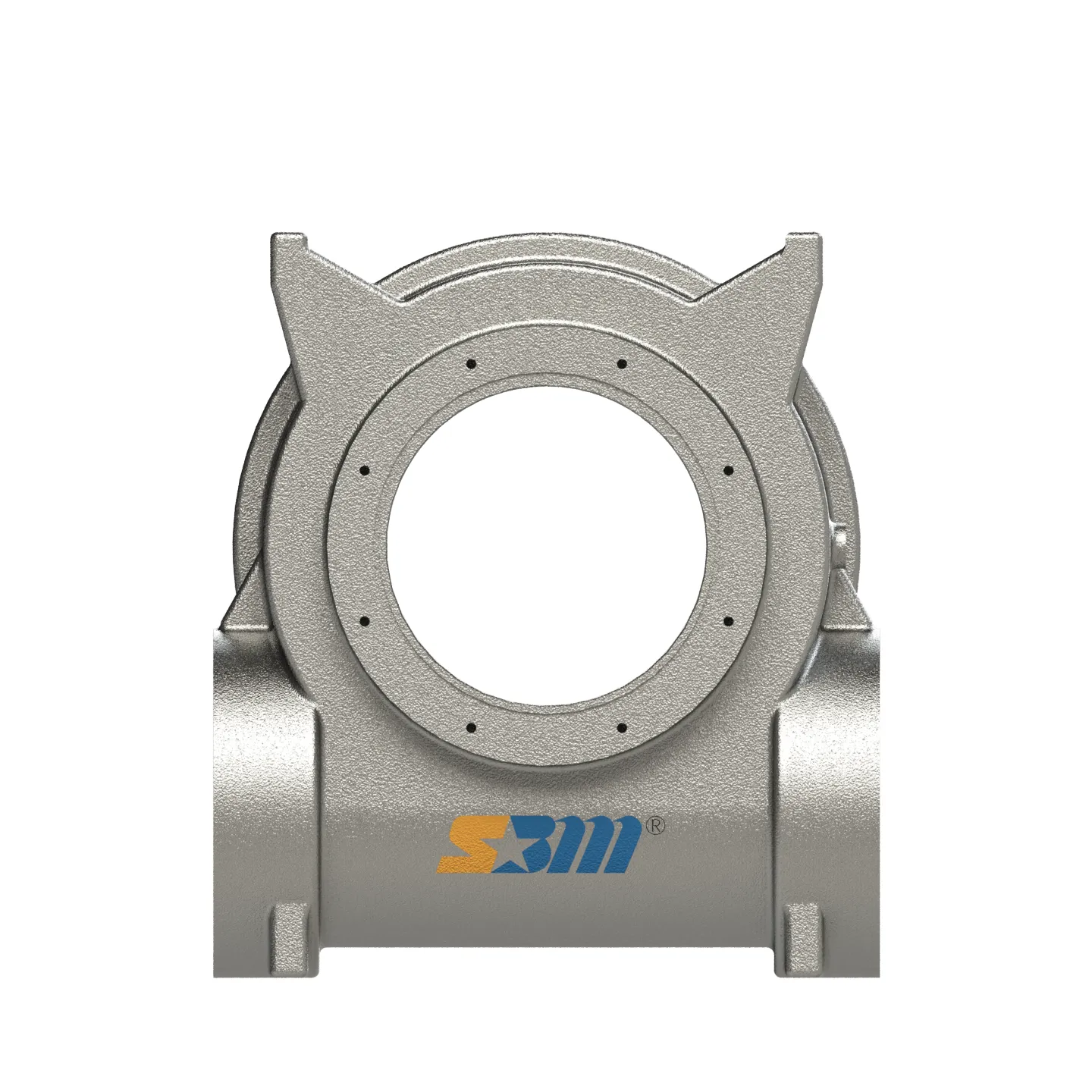
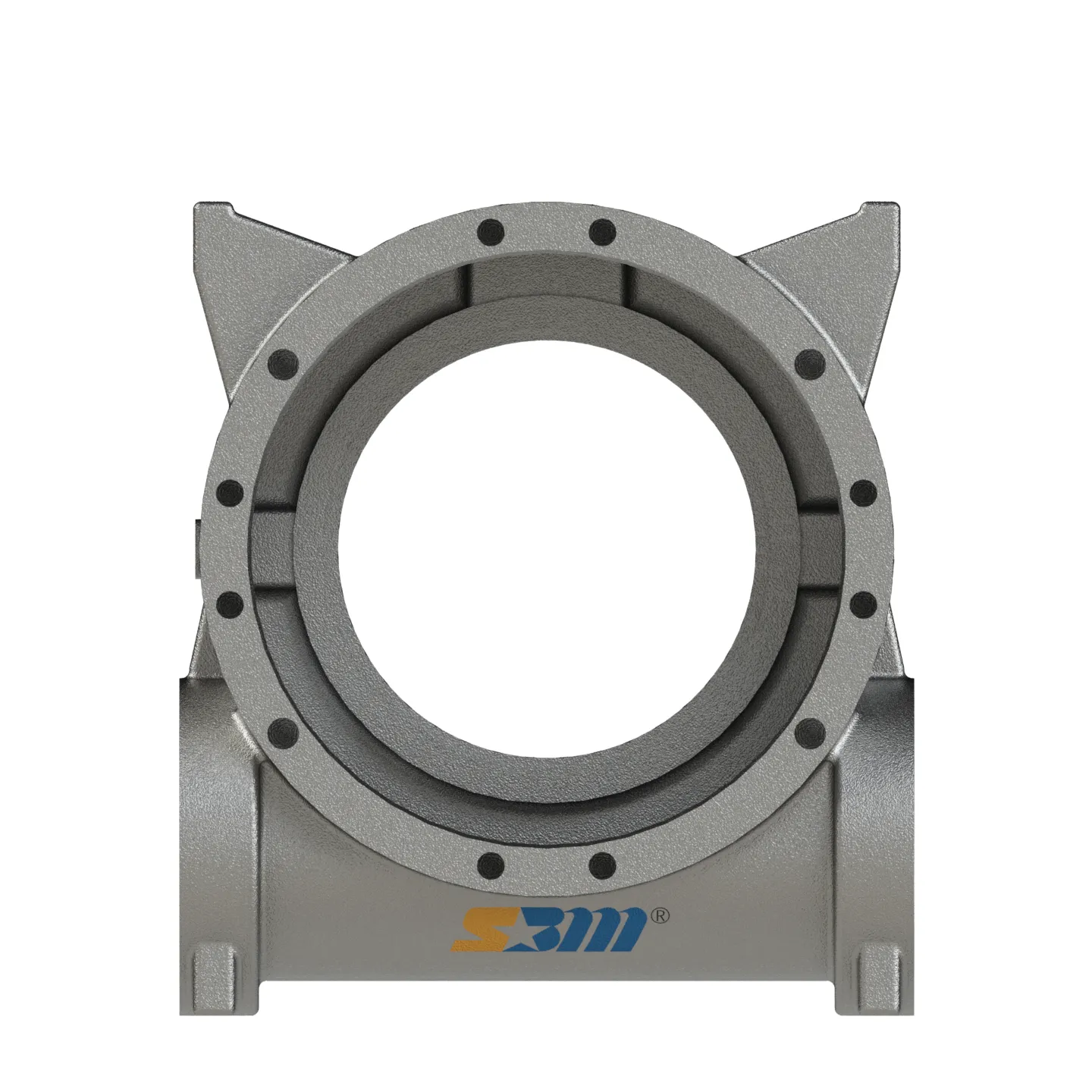
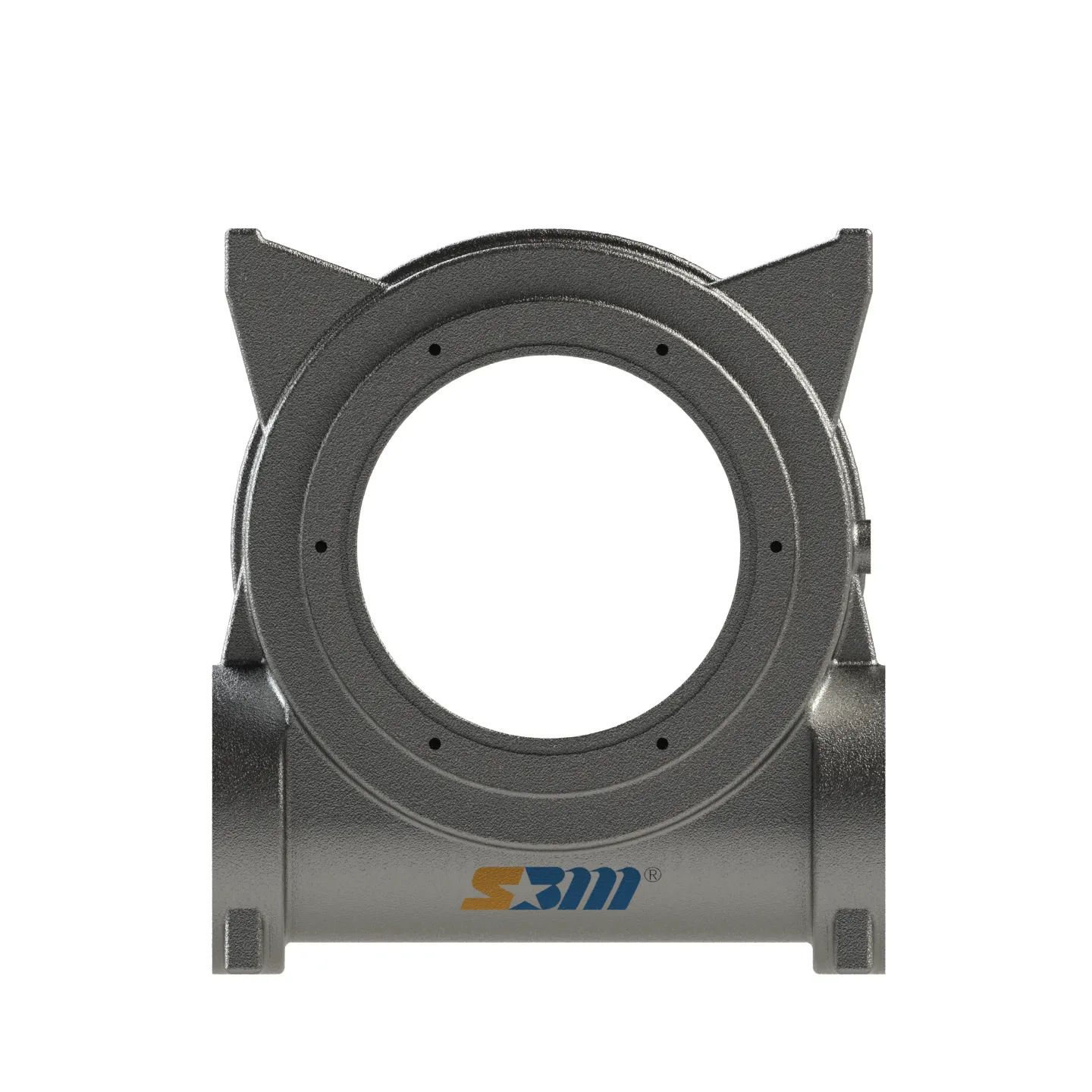
S140 Rotary Actuator Housing | Heavy-Duty QT500 Lost Foam Casting
Looking for a rugged S140 rotary actuator housing? Discover Shellppon’s high-strength QT500-7 ductile iron gear-rack housings cast using advanced EPC technology.
S100 Rotary Actuator Gear-Rack Housing
Looking for a rugged S100 rotary actuator housing? Discover Shellppon’s premium QT500-7 ductile iron gear-rack housings cast using advanced EPC technology.
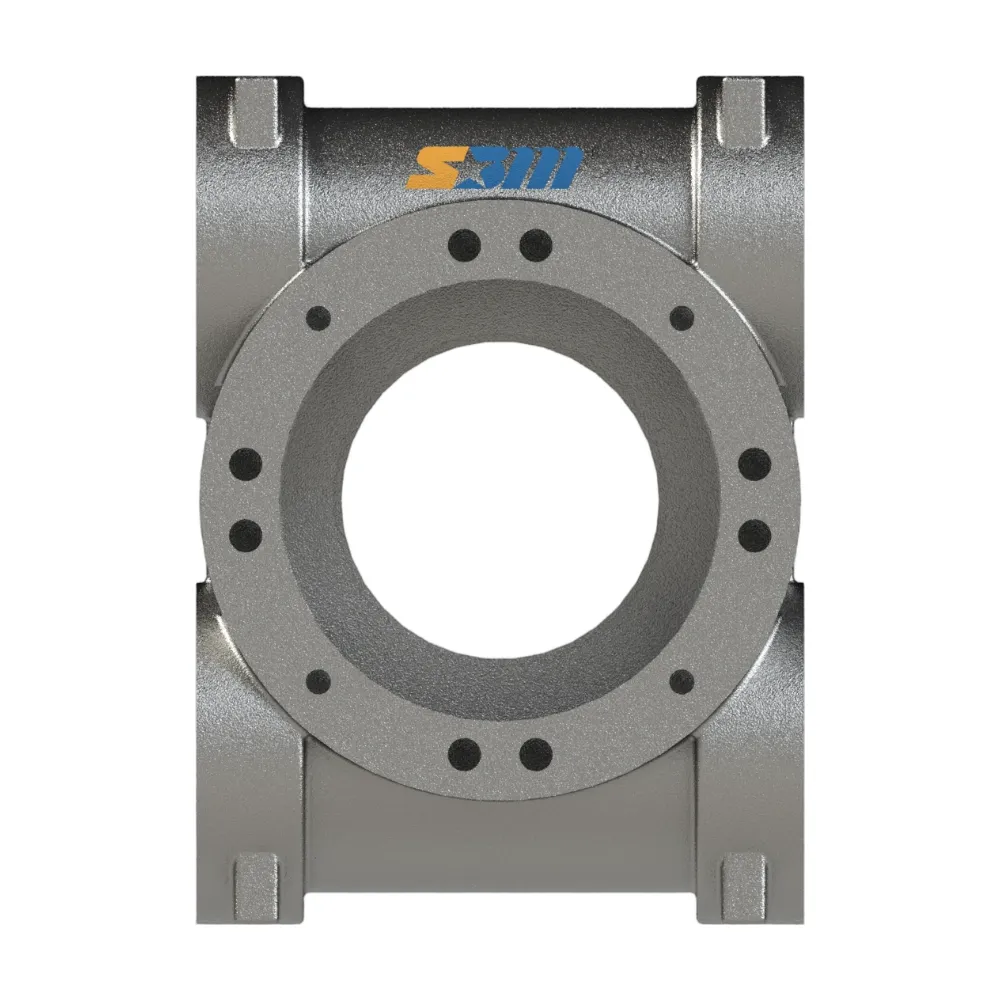
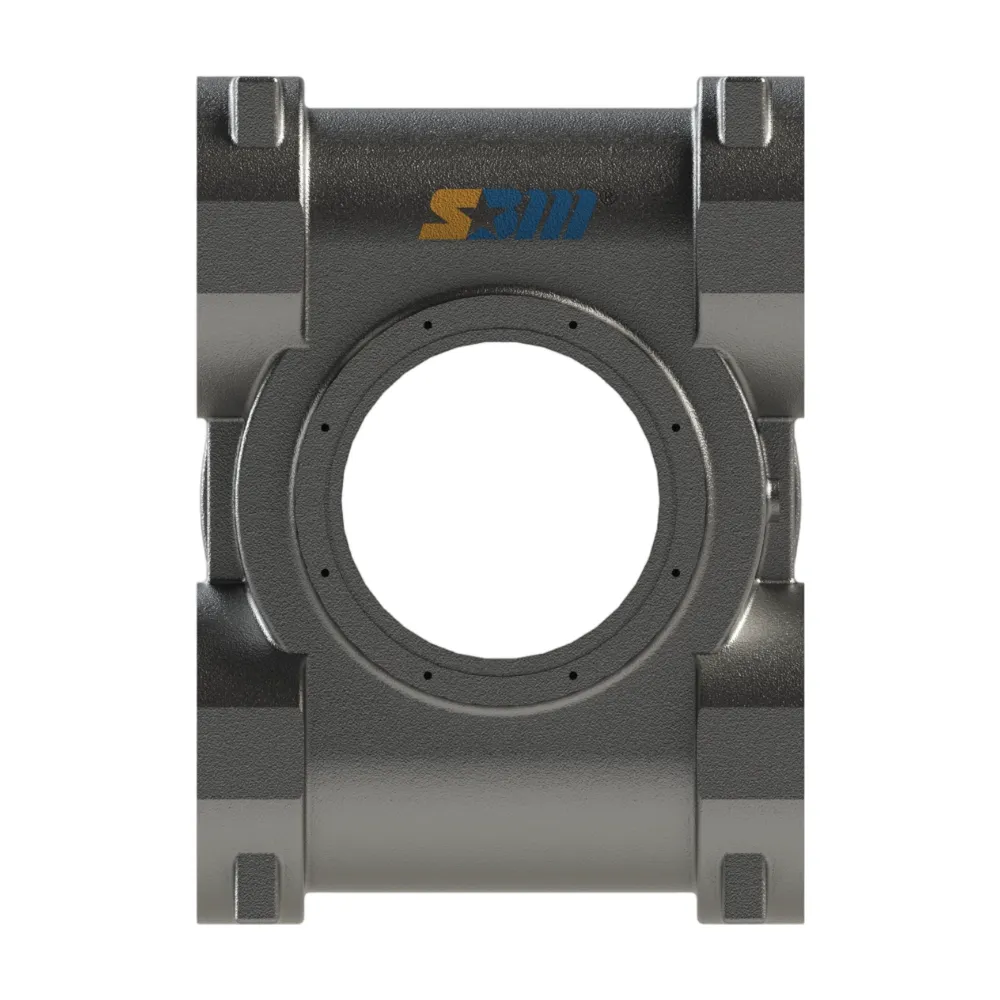
D180 Rotary Actuator Gear-Rack Housing
Discover the D180 rotary actuator gear-rack housing by Shellppon. Made from high-strength QT500-7 ductile iron using premium lost foam casting (EPC) technology.


