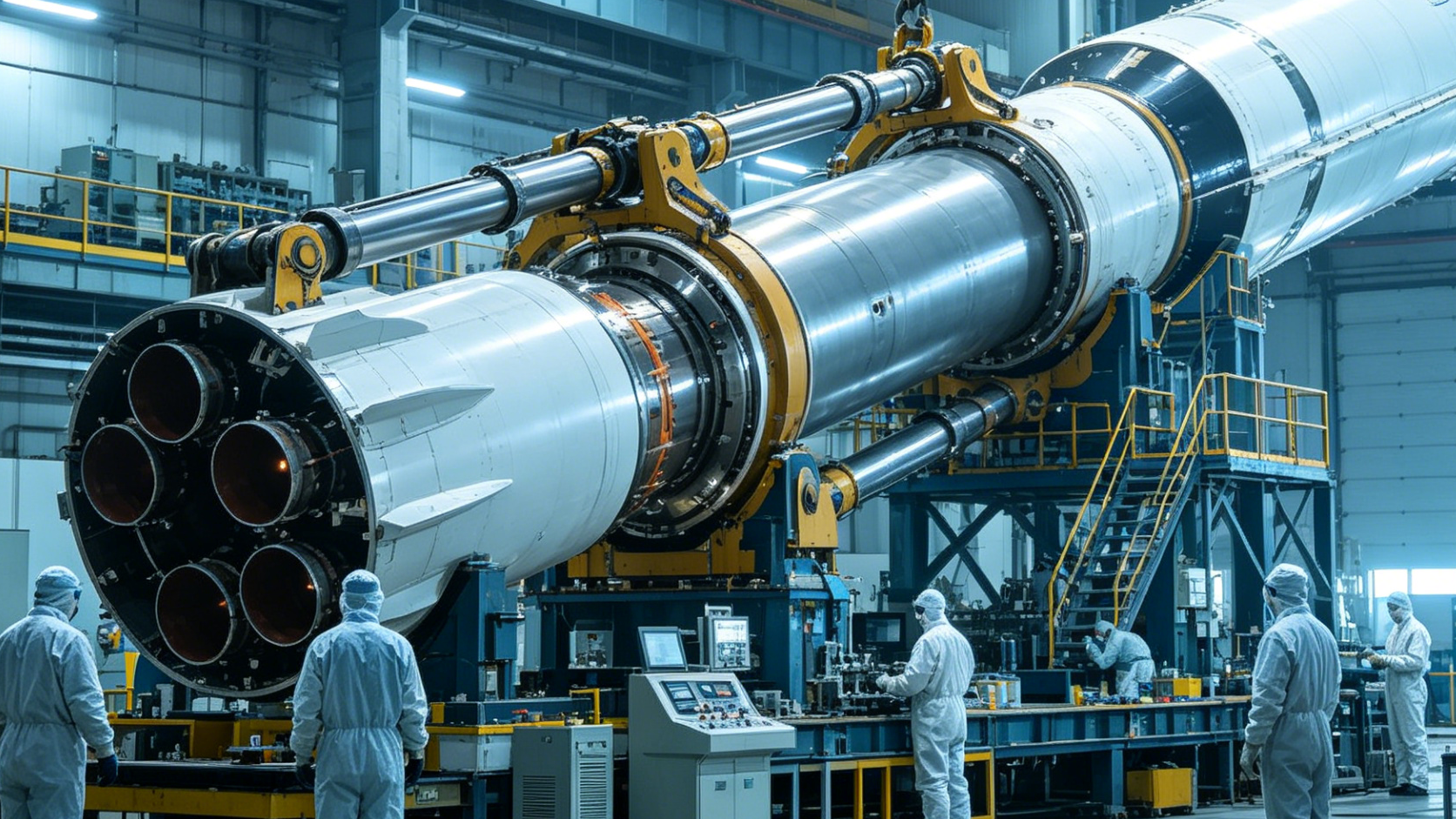
Hydraulic systems are the power source behind many heavy-duty machines used in steel mills, construction equipment, mining operations, marine engineering, and industrial manufacturing. Among all hydraulic components, the hydraulic cylinder creates force and movement, while the hydraulic cylinder valve controls how that power is delivered.
Without a reliable hydraulic cylinder valve, even the strongest hydraulic cylinder cannot work correctly. The valve controls oil flow, pressure direction, speed, and system safety. It helps the hydraulic cylinder move smoothly, stop accurately, and operate under safe pressure conditions.
At the same time, choosing reliable hydraulic valve suppliers is equally important. High-quality valves improve system efficiency, reduce leakage risks, and extend equipment life.
In this guide, we will explain how hydraulic cylinder valves work, the most common valve types, maintenance solutions, and how Shellppon helps global industrial clients improve hydraulic system performance.
Hydraulic Cylinder Valve: Why It Is Critical in Hydraulic Systems
A hydraulic cylinder valve controls the flow and pressure of hydraulic oil entering and leaving the cylinder.
Its main functions include:
- Controlling cylinder movement direction
- Regulating movement speed
- Maintaining working pressure
- Preventing overload damage
- Improving system safety
- Supporting precise machine operation
Without proper valve control, hydraulic cylinders may experience:
- Unstable movement
- Pressure loss
- Oil leakage
- Overheating
- Safety risks
- Production downtime
This is why the hydraulic cylinder valve is considered one of the most important control components in the entire hydraulic system.
Especially in industries such as steel production, even a small valve failure can affect the stability of the whole production line.
Main Types of Hydraulic Cylinder Valve Systems
Different applications require different valve designs depending on load, pressure, and movement requirements.
Directional Control Valves
Directional control valves manage the flow direction of hydraulic oil.
They decide whether the hydraulic cylinder extends, retracts, or stops.
These valves are essential for almost every hydraulic system.
They help operators control movement safely and accurately.
Pressure Relief Valves
Pressure relief valves protect the hydraulic system from excessive pressure.
When system pressure becomes too high, the valve releases extra pressure automatically.
This prevents:
- Cylinder damage
- Seal failure
- Hose bursting
- Equipment accidents
Relief valves are especially important in high-pressure systems such as rolling mills and mining equipment.
Flow Control Valves
Flow control valves regulate the speed of hydraulic cylinder movement.
They help ensure smooth operation instead of sudden or unstable motion.
This is important for:
- Precision machinery
- Heavy lifting systems
- Press machines
- AGC hydraulic cylinders in steel mills
Stable speed improves both safety and product quality.
Counterbalance Valves
Counterbalance valves prevent uncontrolled cylinder movement caused by gravity or heavy loads.
They are commonly used in:
- Cranes
- Lifting platforms
- Construction machinery
- Heavy press systems
These valves improve operator safety and load stability.
Check Valves
Check valves allow hydraulic oil to flow in one direction only.
They prevent backflow and help maintain pressure inside the system.
This improves holding performance and system protection.
Hydraulic Valve Suppliers: Why Supplier Quality Matters
Choosing reliable hydraulic valve suppliers is just as important as selecting the valve itself.
Poor-quality valves may cause:
- Internal leakage
- Unstable pressure
- Early failure
- Expensive downtime
- Repeated maintenance costs
Professional hydraulic valve suppliers provide much more than standard products.
They offer:
- Technical selection support
- Material quality assurance
- Pressure testing
- Custom valve solutions
- Long-term spare parts support
This is especially important for industries using large hydraulic cylinders under high pressure and continuous operation.
Reliable suppliers help customers avoid repeated system failures and improve long-term productivity.
Common Problems in Hydraulic Cylinder Valve Systems
Understanding valve failure helps reduce repair costs and downtime.
Internal Leakage
Internal leakage reduces system efficiency and pressure stability.
It often happens because of:
- Worn valve components
- Contaminated hydraulic oil
- Poor machining quality
This causes slow cylinder movement and unstable operation.
Pressure Instability
If the valve cannot maintain stable pressure, the cylinder may move unevenly or lose force.
Common causes include:
- Relief valve failure
- Incorrect pressure settings
- Seal wear inside the valve
This is common in high-load industrial systems.
Valve Sticking
Dust, metal particles, or poor lubrication can cause the valve spool to stick.
This creates:
- Delayed movement
- Uncontrolled motion
- Safety risks
Clean hydraulic oil is critical for preventing this issue.
External Leakage
Damaged seals or poor installation can cause oil leakage around the valve body.
Early repair prevents larger system failures.
Shellppon Case Study: Steel Mill Hydraulic Cylinder Valve Upgrade
A steel production customer experienced unstable rolling pressure and repeated oil leakage in AGC hydraulic cylinders.
The local maintenance team focused only on cylinder seal replacement, but the problem continued.
Shellppon engineers performed a complete system inspection and found:
- Pressure relief valve instability
- Internal leakage in the directional control valve
-
Share to:


