Hydraulic systems are the driving force behind many industries around the world. From steel production and mining to construction, marine engineering, and manufacturing, hydraulic systems provide the power needed for heavy lifting, pushing, pulling, and precise motion control.
Because these systems operate under high pressure and continuous load, every part must be reliable. That is why choosing the right hydraulic component supplier is extremely important.
A professional supplier does not only provide hydraulic parts. It also ensures system reliability, technical support, and long-term performance of hydraulic equipment.
In this guide, we will explain how hydraulic systems work in industry, what a hydraulic shop offers, how to choose hydraulic suppliers, and how Shellppon provides complete hydraulic solutions for global customers.
Why Hydraulic Systems Matter in Industry
Hydraulic systems refer to systems that use fluid pressure to create mechanical force and motion.
These systems are widely used because they offer:
- High power output
- Smooth and precise control
- Strong load capacity
- Reliable performance under pressure
Hydraulic systems are found in:
- Construction machinery
- Mining equipment
- Steel mills
- Marine systems
- Industrial automation
Because hydraulic systems are so powerful, every hydraulic component must be carefully designed and manufactured.
A small failure in one part can affect the entire system performance.
Hydraulic Shop: What You Can Expect from a Professional Supplier
A hydraulic shop is more than just a place that sells hydraulic parts. It is a source of technical support, replacement parts, and system solutions.
Hydraulic Parts Availability
A professional hydraulic shop provides a wide range of hydraulic parts such as:
- Hydraulic cylinders
- Pumps and motors
- Valves
- Seals and fittings
- Hoses and connectors
Having the right hydraulic parts available quickly helps reduce machine downtime.
Repair and Maintenance Support
Many hydraulic shops also support repair services. This includes:
- Seal replacement
- Cylinder repair
- Pump maintenance
- System troubleshooting
This helps extend equipment life and improve performance.
Technical Advice
Experienced shops provide advice on:
- Part selection
- System matching
- Pressure requirements
- Installation support
This helps prevent incorrect installation and future failures.
Hydraulic Parts: The Core of Every Hydraulic System
Hydraulic parts are the foundation of all hydraulic equipment. Each part plays an important role in system performance.
Hydraulic Cylinders
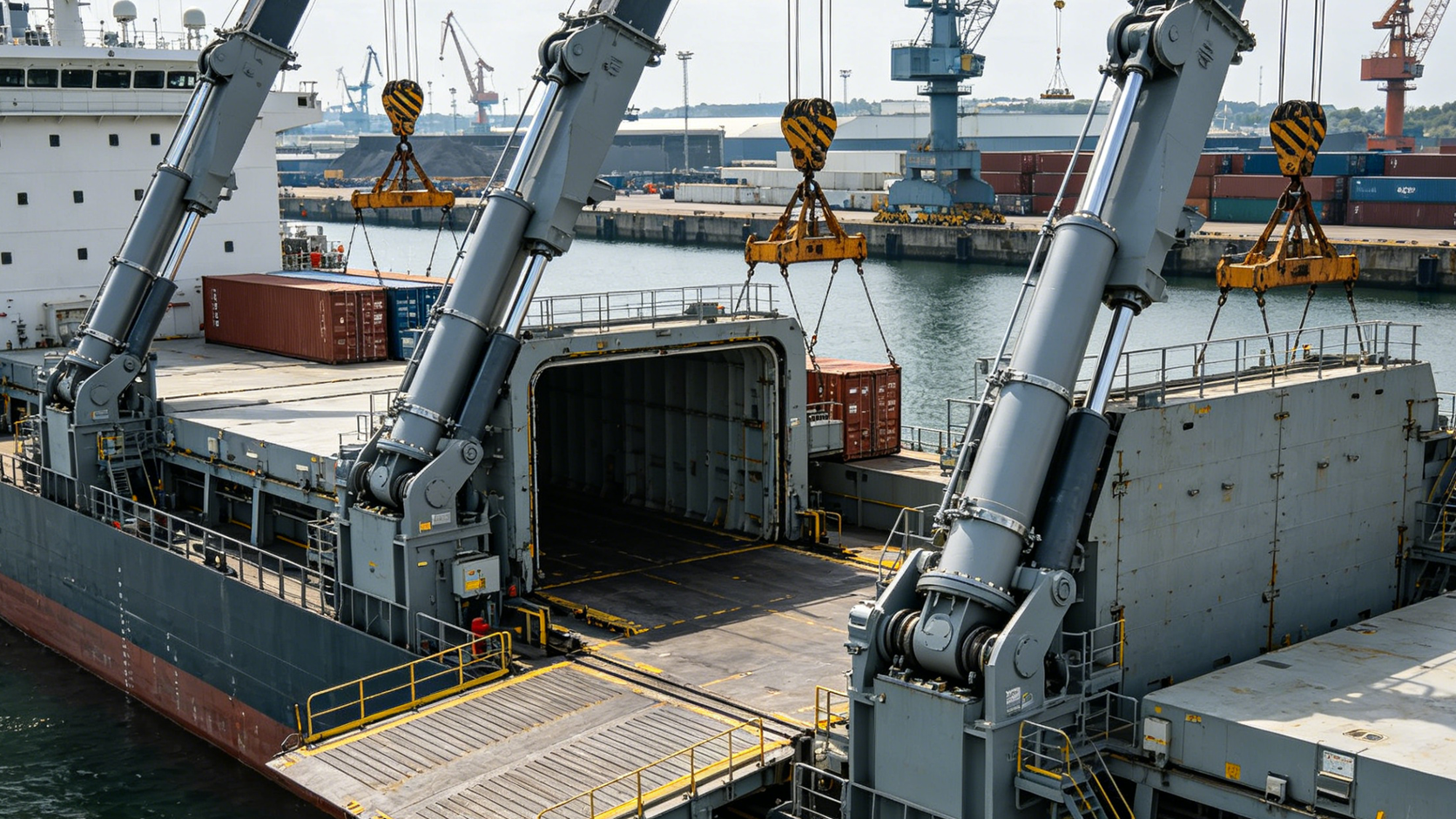
Hydraulic cylinders create linear force and movement. They are used in lifting, pressing, and pushing applications.
Hydraulic Pumps
Pumps generate pressure and flow. Without them, the system cannot function.
Hydraulic Valves
Valves control direction, speed, and pressure. They ensure safe and stable operation.
Hydraulic Seals
Seals prevent leakage and protect internal components from contamination.
Hydraulic Fittings
Fittings connect different components and ensure system stability.
Each hydraulic part must work together for smooth system performance.
Hydraulic Equipment: Industrial Power in Action
Hydraulic equipment refers to machines powered by hydraulic systems.
Common examples include:
- Excavators
- Cranes
- Press machines
- Mining drills
- Industrial lifting systems
These machines rely on strong hydraulic systems to handle heavy loads and continuous operation.
High-quality hydraulic equipment depends on reliable components from trusted suppliers.
Hydraulic Suppliers: Why Choosing the Right Partner Matters
Hydraulic suppliers play a key role in system performance and maintenance.
A reliable supplier provides:
Quality Assurance
Good suppliers ensure all hydraulic parts meet industrial standards.
Fast Supply
Quick delivery helps reduce machine downtime during repairs.
Technical Support
Professional suppliers help customers choose the right hydraulic components.
System Knowledge
Experienced suppliers understand how hydraulic systems work together.
This helps avoid incorrect part selection and system failure.
Common Problems in Hydraulic Systems
Even high-quality hydraulic equipment may face issues over time.
Oil Leakage
Caused by worn seals, damaged parts, or improper installation.
Pressure Loss
Often caused by internal wear or pump issues.
System Overheating
Can result from overload, poor fluid quality, or internal friction.
Component Wear
Continuous operation leads to wear in pumps, valves, and cylinders.
Early maintenance helps prevent serious system failure.
Shellppon Case Study: Steel Industry Hydraulic System Optimization
A steel production customer faced unstable hydraulic performance in their rolling mill system.
Problems included:
- Pressure fluctuation
- Frequent seal failure
- Reduced cylinder performance
- Unstable production output
The local hydraulic shop replaced individual hydraulic parts, but the issue continued.
Shellppon engineers performed a full system review and found:
- Mismatch between hydraulic pumps and cylinders
- Worn hydraulic valves
- Seal system inefficiency
- Pressure instability in the system
Instead of replacing only parts, Shellppon provided a complete hydraulic solution:
-
Share to:


 Custom Hydraulic Solutions: Complete Guide to Custom Hydraulic Systems for Industrial ApplicationsComplete Guide to Hydraulic Cylinder Valve Solutions and Hydraulic Valve Suppliers


