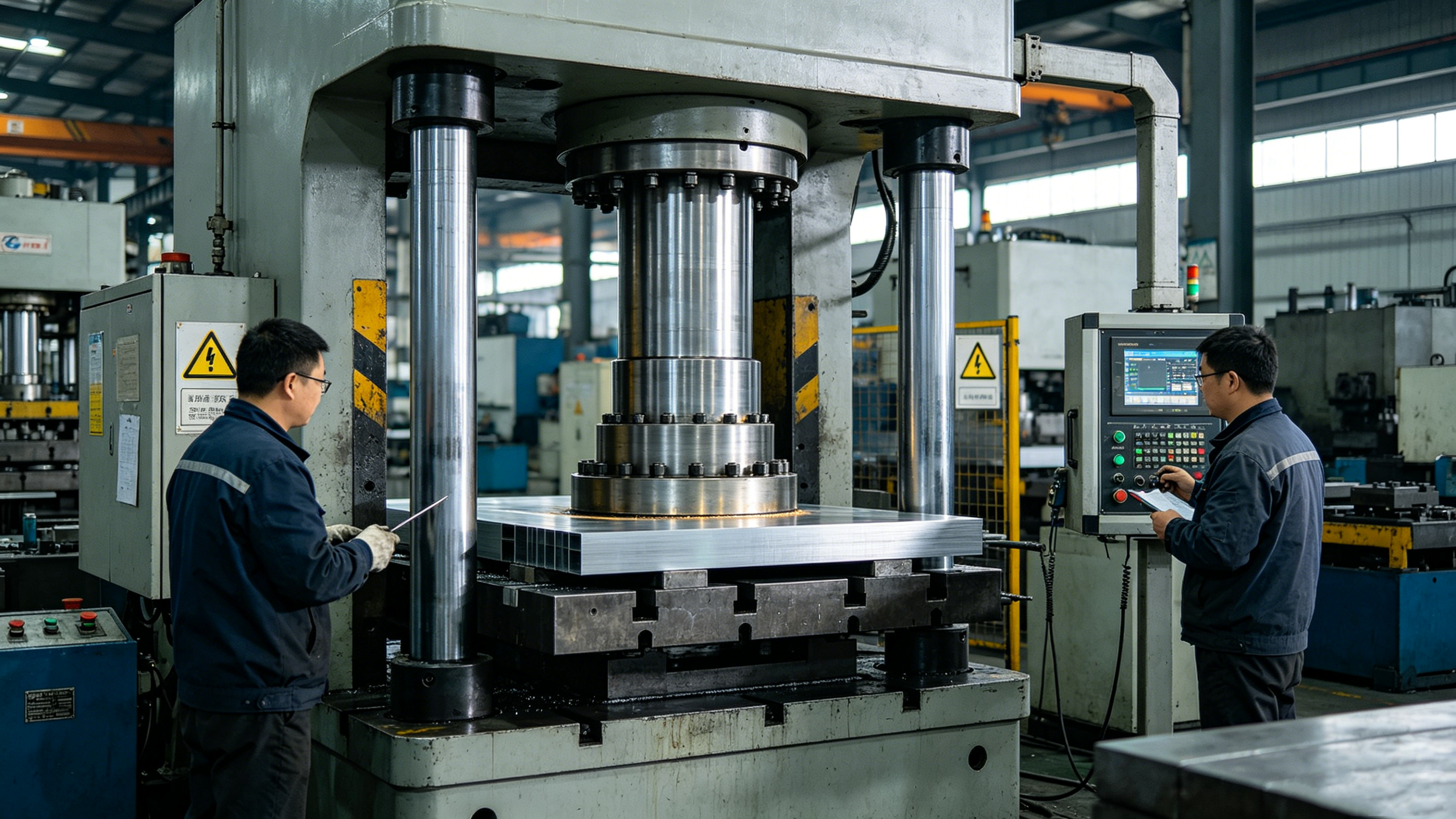
In heavy manufacturing fields, press machines need massive force to shape metal, wood, and plastics. The press machine hydraulic cylinder is the core power component that makes this happen. It changes fluid energy into strong mechanical force. Because of this, it provides the huge thrust needed for stamping, forging, extruding, and molding tasks.
Choosing the right hydraulic press oil cylinder is vital for your factory uptime. If a cylinder fails, your entire production line stops. This guide explains the main types, key features, and selection tips to help you find the best heavy-duty solution for your machinery.
1. Main Types of Press Machine Hydraulic Cylinders
Different press machines use different cylinder structures to handle specific loads. Generally, these components fall into two major categories:
Plunger Hydraulic Cylinder (Single-Acting)
The plunger hydraulic cylinder is the most popular choice for large-scale industrial presses. It is a single-acting cylinder. This means hydraulic fluid pushes the rod out, but the weight of the machine frame brings it back down.
The main advantage is that the inside of the steel tube does not need complex internal polishing. This makes it easier to build with a very long stroke. These units are perfect for massive forging presses, featuring cylinder diameters from $63\text{ mm}$ to $1000\text{ mm}$ and working pressures up to $31.5\text{ MPa}$.
Piston Hydraulic Cylinder (Double-Acting)
The piston type is a double-acting cylinder. It uses oil pressure to both push out and pull back, giving you precise speed control in both directions. Engineers often use these as main cylinders in small-to-medium presses, or as return cylinders and side cylinders in larger setups.
Helper Cylinders
To complete a full automated cycle, a main press uses several auxiliary cylinders. These include return cylinders, clamping cylinders, buffer cylinders, and die-shifting cylinders.
2. Core Structure and Heavy Industrial Specifications
A premium press machine hydraulic cylinder must withstand constant high-pressure shocks without leaking or bending. Therefore, the build quality requires top-tier materials:
-
Cylinder Body: Made from high-strength #45 forged steel or extra thick-walled steel tubes to stop structural stretching.
-
Piston Rod: Built using #45 steel or 42CrMo alloy. It undergoes quenching and tempering treatment, followed by hard chrome plating to resist surface scratches.
-
Sealing System: Uses premium imported high-pressure seals to prevent internal oil bypass during long pressure-holding cycles.
-
Mounting Styles: Front flange mounting is the most common style for press machines, but rear flange, tie-rod, and clevis mounts are also available.
3. Key Parameters for B2B Purchasing Managers
When sourcing a replacement or designing a new machine, you must check these core metrics:
-
Working Pressure: Typically $25\text{ MPa}$ or $31.5\text{ MPa}$ for heavy-duty industrial applications.
-
Thrust Capacity: Ranges from tens of tons up to tens of thousands of tons for massive industrial forging lines.
-
Stroke Length: Custom lengths ranging from $0\text{ mm}$ to $5000\text{ mm}$ depending on your factory space.
4. Common Factory Application Scenarios
These heavy-duty oil cylinders operate at the heart of many standard industrial forming machines:
-
Four-column hydraulic presses and H-frame oil presses.
-
Open-die and closed-die forging presses.
-
Hot forging machines, cold extrusion presses, and die casting equipment.
-
Powder forming presses, laminating machines, and industrial assembly lines.
Shellppon Solutions: Custom Forging Press Cylinders
At Shellppon, we build heavy-duty industrial cylinders that can handle high-frequency work cycles. We know that B2B buyers need reliable components that resist sudden pressure spikes.
Case Study: Powder Molding Press Upgrade
A manufacturing plant was experiencing frequent oil leaks on their powder molding press line. The old cylinders used low-grade seals that degraded under continuous $31.5\text{ MPa}$ pressure-holding cycles.
The Shellppon Intervention:
We designed a custom heavy duty press cylinder manufacturer solution. We used a premium forged #45 steel body, an induction-hardened piston rod, and high-performance imported seals. We also added an integrated hydraulic cushion to smooth out rapid stroke reversals.
The Results:
-
Zero Leakage: The upgraded sealing system held peak pressure perfectly during long molding times.
-
Faster Cycle Times: The built-in buffer allowed the machine to run at higher speeds without shaking the frame.
-
Longer Component Life: The plant cut down on maintenance stops, saving thousands of dollars in monthly repair costs.
5. Summary Checklist for Sourcing Press Cylinders
To get a fast and accurate quote from a supplier, make sure to confirm these four points before ordering:
-
Force and Stroke: Define your required total tonnage, maximum working pressure, and exact stroke length.
-
Mounting Method: Decide if your machine layout requires a front flange, rear flange, or clevis installation.
-
Speed and Cushioning: Check if your system needs fast stroke movement or slow, cushioned stops to protect the tooling dies.
-
Environment: Note if the cylinder will work near high-heat furnaces, under high-frequency load cycles, or with specific fire-resistant hydraulic fluids.
Conclusion
A high-quality press machine hydraulic cylinder is the key to maintaining stable production in any stamping, forging, or molding factory. By choosing premium forged bodies and hardened chrome rods, you safeguard your machinery from expensive fluid leaks and pressure drops.
Whether you need a massive plunger hydraulic cylinder for a heavy metal press or a custom double-acting side cylinder, Wuxi Shibang Machinery can help. Visit shellpponhydraulic.com today to talk with our engineering center and secure a powerful hydraulic solution built for your business.


