
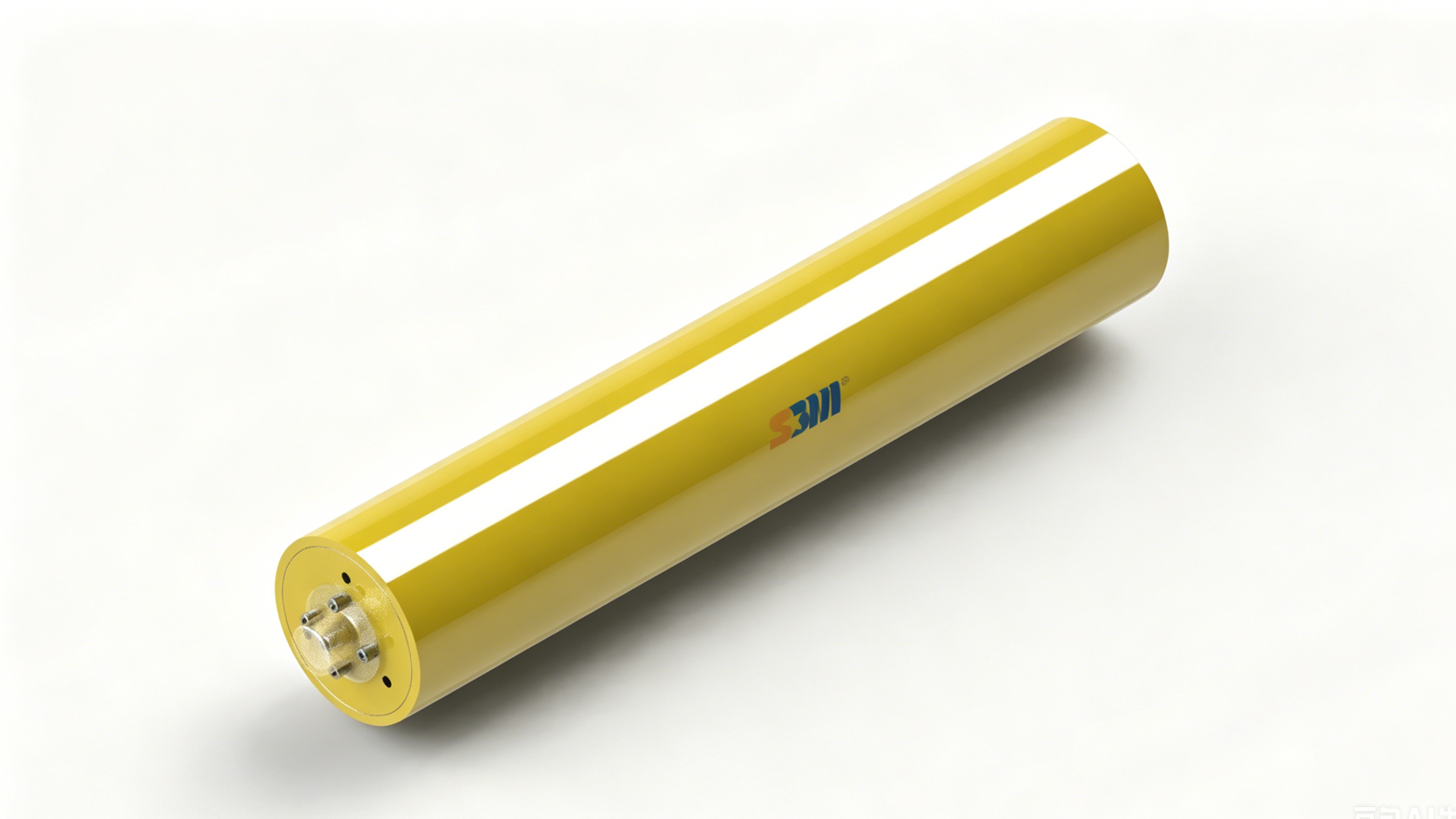
In modern factory systems, managing pressure spikes and saving energy are very important. A piston hydraulic accumulator uses a solid metal piston to separate hydraulic oil from pressurized nitrogen gas. Because of this strong design, it seals well, lasts a long time, and handles high pressure easily.
Compared to standard bladder accumulators, the piston type is much better for harsh work sites, big oil flows, and extreme temperatures. However, if you want to export your machinery to Europe, your equipment must meet strict safety laws. This guide explains how these units help your machines and how to get a CE certified hydraulic accumulator using the trusted CE 0036 standard.
Why CE 0036 (TÜV SÜD) is Vital for European Sales
Any pressure equipment sold in the European Union (EU) must follow the Pressure Equipment Directive (PED 2014/68/EU). The group you choose to check your equipment matters a lot.
The number 0036 belongs to TÜV SÜD (TÜV South Germany). It is the most popular and respected testing group in Europe for hydraulic systems, cylinders, and pressure tanks. While other groups like TÜV Rheinland (0035) focus mostly on electrical items, TÜV SÜD is the top choice for heavy industrial hydraulics. As a professional fluid power manufacturer, Shellppon proudly holds this official CE 0036 certification for its product lines, ensuring smooth entry into the European market.
Certification Paths and Rules
Depending on the size and pressure of your piston hydraulic accumulator, you must follow specific testing paths:
-
Small Accumulators: For low volume and pressure under 100 bar, Modules B+D are used.
-
High-Pressure or Large Accumulators: These require Modules B+F. This is the most common path for heavy industrial setups.
-
Core Design Standards: Testing relies on EN 13445 for pressure tanks, EN 10264 for hydraulic accumulators, and EN 10028 for pressure steel.
Where Heavy-Duty Piston Accumulators Work Best
B2B buyers choose a piston hydraulic accumulator because it works perfectly in many tough industrial areas:
-
Construction Machinery: Used in excavators, loaders, and drilling rigs to block sudden shocks, hold system pressure, and supply emergency oil.
-
Steel Mills: Installed in rolling mills and casting machines to stop pressure vibrations and keep system force steady.
-
Factory Machine Tools: Helps large injection molding machines and metal presses deliver fast, heavy oil flows. This lets factory managers use smaller oil pumps and save electricity.
-
Wind Power: Supports wind turbine brakes because it can handle strong outdoor shaking.
-
Ships and Ports: Operates boat cranes and deck machines safely while resisting salt-water rust.
-
Mining and Petroleum Equipment: Used in oilfield wellheads and underground mining machines to act as an explosion-proof emergency power source.
Four Key Ways These Units Protect Your System
A premium accumulator acts as a multi-purpose safety net for your machinery. It handles four vital jobs:
-
Storing Energy: It gives big flows of oil instantly when needed. This lets you buy a smaller, cheaper main pump.
-
Holding Pressure: It stops pressure drops caused by tiny oil leaks in clamping or pressing circuits. This keeps the holding force perfectly steady.
-
Stopping Shocks: It dampens rapid pressure vibrations. This protects fragile valves, hydraulic cylinders, and steel pipes from cracking.
-
Emergency Power: If the factory loses power or the pump breaks, the stored energy can safely close or retract heavy machine parts.
Technical Advantages Over Bladder Accumulators
When picking a fluid power component for extreme setups, you should consider why a piston model beats a bladder model:
-
Higher Pressure and Larger Volume: Piston types can scale up to much larger capacities and manage higher pressure limits.
-
Extreme Temperature Range: They operate smoothly from -40°C up to +120°C with the right seal selection.
-
Fluid Contamination Resistance: The solid piston is less likely to fail if small dirt particles enter the oil loop.
-
Longer Service Life: They offer simple maintenance and lower long-term costs. Plus, they are much easier to pass through the CE PED 0036 certification process for European export.
Required Papers and Nameplate Data for CE 0036 Approval
To get the CE 0036 mark through an agency or maker, you must prepare these technical documents:
-
Full assembly drawings and blueprints of the pressure body.
-
Official material certificates with heat numbers for the steel tube, piston, and end caps.
-
Water pressure test reports and gas leak test records.
-
Simple safety risk analysis and English instruction manuals.
-
Welding process qualifications (WPS/PQR) if the design includes welded joins.
The certification timeline generally takes about 4 to 6 weeks. This duration includes product sample testing and a complete manufacturing factory audit.
Must-Have Nameplate Markings
Once approved, the metal nameplate on the cylinder body must clearly show the CE 0036 mark along with the maximum working pressure, volume size, fluid type, temperature limits, serial number, manufacturing year, and factory details.
Conclusion
Buying a piston hydraulic accumulator with a real TÜV SÜD PED accumulator certificate is the best way to ensure business success in global markets. It combines great durability, wide temperature use, and easy international sales.
Whether you are preparing a machine for the Hannover Messe trade show or upgrading a heavy factory press line, Shellppon can help you succeed. As an industry leader, Shellppon holds the official CE 0036 certificate for this piston hydraulic accumulator, proving our quality meets the strict pressure rules of Europe. Visit shellpponhydraulic.com today to talk with our engineering center and find a certified hydraulic solution built for your success.


