How to Choose a Custom Hydraulic Cylinder Manufacturer: 14 Questions for Industrial Buyers
News Details
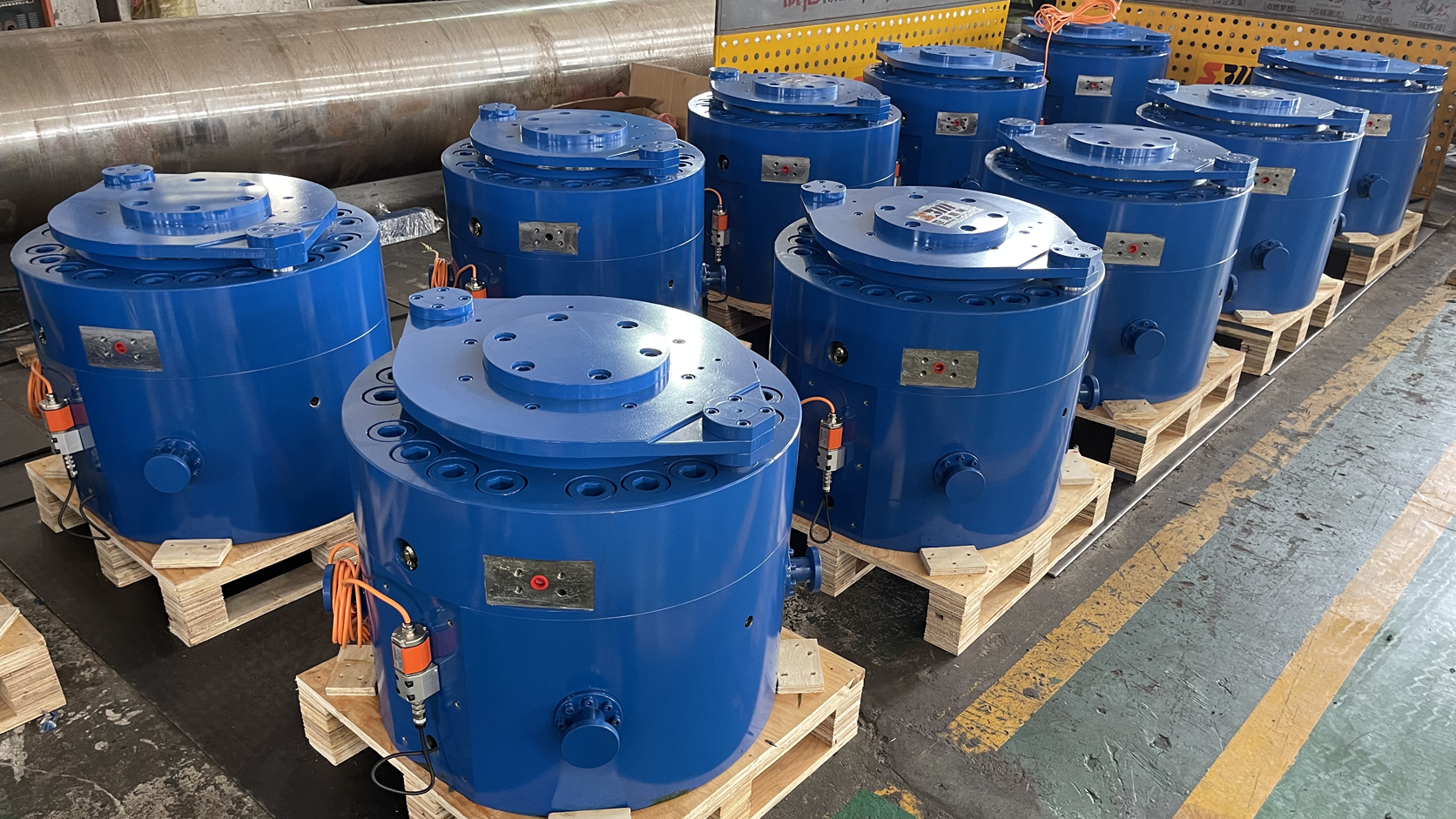
Selecting the right partner for your machinery is a critical decision. A single cylinder failure can pause an entire production line or create safety hazards on a job site. Therefore, finding an experienced custom hydraulic cylinder manufacturer is crucial for long-term performance and reliability.
Whether you are designing heavy construction machinery, agricultural equipment, or marine systems, you need components built to your exact specs. To help you evaluate potential partners, here are 14 vital questions every industrial buyer should ask before placing an order.
Engineering and Design Capabilities
1. Do you design custom cylinders from scratch, or do you only modify standard models?
Some suppliers only make small tweaks to existing standard products. However, true OEM projects often need ground-up design work. A reliable OEM hydraulic cylinder manufacturer will analyze your working environment, pressure requirements, and mounting constraints to build an ideal solution.
2. What CAD software and simulation tools do your engineers use?
Modern design relies on advanced tools. Ask if their team uses 3D CAD modeling and Finite Element Analysis (FEA). As a result, engineers can spot stress points and weak areas before manufacturing starts.
3. Can you help us select the right materials and seals?
Operating conditions vary wildly. For instance, extreme temperatures, corrosive saltwater, and heavy dust require different seal kits and rod coatings. Your supplier should guide you on whether chrome-plated steel, stainless steel, or specialized alloy steel fits your application best.
Manufacturing and Facility Capabilities
4. What are your factory’s core manufacturing capabilities?
It helps to know what machinery the supplier runs in-house. A top-tier hydraulic cylinder factory China should have CNC machining centers, precision honing machines, automated welding systems, and dedicated assembly lines. In-house production gives the supplier better control over quality and timelines.
5. What range of bore sizes, stroke lengths, and pressures can you handle?
Heavy industrial applications often require large-bore or long-stroke designs operating above 3,000 PSI (21 MPa). Consequently, you must confirm that the factory’s machinery can physically handle your dimensions and pressure limits.
6. How do you manage raw material sourcing and traceability?
High-quality cylinders start with high-quality steel tubing and bar stock. Therefore, ask if raw materials come with mill test certificates. Traceability ensures that every component meets rigorous strength standards.
Quality Assurance and Testing
7. What quality certifications do you hold?
Look for international standard certifications like ISO 9001:2015. These standards prove that the factory maintains consistent manufacturing processes and strict quality control protocols across every batch.
8. What testing procedures does every cylinder undergo before shipping?
Never skip this question. Ask if 100% of finished units undergo pressure testing and leak testing. In addition, inquire about specialized testing like pulse testing, salt spray testing for rod coatings, or clean room assembly.
9. How do you handle non-conforming parts or defect claims?
Even the best factories encounter occasional issues. What matters is how they respond. A responsible supplier will have a clear root-cause analysis process (such as an 8D report) to solve defects quickly and prevent future occurrences.
Business Operations and Global Logistics
10. What is your standard lead time for prototypes and mass production?
Time-to-market is vital for equipment builders. Ensure the manufacturer gives clear timelines for design approval, sample prototyping, and full-scale production runs.
11. Do you have experience exporting to global markets?
If you source internationally, your partner must understand overseas shipping, export packaging, and customs clearance. Working with a proven team, such as the specialists at Shellppon Hydraulic, ensures your cylinders arrive safely without supply chain delays.
12. What are your Minimum Order Quantities (MOQs)?
Some suppliers focus only on high-volume runs, while others welcome low-volume custom prototypes. Clarification on MOQs early on saves time for both parties.
Partnership and Support
13. What warranty terms and aftermarket support do you offer?
A strong warranty shows confidence in product quality. Ask about warranty coverage duration, replacement policies, and spare parts availability.
14. Can you provide customer references or case studies?
Finally, ask for testimonials or real-world project examples from buyers in your industry. Seeing past projects gives you a clear picture of their technical capability and service style.
Partnering for Long-Term Success
Asking these 14 questions gives you a clear roadmap to vet any prospective supplier. When you partner with an experienced custom hydraulic cylinder manufacturer, you protect your machinery from costly downtime and build better products for your end users.
If you are looking for a reliable manufacturing partner with comprehensive engineering support and strict quality control, explore our solutions or reach out directly to the team via our Contact Us page to discuss your custom project requirements today.


