In modern heavy manufacturing, generating massive, controlled force is essential for shaping raw materials. Whether you are stamping automotive parts, forging metals, or pressing composite materials, you need hardware that delivers brute strength with high precision. For decades, the industrial sector has relied on the hydraulic press machine to handle these punishing workloads safely and efficiently.
Understanding the underlying technology behind these massive systems helps procurement managers and engineers choose the right equipment. Below, we break down the core mechanics of fluid power and look at how modern systems drive factory automation forward.
How Does a Hydraulic Press Work?
To understand why these systems are so powerful, we must ask a fundamental question: how does a hydraulic press work? At its core, a hydraulic press operates on Pascal's Principle, which states that pressure applied to a confined fluid transmits undiminished throughout the liquid.
The machine utilizes an interconnected system of cylinders, pistons, and high-pressure hydraulic oil. When a pump forces a small amount of oil into a narrow cylinder, the fluid pushes a small piston down. This liquid moves through high-strength piping into a much larger cylinder. Because the surface area of the second cylinder is vastly larger, the pressure multiplies exponentially. This multiplication of fluid force drives the heavy main ram downward with thousands of tons of continuous crushing power.
Core Applications of a Hydraulic Press Machine
Because these machines offer highly adjustable pressure and stroke settings, they are vital across multiple manufacturing sectors. As illustrated by the industrial equipment display in image_d000e6.jpg, a high-capacity hydraulic press machine serves three main application fields:
-
Metal Forming and Forging: Forcing raw steel or aluminum sheets into complex structural shapes without cracking the metal matrix.
-
Automotive Industry Component Pressing: Stamping out body panels, structural brackets, and safety components with perfect repeatability.
-
Powder Metallurgy and Composite Material Pressing: Compacting fine metal powders or bonding advanced composite layers under immense, steady heat and pressure.
To support these demanding tasks, manufacturers likeWuxi Shibang Machinery (Shellppon) leverage over 20 years of professional manufacturing experience. They construct heavy-duty press lines with capacities ranging from 100T up to a massive 3000T to fit diverse industrial blueprints.
Expanding Control with Advanced Rotary Technology
While a standard vertical press handles linear compression, modern factories frequently require matching linear force with flexible angular movements. For instance, automated production cells must rotate heavy components, flip stamping fixtures, or feed raw sheets into the machine bed at exact angles.
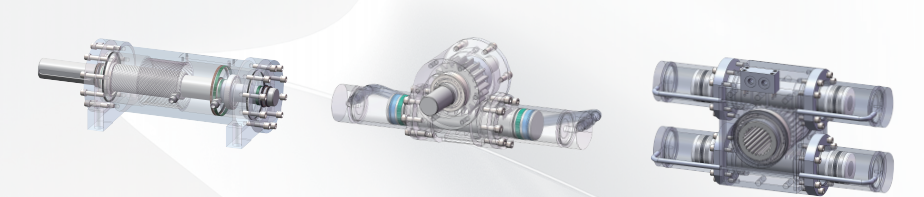
To bridge this gap, engineers integrate specialized rotary actuators alongside traditional press lines. As shown in the technical overview within image_d000c6.jpg, modern hydraulic technology delivers both flexible angles and strong power. These specialized rotary units excel across four key areas:
-
Industrial Automation: Executing smooth robot arm rotation, quick fixture turnover, and fast material transposition between work cells.
-
Construction Machinery: Powering excavator rotary platforms and heavy crane rotary mechanisms on rugged jobsites.
-
Energy Fields: Driving the hydraulic actuation of high-pressure pipeline valves or heavy water gates.
-
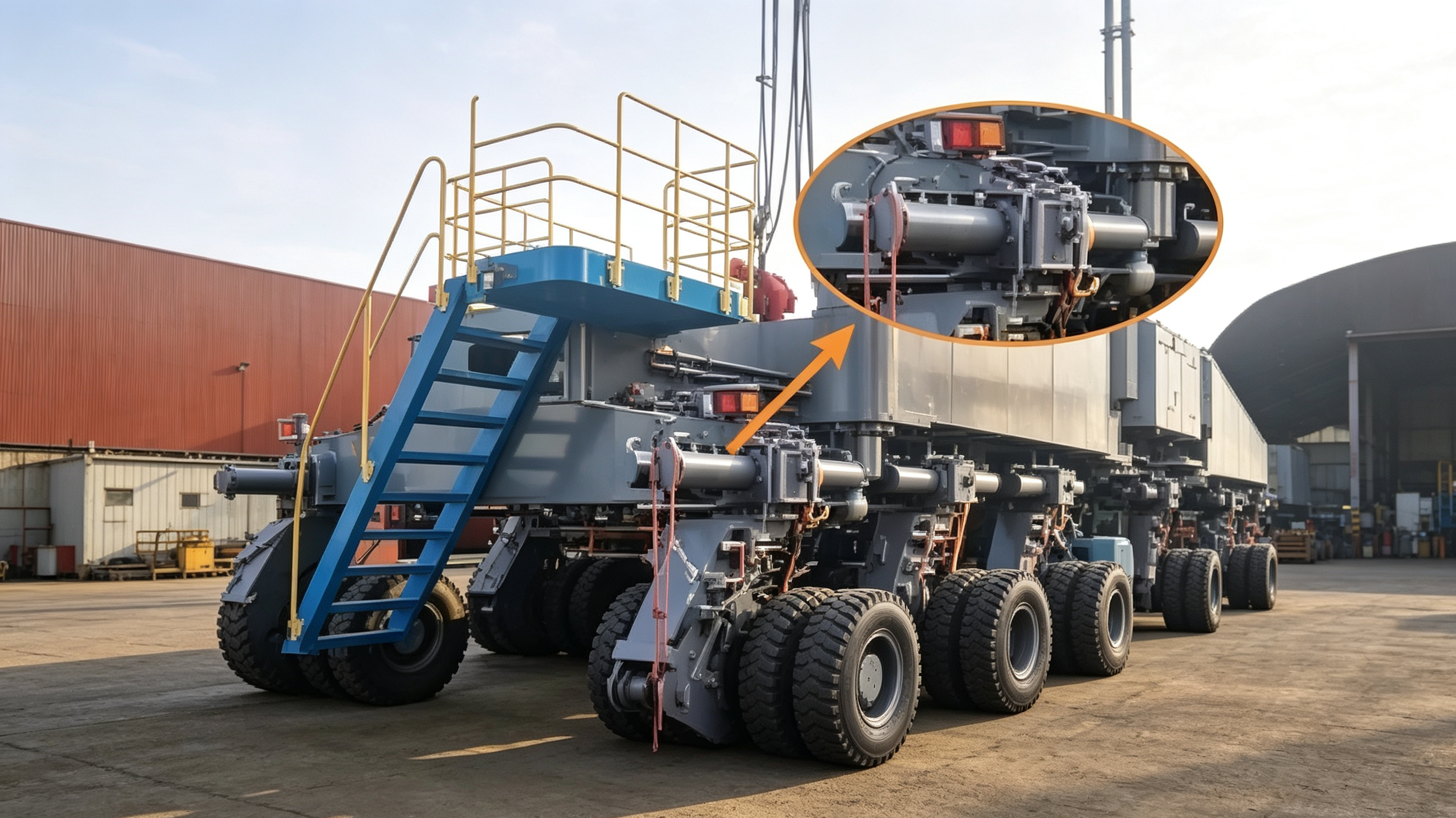
Special Equipment: Controlling commercial ship steering gears and multi-axle heavy vehicle steering systems.
While conventional setups operate at fixed control angles of 90, 180, or 360 degrees, premium systems can be fully customized to any angle. Furthermore, adding an integrated angle sensor allows the automated network to track position telemetry in real-time, preventing alignment errors.
Conclusion
Investing in a premium hydraulic press or rotary actuation system is the smartest way to boost factory uptime and ensure operational safety. By forcing fluid through heavy-duty forged cylinders and rigid valve blocks, these systems turn simple pump pressure into the massive force needed to shape the modern world.
Whether you need to source a large-scale 3000T press line or configure a custom-angle rotary actuator, choosing an experienced, certified partner protects your machinery investment. Contact an authorized application engineering desk today to review your project specifications and secure a rugged fluid power solution built for long-term industrial growth.


