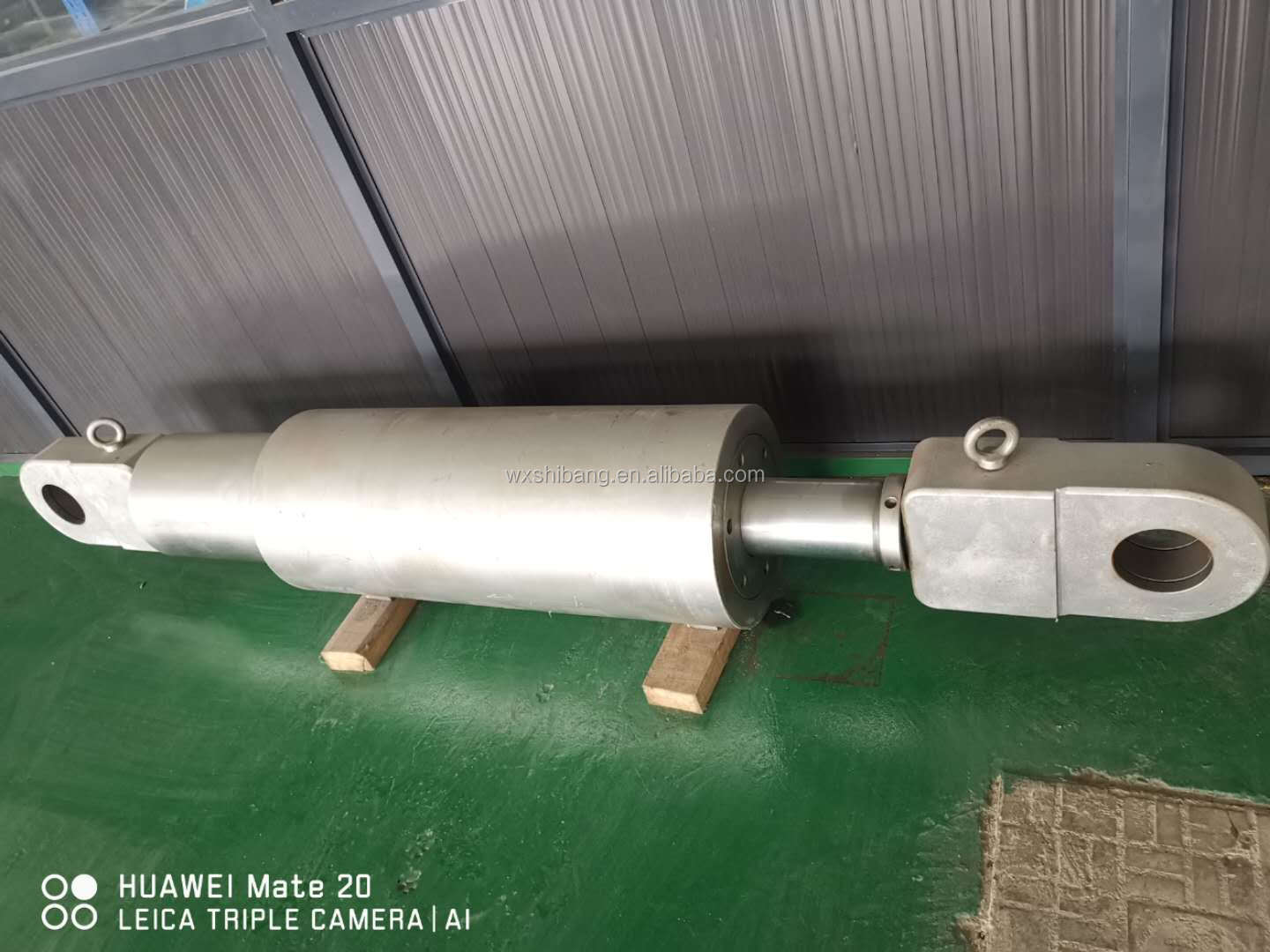
In the world of industrial machinery, controlling motion is just as important as creating it. When heavy equipment moves too fast or stops too suddenly, it creates violent vibrations and harsh impacts. Over time, these sudden forces crack metal frames, ruin delicate electronics, and tear up internal seals. To stop this damage, engineers install a specialized component known as ahydraulic damperto absorb the impact energy and keep movements smooth.
Whether you call it a hydraulic shock absorber or a fluid dashpot, this component acts as a safety shield for your machines. By learning how these parts work, you can select the right hardware to protect your automated factory lines and extend your equipment's working life.
What is a Hydraulic Damper?
A hydraulic damper is a specialized fluid power component designed to control, slow down, or dampen motion. Unlike a standard hydraulic cylinder that uses oil pressure to push a heavy load, a damper does not create any movement on its own. Instead, it acts as a motion brake.
To put it simply, it takes kinetic energy (the energy of movement) and turns it into thermal energy (heat). When an outside force pushes against the unit, the damper creates a smooth, resistive force to slow that movement down safely. In the engineering world, you might also hear people refer to these devices as hydraulic shock absorbers or adjustable damping cylinders.
How a Hydraulic Shock Absorber Works
The science behind a shock absorber hydraulic circuit is actually quite simple. Inside the unit, a steel piston rod sits inside a sealed chamber filled with specialized hydraulic oil. When an object hits the piston rod, it forces the piston to slide through the oil chamber.
As the piston moves, it pushes the hydraulic oil out of one chamber and forces it into the next. However, the oil cannot flow freely. It must pass through tiny, precisely engineered holes called orifices or special control valves.
Because oil cannot be compressed easily, forcing it through these small openings creates intense fluid resistance. This resistance generates a powerful damping force that opposes the direction of the moving load. As a result, the moving machine slows down to a smooth, controlled stop instead of slamming hard against a solid frame.
Key Types of Hydraulic Shock Absorbers
Not all industrial damping jobs are the same. For example, some factory lines run at a single fixed speed, while other automated setups change daily. Because of these varying needs, manufacturers build different styles of hydraulic shock absorbers:
-
Fixed Damping Units: These models feature standard, fixed orifice sizes that you cannot change. They offer a simple structure and work perfectly for machines that handle the exact same weight and speed all day long.
-
Adjustable Hydraulic Dampers: These units feature an external knob or adjustable valve. By turning the knob, you can change the size of the internal orifice to increase or decrease the resistive force. This flexibility makes them ideal for custom engineering projects.
-
Temperature Compensated Models: Hydraulic oil becomes thin when it gets hot and thick when it gets cold. These smart units feature built-in compensation mechanisms to keep the damping force steady, even when factory temperatures shift.
-
Single vs. Double Acting: A single-acting unit provides resistance in only one direction, like the extension stroke. On the other hand, a double-acting design dampens movement during both the extension and retraction strokes.
Real-World Applications for Fluid Damping
Industrial facilities use these rugged parts in thousands of different machine setups to safeguard their investments. You will commonly find a high-quality hydraulic damper running in these core industrial sectors:
-
Industrial Automation: Stopping high-speed robot arms safely, slowing down heavy conveyor gates, and cushioning automated pick-and-place fixtures.
-
Safety Gates and Heavy Valves: Preventing large industrial doors, security gates, and high-pressure fluid valves from slamming shut too hard.
-
Material Handling Platforms: Softening the impact at the end of travel tracks for heavy storage cranes, hoists, and factory lift systems.
Conclusion
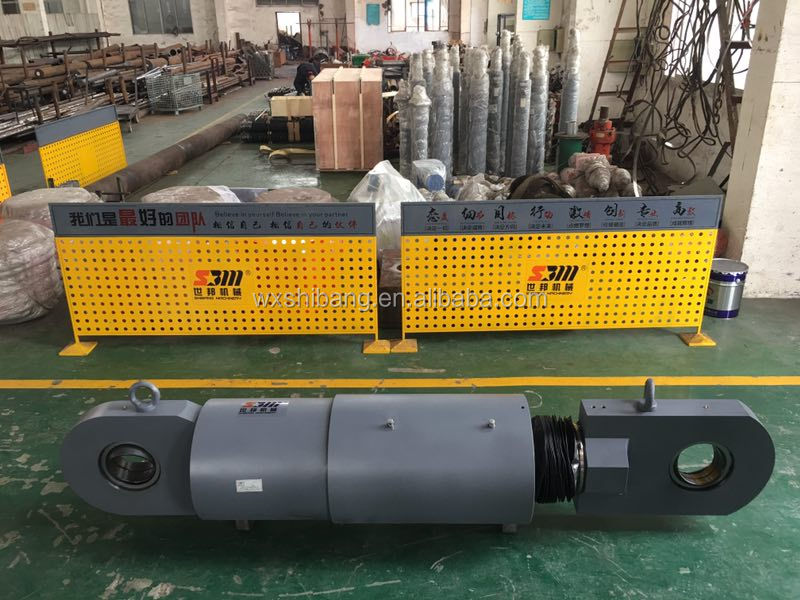
Investing in premium hydraulic shock absorbers is the easiest way to safeguard your industrial machinery from destructive impact forces. By forcing fluid through precise orifices, these devices smooth out violent movements and prevent sudden breakdowns.
Are you looking to upgrade your automated production lines, organize a bulk component sourcing plan, or customize your equipment layout? Choosing high-grade fluid damping parts keeps your hardware running quietly, safely, and efficiently for a long time to come.


