What Is A Hydraulic Cylinder?
News Details
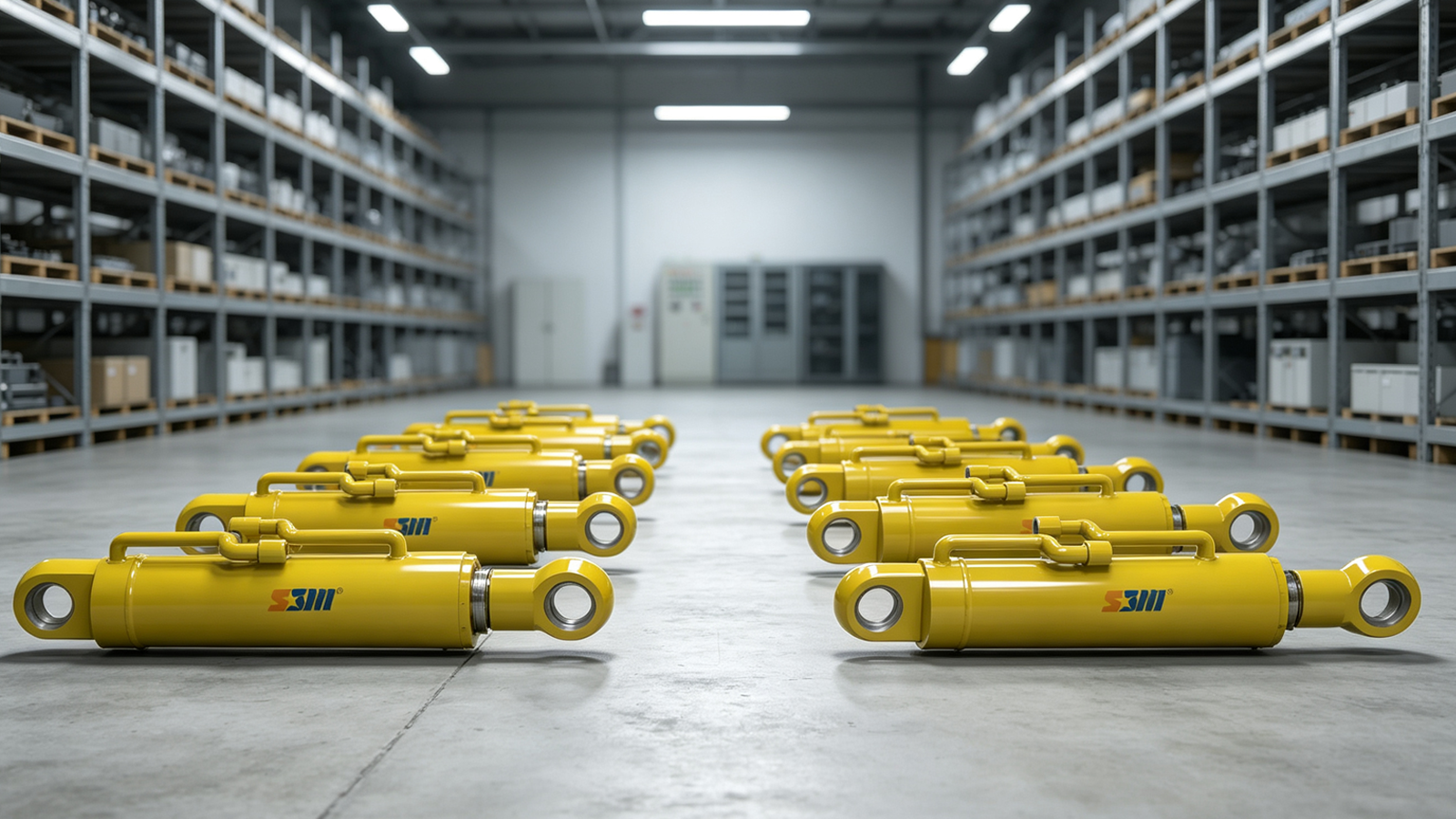
In industrial manufacturing, construction, and heavy machinery, fluid power plays a vital role. At the heart of this technology is thehydraulic cylinder. Whether lifting heavy loads, driving earth-moving equipment, or operating high-precision press machines, these devices convert fluid energy into powerful linear force.
If you are sourcing machinery components or looking for reliable hydraulic cylinders for sale, understanding how they function is crucial. In this guide, we will break down what a hydraulic cylinder is, how it works, its key parts, and the main types available today.
What Is A Hydraulic Cylinder?
A hydraulic cylinder is a mechanical actuator that uses pressurized fluid to create linear motion and force. Unlike electric motors that produce rotary movement, a cylinder pushes or pulls in a straight line.
It works on a basic principle of fluid dynamics: fluid cannot easily compress. When hydraulic oil pumps into a sealed chamber, it presses against internal surfaces, creating massive force. Because of this power, hydraulic cylinders are essential in heavy industries like metallurgy, mining, construction, and agricultural equipment.
Key Parts of a Hydraulic Cylinder
To understand how a cylinder operates, you need to look at its internal assembly. Each component must fit tightly and withstand extreme pressures. Here are the primary parts of a hydraulic cylinder:
-
Cylinder Barrel: The seamless outer tube that holds the internal pressure and housing.
-
Cylinder Base or Cap: The rear enclosure that seals one end of the barrel.
-
Cylinder Head or Gland: The front enclosure through which the rod extends. It holds key seals to prevent leaks.
-
Hydraulic Cylinder Piston: A precision-machined disc inside the barrel. The hydraulic cylinder piston separates the internal pressure zones and transfers force directly to the piston rod.
-
Piston Rod: A hardened, chrome-plated steel bar connected to the piston that extends outside to move the external load.
-
Seals and Bearings: O-rings and wear rings that prevent fluid leaks between internal chambers and keep external dirt out.
Together, these hydraulic cylinder components form a sealed, durable system built to perform under high stress and continuous operation.
How Does a Hydraulic Cylinder Work?
The operation of a cylinder is simple yet powerful. Hydraulic fluid, typically oil, is pumped from a reservoir into one end of the cylinder barrel.
As fluid enters, pressure builds rapidly against the face of the hydraulic cylinder piston. This pressure forces the piston to slide forward along the barrel, pushing the piston rod outward. To reverse the movement, fluid is directed to the opposite side of the piston or released so an external load can push the rod back in.
This mechanical system allows operators to control heavy loads with exceptional power, speed, and accuracy.
Main Types of Hydraulic Cylinders
While all models share similar basic principles, they are divided into two primary operational types based on how fluid acts inside them:
1. Single Acting Hydraulic Cylinder
A single acting hydraulic cylinder applies pressure in only one direction. Hydraulic fluid enters through a single port to push the piston out.
To return the piston to its starting position, the system relies on external force—such as gravity, a mechanical spring, or the weight of the load itself.
-
Best For: Straightforward applications like hydraulic jacks, dump truck lifts, and simple clamping machinery.
-
Advantages: Uses fewer valves, requires simpler plumbing, and costs less to install.
2. Double Acting Hydraulic Cylinder
A double acting hydraulic cylinder features fluid ports at both ends of the barrel. Hydraulic oil is pumped into one side to extend the piston rod, and into the opposite side to retract it.
Because fluid pressure controls both directions, this design delivers smooth, predictable power in both push and pull movements.
-
Best For: Complex equipment requiring total control, such as excavator arms, industrial presses, and steering systems.
-
Advantages: Superior control, consistent speed, and higher flexibility in demanding cycles.
Choosing the Right Hydraulic Cylinder for Your Application
Selecting the right equipment is key to keeping downtime low and productivity high. When searching for commercial hydraulic cylinders, consider these main factors:
-
Operating Pressure & Load: Make sure the cylinder handles your maximum load requirements without strain.
-
Stroke Length: Measure how far the piston rod needs to extend to complete the task.
-
Mounting Style: Choose suitable mounting fixtures (such as clevis, flange, or trunnion) to fit your equipment setup.
-
Environment:If working in severe outdoor conditions, select cylinders with specialized surface treatments to resist rust and wear.
Final Thoughts
A hydraulic cylinder is a core component in modern mechanical systems. By using pressurized fluid, it allows heavy machinery to execute tasks that would otherwise be impossible. From simple hydraulic single acting cylinder designs to heavy-duty custom systems, understanding these components helps you make better choices for your equipment operations.
If you are evaluating options for your next project, explore quality hydraulic cylinders for sale from trusted manufacturer Shellppon Hydraulic to ensure safety, efficiency, and long service life.


