What is the Difference Between a Hydraulic Cylinder and a Pneumatic Cylinder?
News Details
Selecting the right linear actuator is a crucial engineering decision for any industrial motion system. Both hydraulic cylinders and pneumatic cylinders convert fluid power into linear motion. However, they rely on entirely different working fluids, operating pressures, and structural mechanics.
Understanding these technical distinctions ensures high system efficiency, long operational life, and optimal return on investment for machinery manufacturers and plant operators.
Core Working Principle: Liquid vs. Air
The most fundamental difference between these two systems lies in the medium used to transfer force.
-
Hydraulic Systems: A hydraulic cylinder uses an incompressible liquid medium, typically refined hydraulic oil. Because oil cannot be compressed under normal operating conditions, hydraulic force provides high stiffness, smooth motion, and immense load capacity.
-
Pneumatic Systems: Conversely, a pneumatic cylinder uses compressed air or inert gas. Air is naturally compressible, meaning pneumatic systems store energy like a spring. This allows for high-speed linear strokes, but it makes precise position control under varying loads more challenging.
Pressure Capacity and Force Output
Operating pressure dictates how much mechanical force a cylinder can produce for a given bore size.
-
High-Force Hydraulics: Standardhydraulic cylinders operate at pressure ranges from 1,000 PSI to over 10,000 PSI (70 to 700 bar). Consequently, a compact hydraulic unit can push, lift, or pull extremely heavy loads in construction equipment, press machinery, and heavy industrial automation.
-
Moderate-Force Pneumatics: In contrast, pneumatic systems typically operate at lower pressures between 80 PSI and 150 PSI (5.5 to 10 bar). Therefore, pneumatic actuators are ideal for light-to-medium industrial tasks such as packaging, sorting, and high-speed pick-and-place assembly.
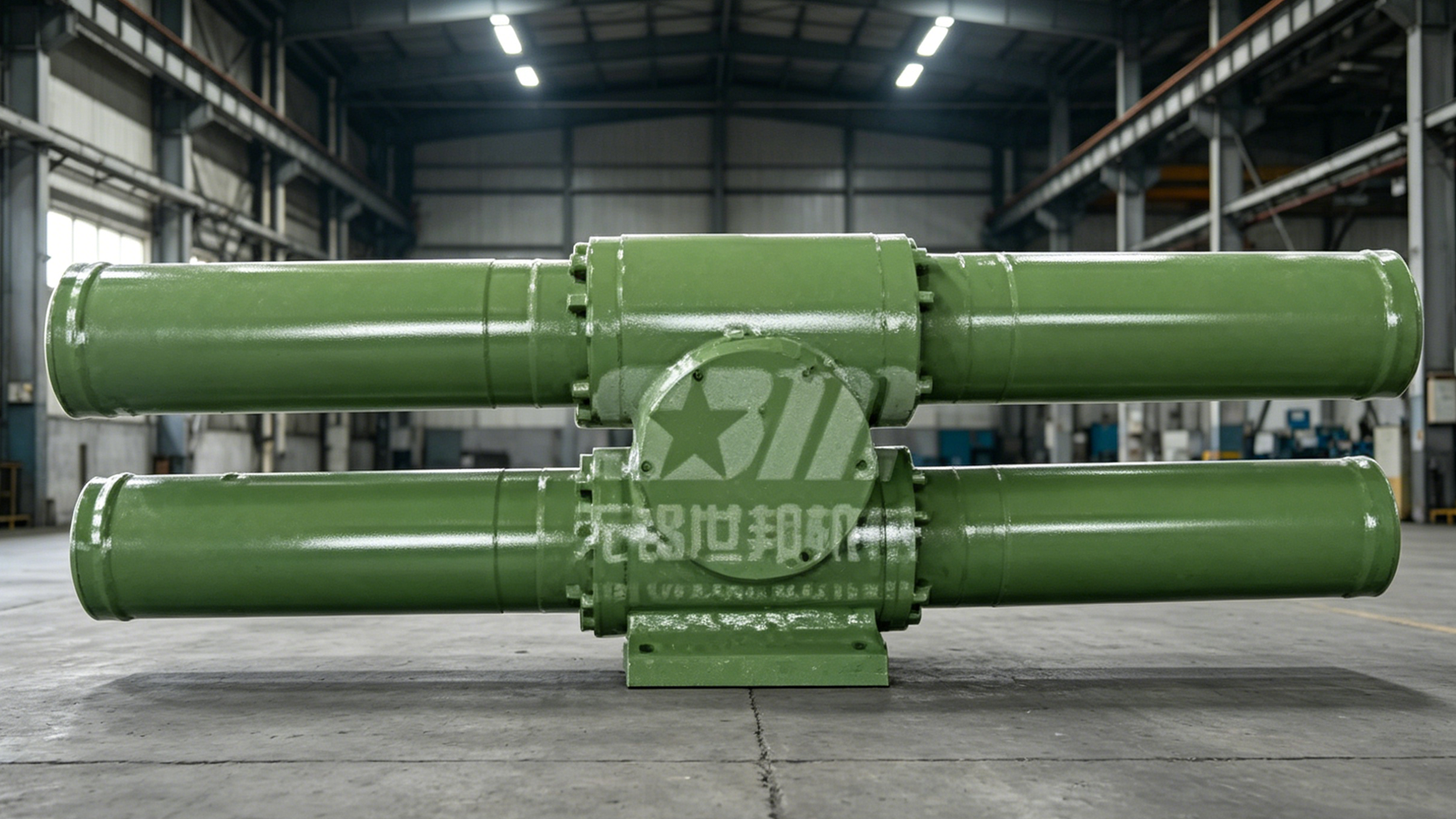
Structure and Parts of a Hydraulic Cylinder
To withstand extreme internal pressures, parts of a hydraulic cylinder are constructed from heavy-duty forged steel, precision-honed steel tubing, and high-tensile chrome rods.
Key hydraulic cylinder components include:
-
Cylinder Barrel: The seamless steel tube that holds internal pressure and houses the moving parts.
-
Hydraulic Cylinder Piston: The internal disc that splits the cylinder chamber and transfers liquid force to the piston rod.
-
Piston Rod: The polished chrome-plated steel rod that extends and retracts to move the external load.
-
Gland / Rod Cap: The end sealing unit that contains high-pressure shaft seals and wiper rings to prevent oil leaks.
-
Seals and Bearings: Wear-resistant polymer or polyurethane seals designed to hold thousands of PSI without fluid bypass.
Pneumatic cylinders share similar structural layouts, but their components are typically manufactured from lighter materials like aluminum, plastic, or stainless steel due to lower working pressure requirements.
Single Acting vs. Double Acting Configurations
Both hydraulic and pneumatic actuators come in two main action types:
Single Acting Cylinders
A single acting hydraulic cylinder (or hydraulic single acting cylinder) applies hydraulic pressure in only one direction. The fluid pushes the hydraulic cylinder piston outward to extend the rod. Once pressure releases, an internal return spring or gravity pushes the rod back to its starting point. These units are cost-effective and ideal for simple lifting mechanisms like dump trucks and hydraulic jacks.
Double Acting Cylinders
A double acting hydraulic cylinder features ports at both ends of the barrel. Fluid enters one port to push the rod forward and enters the opposite port to pull it back. As a result, double acting designs deliver controlled power during both extension and retraction strokes. They are widely used in excavators, industrial presses, and steering systems where precise two-way force control is necessary.
Side-by-Side Comparison Matrix
| Feature | Hydraulic Cylinder | Pneumatic Cylinder |
| Power Medium | Incompressible Hydraulic Oil | Compressible Compressed Air |
| Operating Pressure | 1,000 PSI – 10,000+ PSI | 80 PSI – 150 PSI |
| Force Capacity | Extremely High (Tons) | Low to Medium (Pounds) |
| Motion Control | Smooth, precise speed & positioning | Fast response, higher bounce |
| Maintenance | Oil leakage checks & filter changes | Air line lubrication & seal checks |
| Operating Cost | Higher power consumption | Lower power cost, requires compressor |
How to Choose the Right Actuator for Your Application
When selecting between hydraulic and pneumatic motion control systems, consider these three core factors:
-
Load Weight: If your application requires lifting or holding several tons of load, heavy-duty hydraulic cylinders are essential.
-
Speed & Cycle Rate: If your machine requires thousands of rapid strokes per hour under light loads, pneumatic cylinders offer faster cycle times and lower overall wear.
-
Environmental Cleanliness: Pneumatic systems avoid liquid oil leaks, making them suitable for food processing, cleanrooms, and medical device manufacturing.
Sourcing Heavy-Duty Hydraulic Components
When upgrading machinery or designing custom fluid power equipment, sourcing high-precision components is essential for reliable operation. Manufacturers like Shellppon Hydraulic offer a broad range of standard and custom hydraulic cylinders for sale, engineered to handle demanding industrial pressure ratings and rigorous duty cycles. Selecting high-grade hydraulic actuators reduces unexpected downtime and extends the working service life of your machinery.


