Hydraulic Cylinder Maintenance Checklist
News Details
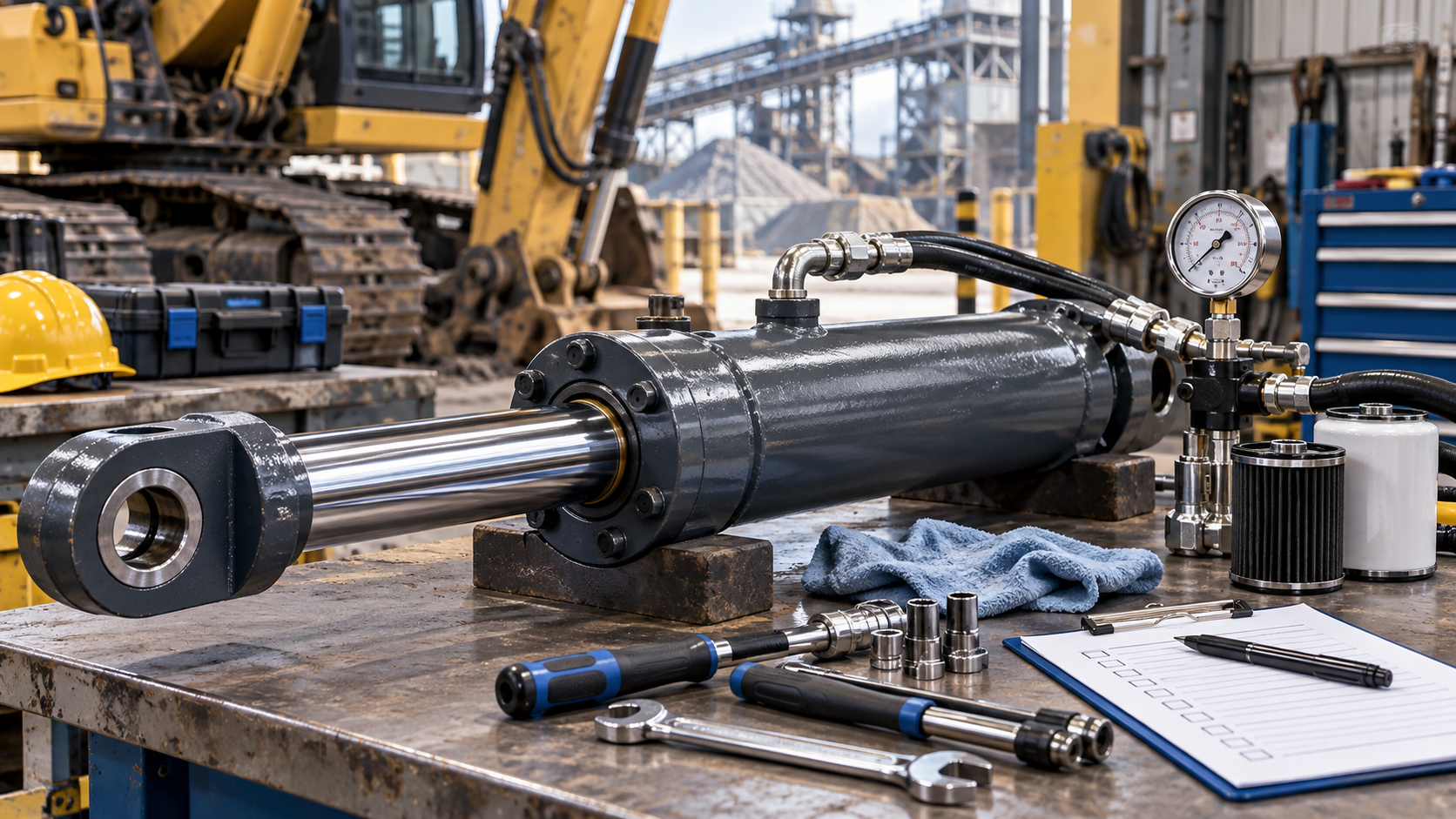
Hydraulic cylinders in harsh industrial sites may face high pressure, heavy loads, dust, heat, moisture, and impact. Over time, these conditions can contribute to leaks, wear, unstable movement, and unplanned downtime.
A clear hydraulic cylinder preventive maintenance checklist helps your team spot warning signs early. Combined with the equipment manufacturer’s instructions, regular checks can reduce repair costs and support safe, reliable operation.
Why Preventive Maintenance Matters
Hydraulic cylinders are widely used in mining, metallurgy, construction, material handling, and industrial machinery. In these applications, dirt, vibration, corrosion, and repeated loading can affect cylinders and their connections.
Preventive maintenance helps you:
-
Find leaks and wear before damage spreads
-
Reduce unexpected shutdowns
-
Extend component service life
-
Maintain reliable movement and load control
-
Identify problems elsewhere in the hydraulic system
However, maintenance alone cannot correct an unsuitable cylinder design or an overloaded machine. Repeated failures require a review of both the cylinder and its operating conditions.
Safety Before Inspection or Maintenance
Separate operating observations from hands-on work. Watch cylinder movement only from a safe position, with guards in place and people clear of moving parts.
Before cleaning, adjusting, disconnecting, or dismantling components:
-
Follow the equipment’s shutdown and lockout/tagout procedure.
-
Lower loads to a safe position or secure them with approved mechanical supports.
-
Isolate energy sources and release stored hydraulic pressure, including accumulator pressure, as specified by the manufacturer.
-
Verify that the equipment is safe to work on. Switching off the pump does not always remove trapped pressure.
-
Allow hot components to cool before handling them.
Never use your hands to search for a hydraulic leak. High-pressure fluid can penetrate the skin. Use the manufacturer’s approved leak-detection method.
Pressure measurements and load-holding tests should be performed by qualified personnel using suitable equipment and a controlled test procedure.
Daily Visual Inspection
Start with a visual check before operation. Look for fresh oil around the rod seal, ports, hoses, fittings, and cylinder joints. Where applicable, inspect weld areas for signs of leakage or cracking.
Check the exposed piston rod for rust, scratches, dents, and coating damage. Also look for dirt around the wiper.
From a safe position, observe the cylinder during a normal operating cycle. Note jerky movement, unusual noise, vibration, reduced force, or changes in speed.
Record abnormalities and follow the site’s response procedure. Stop operation if you find a suspected structural crack, uncontrolled movement, or a damaged pressure line.
Check the Piston Rod Surface
A damaged rod surface can wear or cut the rod seal as the cylinder moves. This may lead to leakage and further damage.
Inspect for:
-
Scratches or grooves
-
Corrosion or pitting
-
Peeling or flaking surface coatings
-
Impact dents
-
Signs of bending or abnormal contact
-
Dirt build-up near the wiper
Do not assume that a scratch can safely be polished out. Repair must preserve the rod’s size, surface finish, and coating requirements.
Have a qualified repair specialist assess significant damage. Depending on its condition, the rod may need professional repair or replacement without replacing the complete cylinder.
Control Hydraulic Contamination
Solid particles, water, and other contaminants can damage seals, wear internal surfaces, and affect valves. Air ingress and oil degradation can also reduce system performance.
During service, keep tools and connection points clean. Cap disconnected hoses and ports with clean, suitable plugs. Use the specified hydraulic fluid and maintain the required cleanliness level.
Watch for changes such as:
-
Cloudy or unusually dark oil
-
Persistent foaming
-
An unusual or burnt smell
-
Visible debris in filters
-
Changes in cylinder response
These signs do not confirm a single cause. For example, cloudiness may indicate water or entrained air, while slow movement may result from flow restrictions, leakage, or valve problems.
Use oil analysis and system checks to confirm the cause. Depending on the findings, corrective work may include filtration, water removal, fluid replacement, or system flushing. Also remove the source of contamination to prevent recurrence.
Inspect Seals and Wipers
Cylinder seals perform different functions. Rod seals help prevent external leakage, while piston seals limit leakage between chambers. Wipers help remove dirt from the rod as it retracts.
Check accessible seal and wiper areas for leakage, cracks, displacement, or missing material. Internal seal condition usually requires approved diagnostic tests or disassembly.
Replace damaged seals according to the manufacturer’s procedure. Select replacements that match the fluid, temperature, pressure, and cylinder design.
If leakage returns, investigate rod damage, worn guides, contamination, alignment, and operating conditions instead of repeatedly replacing seals.
Check Mounting Points and Alignment
Misalignment and unintended side loads can increase wear on rods, guides, and seals. They can also contribute to binding or structural damage.
Inspect pins, bushings, clevises, brackets, bearings, and mounting bolts. Look for wear, looseness, cracks, and abnormal contact marks.
Check alignment throughout the stroke. Pivot-mounted cylinders may need to change angle during operation, so their mounting joints must move freely within the intended range.
Follow the manufacturer’s lubrication requirements and tightening torques. Do not tighten mounting hardware by guesswork.
Monitor Pressure, Temperature, and Movement
Compare operating readings with the equipment’s specified limits and normal performance under similar loads.
Pressure above the rated limit can damage seals, deform components, and increase the risk of failure. Both steady pressure and pressure spikes matter.
Excessive oil temperature can reduce viscosity, affect lubrication, and accelerate seal and fluid degradation. The acceptable temperature range depends on the fluid, seals, and equipment design.
Monitor:
-
Working pressure and unusual pressure spikes
-
Oil temperature
-
Cylinder speed and smoothness
-
Load and duty-cycle changes
-
Position-holding performance, where required
Low force or slow movement does not automatically mean the cylinder is faulty. Check the pump, valves, flow supply, and hydraulic circuit as well.
Do not increase pressure settings simply to overcome poor performance.
Maintain Hoses, Fittings, and Ports
Inspect hoses for cracks, blisters, exposed reinforcement, crushed sections, and leakage. Check fittings and ports for damage or fresh oil.
Make sure hoses do not rub against sharp edges, stretch during movement, or contact hot surfaces. Check routing, supports, and bend radius against the hose manufacturer’s requirements.
Replace unsafe hose assemblies before returning the machine to service. Never tighten a leaking connection while it is pressurized.
Keep the Cylinder Clean
Mud, dust, and metal chips can collect around the rod and wiper. Regular cleaning helps keep these materials away from the sealing area.
After safely isolating the equipment, use clean, lint-free cloths and cleaning products compatible with the seals and coatings. Avoid abrasive tools and do not direct high-pressure washing at seals or openings.
For severe exposure, consider suitable guards or rod boots. Check that they allow full movement and do not trap debris or interfere with the cylinder.
Weekly Maintenance Checklist
The following schedule is a starting point, not a universal service interval. Adjust it to the manufacturer’s instructions, operating hours, duty cycle, and site conditions. Carry out safety-critical checks more often where required.
-
Review daily inspection findings.
-
Inspect rod surfaces and accessible wipers.
-
Check hoses, fittings, and mounting hardware.
-
Inspect pins and bushings for wear.
-
Clean accessible areas after safe isolation.
-
Lubricate specified mounting points.
-
Review pressure and temperature trends.
-
Check oil level in the machine’s specified position.
-
Check filter indicators according to their instructions.
Monthly Maintenance Checklist
Use the monthly review to assess trends and plan condition-based service:
-
Review leakage, movement, and downtime records.
-
Inspect accessible barrel and mounting areas for damage.
-
Check alignment and signs of side loading.
-
Assess bearing and bushing wear.
-
Review oil analysis results at the specified sampling interval.
-
Review filter service needs.
-
Arrange approved performance tests where needed.
-
Schedule repairs for confirmed defects.
Cylinder drift alone does not prove piston seal failure. Directional valves, load-holding valves, and other circuit components may also contribute. Qualified technicians should identify the source before choosing a repair.
When to Repair or Replace a Hydraulic Cylinder
Base the decision on inspection results, repair feasibility, cost, downtime, and the cause of failure.
Seal replacement may be suitable when the rod, bore, guides, and other parts remain within specification. More extensive damage may require rod replacement, specialist rebuilding, or a complete replacement cylinder.
Suspected cracks, deformation, or damaged mounts require the equipment to be removed from service and assessed. Do not attempt an unapproved structural repair.
For repeated failures, review cylinder sizing, mounting geometry, rod loading, seal selection, surface protection, and the hydraulic circuit. A replacement cylinder may fail again if the underlying cause remains.
Support for Harsh-Site Cylinder Applications
Shellppon Hydraulic supplies hydraulic cylinders and related components for industrial applications.
For custom cylinders, replacement enquiries, or OEM/ODM support, contact Shellppon Hydraulic. Share the operating pressure, load, stroke, mounting dimensions, working environment, and failure history to support a technical review.
Regular inspections, clean fluid, correct alignment, and timely repairs can help reduce avoidable failures. Use this checklist alongside the equipment manufacturer’s maintenance instructions to build a plan suited to your application.


