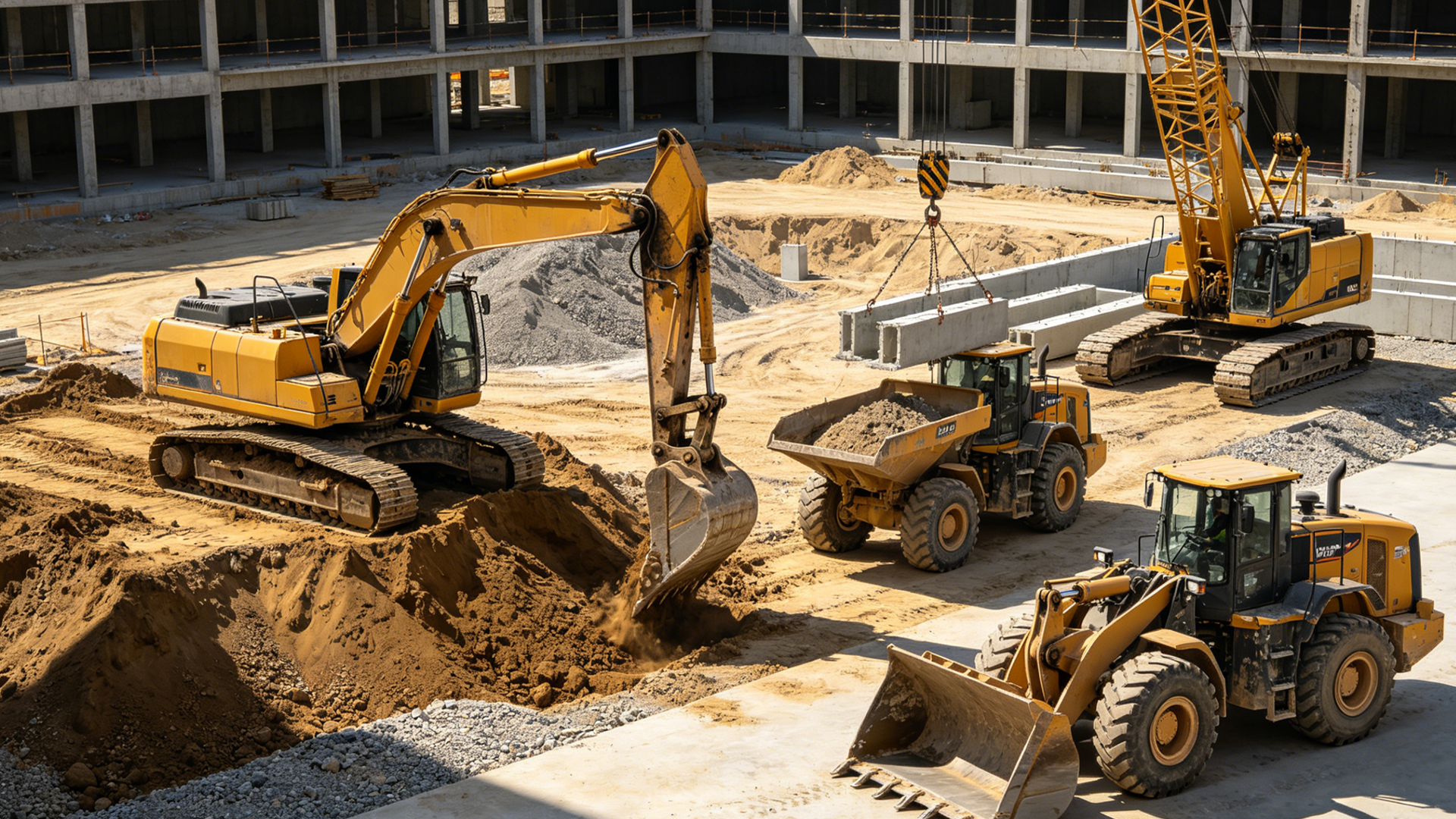
In extreme environments like mining, building demolition, and heavy lifting, a standard hydraulic cylinder often isn't enough. These machines face constant "shock loads"—sudden hits from falling rocks, emergency stops, or the jarring force of a hydraulic breaker. In these moments, the engineering hydraulic cylinder must absorb massive energy without failing.
An oil cylinder's ability to handle impact isn't just about being "strong." Instead, it is a combination of smart design, high-end materials, and precision assembly. In this guide, we will break down the five key factors that determine how well your cylinders survive under pressure.
1. High-Grade Materials and Heat Treatment
The foundation of any engineering hydraulic cylinder is the steel used for the barrel and the piston rod. In heavy-duty work, the metal must be strong enough to hold pressure but "tough" enough to bend slightly without cracking when hit.
To achieve this, manufacturers use high-quality alloy steel. This steel goes through specialized heat treatment processes, such as quenching and tempering. This ensures the cylinder body can withstand sudden loads without permanent deformation or dangerous cracks. At Shellppon, we prioritize raw materials that offer the perfect balance of hardness and flexibility.
2. Advanced Structural Design and Buffering
How a cylinder is built determines how it distributes stress. If the walls are too thin or the cylinder head connection is weak, an impact will cause immediate failure.
A critical feature for impact resistance is the internal buffering device. When the piston moves at high speeds and reaches the end of its stroke, it can create a "hammer effect" if it hits the end cap too hard. A well-designed buffer slows the piston down just before the end, turning a violent collision into a smooth stop. This protects the entire machine frame from fatigue and damage.
3. Reliable Sealing Systems for High Pressure
Under heavy shock loads, the pressure inside an engineering hydraulic cylinder can spike far beyond its normal rating. If the seals are weak or made of the wrong material, these spikes will "blow out" the seals, leading to immediate oil leaks.
Choosing the right seal is a science. For heavy-duty applications, we use multi-stage sealing systems. This often includes a primary seal to hold the pressure and a secondary buffer seal to absorb the initial shock. This setup ensures that even during a massive impact, the oil stays where it belongs.
4. Hydraulic Oil Quality and Cleanliness
Hydraulic oil does more than just transfer power; it also acts as a lubricant and a shock absorber. However, if the oil is dirty, those tiny particles of grit act like sandpaper. Under the high speed of an impact, these particles can quickly scratch the cylinder walls and destroy the seals.
Maintaining high oil cleanliness is vital for the long-term health of your engineering hydraulic cylinder. Regular filtration and oil changes ensure that the "cushioning" effect of the fluid remains effective, preventing internal wear that weakens the cylinder over time.
5. Precision Machining and Assembly
Finally, the quality of the build matters. If the parts don't fit perfectly, there will be tiny gaps. During a shock load, these gaps allow the piston to "wobble," which creates uneven stress and leads to a bent rod or a cracked barrel.
High-precision grinding and honing ensure that the internal surfaces are mirror-smooth. Furthermore, a standardized assembly process reduces "stress concentrations"—spots where the metal is more likely to break. By building every cylinder to strict tolerances, Shellppon ensures that our products can handle the daily vibration of a mine or a construction site.
Shellppon Solutions: Surviving the Mine
At Shellppon, we have spent years solving the problem of cylinder failure in heavy-duty industries. We know that in a B2B environment, a broken cylinder means a stopped project.
Case Study: Mining Excavator Durability
A client in the mining sector was experiencing frequent failures on their excavator arm cylinders. The sudden impact of digging into hard rock was causing the cylinder heads to leak.
The Shellppon Solution: We re-engineered the engineering hydraulic cylinder using a higher-grade alloy and added a custom-designed heavy-duty buffer system. We also upgraded the sealing package to a high-temp, impact-resistant material.
The Results:
- Zero Leakage: The new cylinders handled the shock loads perfectly.
- Extended Life: The service life of the cylinders doubled compared to the previous standard parts.
- Lower Costs: The client saved thousands in emergency repair fees and lost production time.
Why Choose Shellppon for Heavy-Duty Work?
Whether you are in mining, construction, or heavy manufacturing, the reliability of your engineering hydraulic cylinder is your greatest asset. At Shellppon, we offer:
- Custom Engineering: We design cylinders specifically for high-impact scenarios.
- Proven Materials: We use only the highest-grade treated steel for our barrels and rods.
- Expert Testing: Every cylinder is pressure-tested to simulate the extreme shocks of the real world.
Conclusion
The ability of a hydraulic cylinder to resist impact is not a lucky accident. It is the result of careful material selection, smart buffering, and precision manufacturing. By focusing on these five key factors, you can protect your equipment and ensure your operations stay safe and productive.
Visit our website today to find the durable hydraulic solutions your heavy-duty business demands.


