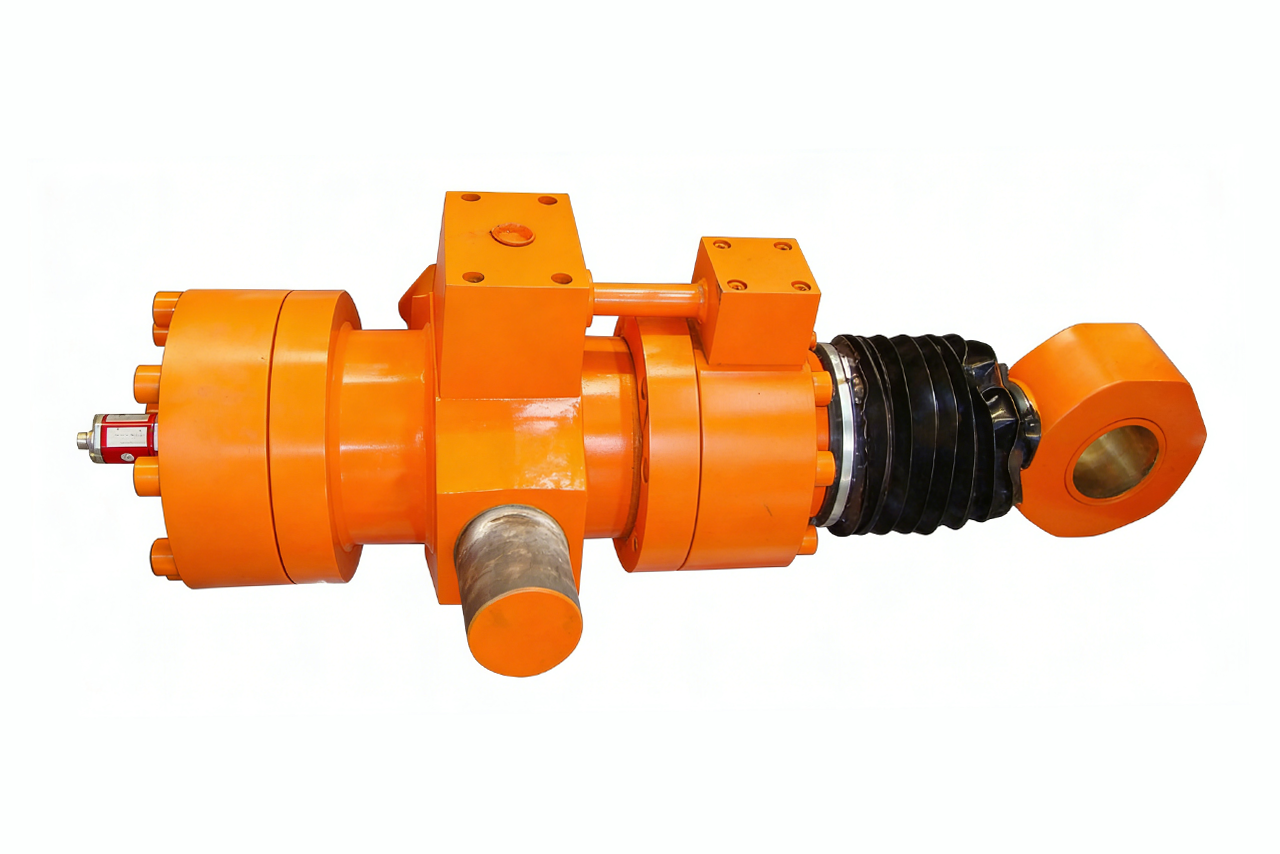
In today’s industrial automation and heavy machinery sectors, hydraulic control systems play a critical role in ensuring precision, stability, and power. From construction equipment to manufacturing lines, these systems are the backbone behind the efficient operation of industrial hydraulic cylinders.
But what exactly is a hydraulic control system—and why does it matter for B2B buyers and engineers?
What Is a Hydraulic Control System?
A hydraulic control system is a closed-loop system that uses hydraulic energy (oil pressure and flow) to control motion, force, and position.
It works by continuously comparing the desired output with the actual performance and automatically adjusting the system to minimize error.
In simple terms:
It ensures hydraulic cylinders move exactly how they are supposed to—accurately and efficiently.
How Hydraulic Control Systems Work
Understanding how hydraulic control systems work helps buyers make better decisions when selecting equipment.
A typical system operates through the following process:
- A command signal is sent from the control unit
- Sensors measure actual system output
- The system compares input vs. output
- Any error is converted into a control signal
- Hydraulic flow or pressure is adjusted
- The actuator (hydraulic cylinder) performs the action
This continuous loop is why it’s called a closed loop hydraulic system.
Key Components of a Hydraulic Control System
To fully understand hydraulic control system components, let’s break them down:
1. Input Element (Control Signal)
Defines system requirements such as speed, position, or force.
2. Feedback System
Uses sensors to monitor real-time performance.
3. Comparison Unit
Generates an error signal by comparing input and output.
4. Control Valve System (Core Component)
Includes:
- Electro hydraulic servo valves
- Proportional control valves
These components regulate flow and pressure with high precision.
5. Actuator (Hydraulic Cylinder)
Converts hydraulic energy into mechanical motion.
This is the key output device in any hydraulic cylinder system.
6. Hydraulic Power Unit (HPU)
Provides the energy required to operate the system.
7. Load (Controlled Object)
The machine or equipment being driven.
Advantages of Hydraulic Control Systems
High Power Density
Hydraulic systems deliver strong force in compact designs—ideal for heavy-duty machinery.
Fast Response and High Efficiency
They react quickly to control signals, improving operational speed.
High Precision Control
A closed loop hydraulic system ensures accurate positioning and repeatability.
Strong Load Resistance
Hydraulic systems maintain stable performance even under fluctuating loads.
Limitations to Consider
While powerful, hydraulic systems also have challenges:
- Sensitive to oil contamination
- Performance affected by temperature changes
- Risk of oil leakage
- Higher manufacturing and maintenance costs
- Less efficient for long-distance energy transmission compared to electric systems
These factors should be considered when selecting a hydraulic system supplier.
Why Hydraulic Control Systems Matter for B2B Buyers
For industrial buyers, choosing the right hydraulic control system directly impacts:
- Equipment performance
- Production efficiency
- Maintenance costs
- System lifespan
A well-designed system ensures your industrial hydraulic cylinders deliver maximum ROI.
Industry Trends: Smarter Hydraulic Systems
With the rise of Industry 4.0, modern electro hydraulic control systems are evolving toward:
- Intelligent monitoring (IoT integration)
- Energy-efficient operation
- Predictive maintenance
- Higher precision with servo technology
This shift is transforming traditional hydraulic systems into smart, data-driven solutions.
So, what is a hydraulic control system?
It is the intelligent core that controls how hydraulic cylinders perform—ensuring precision, stability, and efficiency in industrial applications.
For B2B buyers, understanding this system is not just technical knowledge—it’s a strategic advantage.
The right hydraulic control system means better performance, lower downtime, and stronger competitiveness in today’s market.
Interested in selecting the best system for your operations? Learn more in our next article: How to Choose a Hydraulic Control System.


