Buyer Guide: How to Choose Hydraulic Cylinders for Construction Machinery
News Details
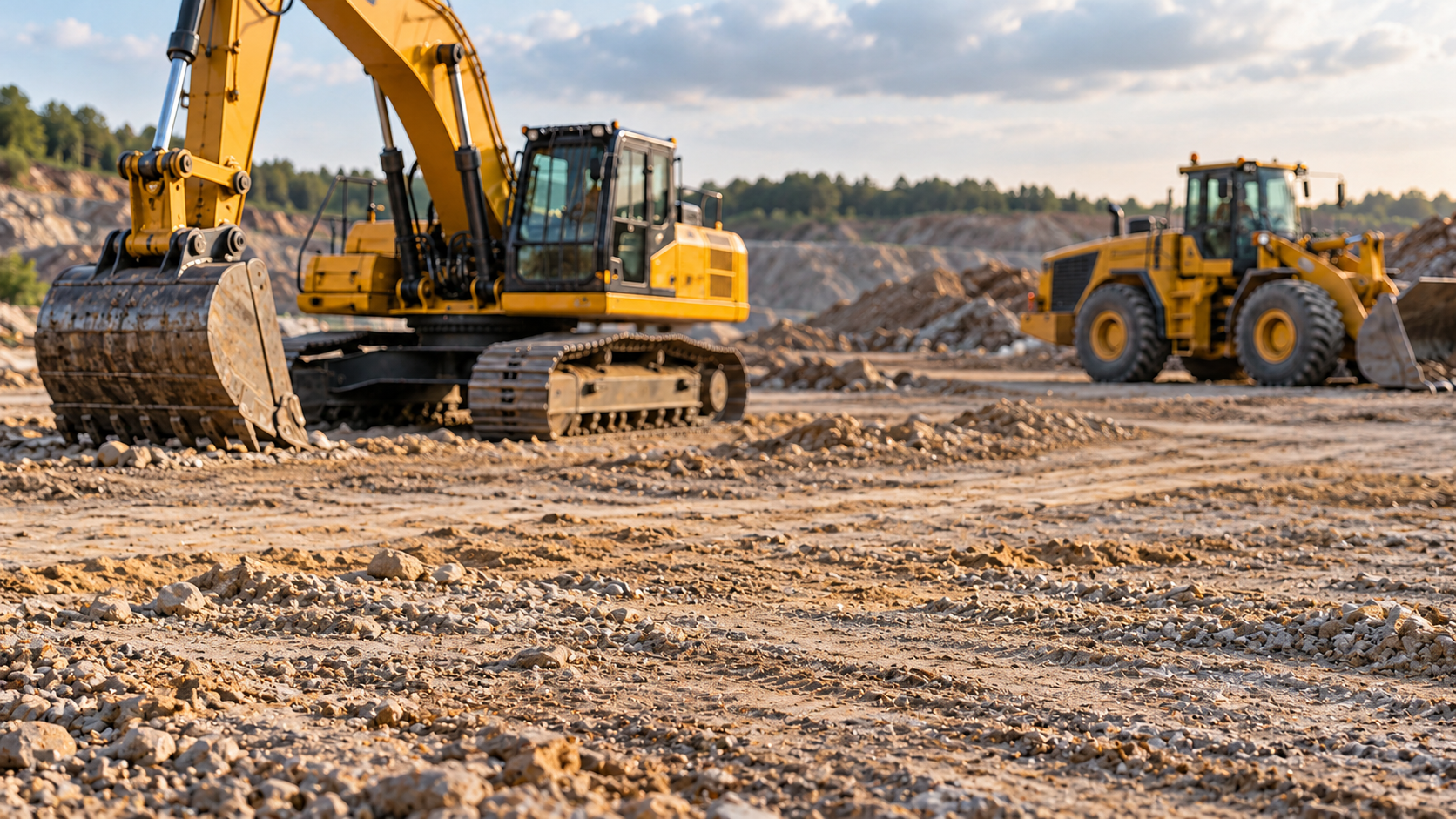
A construction machinery hydraulic cylinder must do more than lift a stated load. It must fit the machine, handle repeated work cycles and perform in dust, mud, rain and changing temperatures.
For equipment makers, distributors and repair businesses, the wrong choice can lead to poor fit, early seal wear and costly downtime. However, a clear specification makes buying easier and helps suppliers quote on the same basis.
This guide explains the main points to check, from working pressure and stroke to mounting design and supplier support.
Start with the Construction Machinery Application
Before choosing a cylinder, define the machine and the movement it must perform. An excavator bucket cylinder faces different loads from a crane outrigger cylinder or a loader steering cylinder.
Use the application to build your first specification.
| Application | Main cylinder functions | Key buying checks |
| Excavators | Boom, arm and bucket movement | Digging loads, pin sizes and impact |
| Wheel loaders | Lifting, tilting and steering | Frequent cycles, shock loads and dust |
| Mobile cranes | Outriggers, boom lifting and extension | Load holding, mounting and available space |
| Drilling rigs | Feed, lifting and positioning | Repeated loads, guidance and contamination |
| Access platforms | Lifting and leveling | Linkage geometry and system load holding |
| Road machinery | Steering and blade adjustment | Alignment, control and outdoor protection |
Next, describe the daily duty cycle. Include operating hours, movement frequency, loaded travel and any sharp changes in force. These details help a hydraulic cylinder manufacturer assess more than the basic dimensions.
Match Cylinder Force to Working Pressure
Cylinder force depends on hydraulic pressure and effective piston area. However, the required cylinder force is not always equal to the weight being moved.
For example, a lifting linkage may need much more force when the cylinder works at a shallow angle. Therefore, the machine’s geometry must be checked throughout the full movement.
Also, distinguish between:
- Normal working pressure: Pressure during routine operation.
- Peak pressure: Short pressure rises caused by impact or sudden stops.
- Test pressure: Pressure used under an agreed inspection procedure.
Do not use test pressure as a continuous operating rating.
Shellppon lists several SB-Y1 mounting configurations with working pressures of 16–25 MPa and customizable bore and stroke. Buyers should confirm the rating for the exact configuration and duty required.
Check Bore, Rod Diameter and Stroke Together
Bore diameter, rod diameter and stroke should be reviewed as one design.
A larger bore can provide more pushing force at the same pressure. However, it also needs more oil for a given stroke and can change the flow needed to reach the target speed.
Rod diameter affects pulling force and resistance to bending. Meanwhile, a long stroke increases the need to check rod stability under compression.
For each construction machinery hydraulic cylinder, confirm:
- Bore and rod diameter.
- Required working stroke.
- Closed and fully extended lengths.
- Maximum pushing and pulling loads.
- Target extension and retraction speeds.
- Space around the cylinder throughout its movement.
Long-stroke applications also need a buckling review based on load, mounting and unsupported length. Force, stroke and installation position are core cylinder selection inputs.
Choose a Mobile Hydraulic Cylinder Mount That Fits the Motion
The mounting arrangement must support the load while allowing the movement the machine needs.
Common options include eye, clevis, trunnion, flange and foot mounts. Pivot mounts allow the cylinder to change angle with a linkage. Fixed mounts suit applications where the cylinder remains aligned with a straight load path.
However, a pivot mount does not remove every source of side load. Poor alignment, worn pins and an unsupported load can still damage the rod, guides and seals.
For replacement orders, check pin diameter, bearing width, mounting centers and alignment. Photographs help, but an approved dimensioned drawing provides a clearer basis for production.
Match Seals and Surface Protection to the Environment
A mobile hydraulic cylinder often works where dirt and water are hard to avoid. As a result, seal selection and rod protection deserve close attention.
Share the following conditions with the supplier:
- Hydraulic fluid type.
- Lowest and highest operating temperatures.
- Dust, mud, moisture or salt exposure.
- Movement speed and cycle frequency.
- Cleaning methods and storage conditions.
The seals must suit the fluid and temperature range. In addition, the wiper should help limit dirt entering as the rod retracts.
For coastal or wet sites, ask about rod coatings, external paint and corrosion test evidence. Compare the test method and acceptance criteria rather than relying only on a “corrosion resistant” label.
Review Load Holding and Control Requirements
Some cylinders must hold a raised load or maintain a set position. Yet this performance depends on the wider hydraulic system, including valves, hoses and controls.
For cranes, lifting platforms and similar equipment, share the hydraulic circuit with the supplier. Confirm valve interfaces, acceptable drift, emergency lowering needs and the machine’s operating requirements.
Likewise, applications needing position feedback require more than a sensor. The sensor range, output signal, controller and installation protection must work together.
A clear system review helps prevent a cylinder from being purchased with expectations it cannot meet alone.
Compare Hydraulic Cylinder Manufacturers on Evidence
Price matters, but a useful supplier comparison also covers design review, production control and after-sales support.
Ask each hydraulic cylinder manufacturer for the same information:
| Review area | Evidence to request |
| Design | Approved drawings and clear operating limits |
| Materials | Agreed grades and traceability records |
| Production | Machining, surface treatment and welding controls where applicable |
| Inspection | Dimensional, functional and leakage test records |
| Delivery | Sample approval process, lead time and packaging details |
| Support | Warranty terms and replacement parts availability |
If you are searching for a hydraulic cylinder manufacturer in China, confirm the actual manufacturing location and who will handle technical questions. Also, agree on how drawing changes will be approved before batch production.
How Shellppon Supports Cylinder Selection
Shellppon Hydraulic presents custom hydraulic cylinder manufacturing, OEM/ODM support and separately available components. Its listed products include several mounting designs, piston rods and rod-end components. These options give buyers a starting point for discussing complete assemblies and spare parts.
For demanding outdoor applications, Shellppon’s port machinery cylinder overview discusses steering, jacking and spreader functions, along with corrosion protection. The purchasing lesson also applies to construction equipment: specify the individual movement and environment before selecting the cylinder.Prepare a Complete Hydraulic Cylinder Quote Request
A detailed inquiry reduces follow-up questions and makes quotations easier to compare.
Before requesting a price, prepare:
- Machine type, model and cylinder function.
- Drawing, part number or measured installation dimensions.
- Bore, rod diameter, stroke and closed length.
- Working pressure, peak pressure and load details.
- Mounting, oil port and thread specifications.
- Fluid, temperature range and site conditions.
- Sample quantity, batch quantity and delivery destination.
- Required inspection documents and spare parts.
For a replacement, include clear photos of both mounts, ports and identification marks. For a new design, provide the load path and movement details for engineering review.
Contact Shellppon Hydraulic with your drawings and application requirements to discuss a construction machinery hydraulic cylinder suited to your equipment and purchasing plan.


